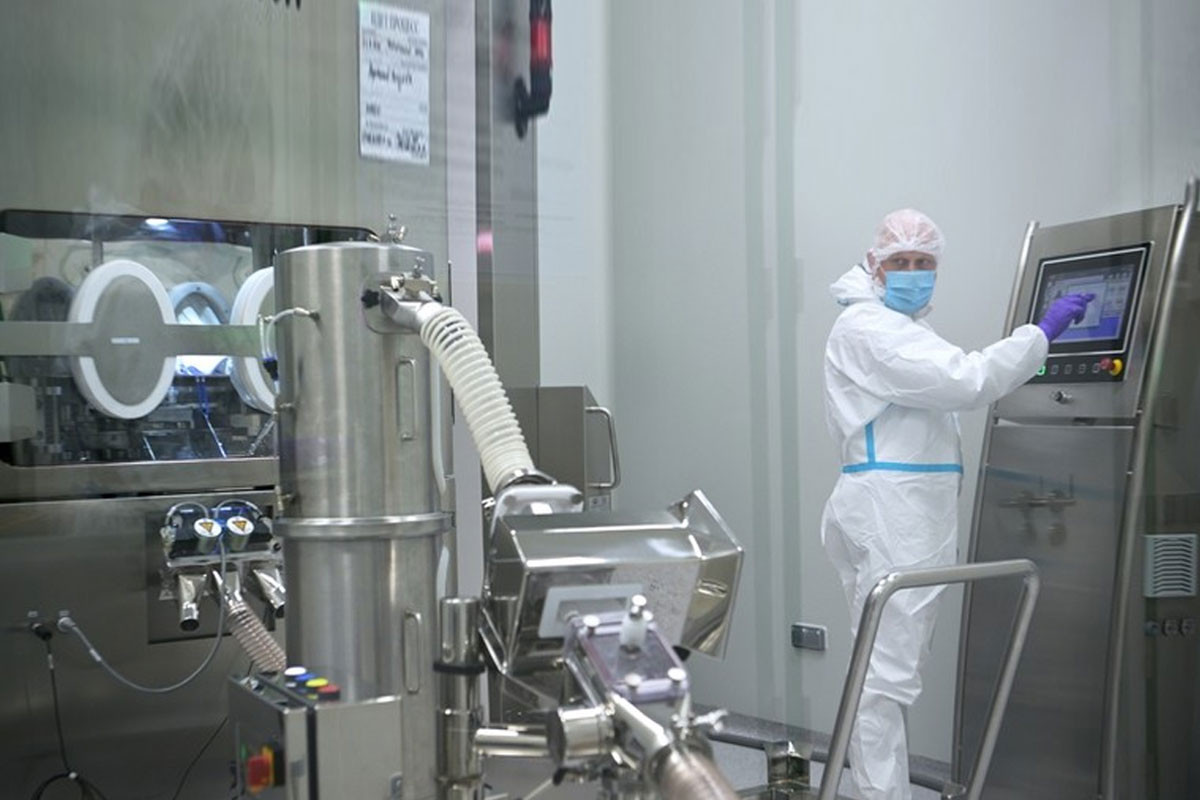
Russia is set to begin trials for its first personalized cancer vaccine in the coming months, a groundbreaking treatment designed to target melanoma. Developed by the Gamaleya Research Institute, the mRNA-based vaccine aims to harness artificial intelligence (AI) to create a personalized treatment for each patient, reports RT.
Alexander Gintsburg, director of the Gamaleya Institute, confirmed the upcoming trials during an interview with RIA Novosti, revealing that the first patient treatments would be carried out in collaboration with Moscow's Hertsen Research Institute and Blokhin Cancer Center. The vaccine works by analyzing a patient's unique tumor data and crafting a tailored vaccine to help their immune system identify and destroy cancer cells.
This innovative approach marks a significant departure from traditional cancer treatments, with the vaccine being individualized for each patient, using their specific tumor data. The entire process—from analyzing the tumor to creating the vaccine—is expected to take about a week, aided by AI.
The vaccine has already shown positive results in animal studies and initial human trials. Initially, it will focus on treating melanoma patients, a particularly aggressive form of skin cancer. However, the Gamaleya Institute is also working on extending the vaccine's application to other cancers, including pancreatic, kidney, and non-small-cell lung cancer.
In line with Russia’s commitment to advancing healthcare, the government has introduced a unique regulatory framework for this type of personalized medicine, allowing faster approval while ensuring safety standards. Gintsburg stressed that this process is unlike standard drug registration, which further demonstrates the novel nature of this treatment.
Russia's Health Ministry has reported approximately 4 million cancer patients in the country, with 625,000 new diagnoses each year. If successful, this personalized cancer vaccine could become a game-changer in Russia's fight against cancer, offering new hope for patients who currently have limited treatment options.
The project has attracted international attention, with foreign medical institutions reaching out to collaborate. The success of these trials could not only benefit Russia but also pave the way for new cancer therapies worldwide.
Bd-pratidin English/ Jisan