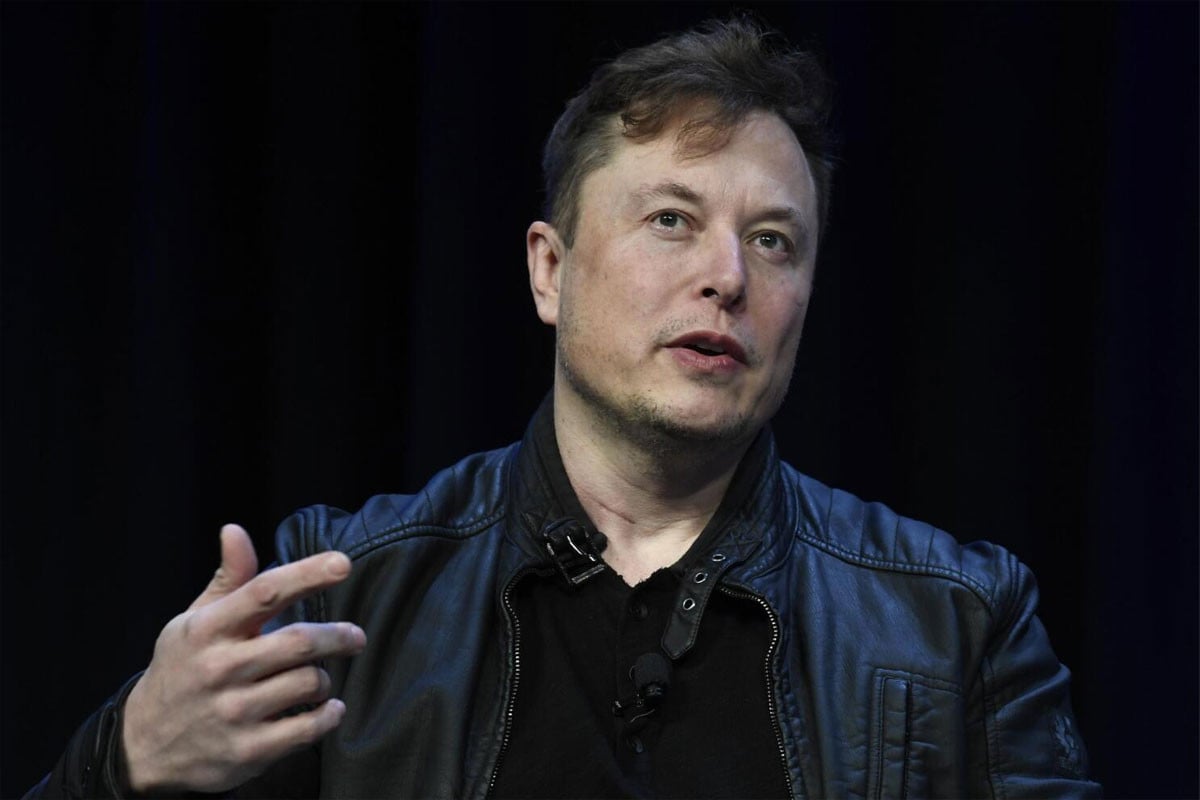
Far-right politicians, activists, and influencers across Europe are increasingly leveraging a powerful new megaphone: engagement with Elon Musk on X, the platform formerly known as Twitter, reports AP.
Since Musk’s $44 billion acquisition of the platform, his replies, reposts, and mentions have proven to be potent tools for boosting visibility and legitimacy. According to an Associated Press data analysis of over 20,000 interactions involving Musk and 11 far-right European figures, his online engagement routinely triggers surges in followers, reach, and political momentum.
In Germany, a politician from a party classified as extremist by the country’s domestic intelligence service grew her audience from 230,000 to more than 2 million—coinciding with Musk responding to her posts, just days before her party’s record electoral performance. In the UK, far-right activist Tommy Robinson, once banned from Twitter and jailed for contempt of court, regained access under Musk and amassed nearly a million followers by repeatedly engaging with him online.
Even relatively obscure figures have experienced explosive growth. Cypriot influencer Fidias Panayiotou, whose aspiration to hug Musk went viral, saw his audience skyrocket to nearly 10 million views after multiple online exchanges. He later won a surprise seat in the European Parliament, frequently praising Musk and defending X in EU policy debates.
While Musk has distanced himself from Washington politics and former President Donald Trump, his digital influence across Europe remains vast—and largely unchecked. The AP analysis shows that accounts Musk engages with receive, on average, 2–4 times more views than usual. In some cases, visibility spiked by 30 to 40 times. Most of the examined far-right figures experienced triple-digit percentage growth in followers after receiving Musk’s attention.
Some of those individuals carry controversial legal and political histories. A UK activist was jailed for violating a court order involving a Syrian refugee. A German politician used a Nazi slogan in a public speech. Italy’s Deputy Prime Minister Matteo Salvini faced trial for detaining migrants on a rescue ship—he was later acquitted.
Others, such as German climate skeptic Naomi Seibt and Dutch commentator Eva Vlaardingerbroek, used persistent engagement strategies—Seibt messaged Musk nearly 600 times—to eventually draw a response. After Musk engaged, her followers surged by over 320,000. She has since relocated to Washington, D.C., citing fear of political persecution in Germany.
Musk’s engagement is not limited to amplification. His public endorsements, including those of Salvini and UK populist Nigel Farage, correlate with measurable spikes in traffic and visibility. In Spain, anti-migration columnist Rubén Pulido tripled his average view count following a single reply from Musk. Without such attention, his numbers later dwindled.
While fringe voices have benefited most from Musk’s reach, established leaders like Italy’s Prime Minister Giorgia Meloni or Dutch politician Geert Wilders saw smaller gains, possibly due to their already high profiles.
The Economic Angle
Musk’s platform has also enabled monetization for many of these figures. With X offering revenue sharing for high engagement, individuals like Robinson link their profiles to donation pages, fundraising campaigns, or subscription content. Far-right accounts like Radio Genoa—accused of hate speech by watchdog groups—have used Musk’s platform to grow audiences and solicit funds.
A Challenge to Electoral Integrity?
EU regulators have taken notice. Investigations are underway into X’s algorithm, its moderation policies, and its possible role in spreading political disinformation. The concern, officials say, isn’t just about content—it’s about reach, timing, and the influence of a single powerful user.
“Elon Musk has more reach than any political figure on the planet,” said digital media researcher Timothy Graham. “When he engages with someone, it’s not a casual interaction—it’s a form of endorsement that can tilt narratives, and potentially, election outcomes.”
With over 220 million followers, Musk outpaces public figures like Donald Trump, Taylor Swift, and Indian Prime Minister Narendra Modi in digital influence. Critics argue this gives him disproportionate sway over the global public sphere, while supporters defend it as an extension of free speech.
“There’s a clear sense you’re entering Musk’s kingdom when you log onto X,” Graham said.
From Online Buzz to Political Power
Fidias Panayiotou, the Cypriot YouTuber turned politician, may be the clearest example of Musk’s real-world political impact. After their viral hug and continued online exchanges, Musk publicly endorsed him to more than 11 million viewers, praising his energy and authenticity. Panayiotou won a seat in the European Parliament shortly afterward.
Although the two have not maintained personal contact, the political value of Musk’s boost was undeniable.
Despite mounting criticism from European leaders—including those of France, Germany, and Norway—Musk continues to amplify nationalist and anti-migration voices, reshaping political conversations both online and off.
As elections loom across Europe, experts warn that the true power of Musk’s digital megaphone may still be unfolding.
Bd-pratidin English/ Jisan