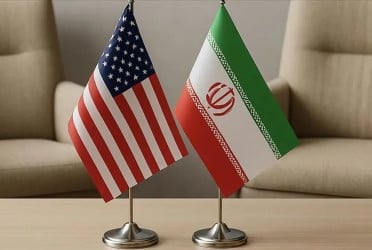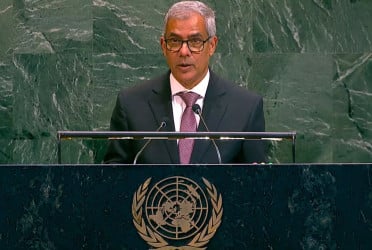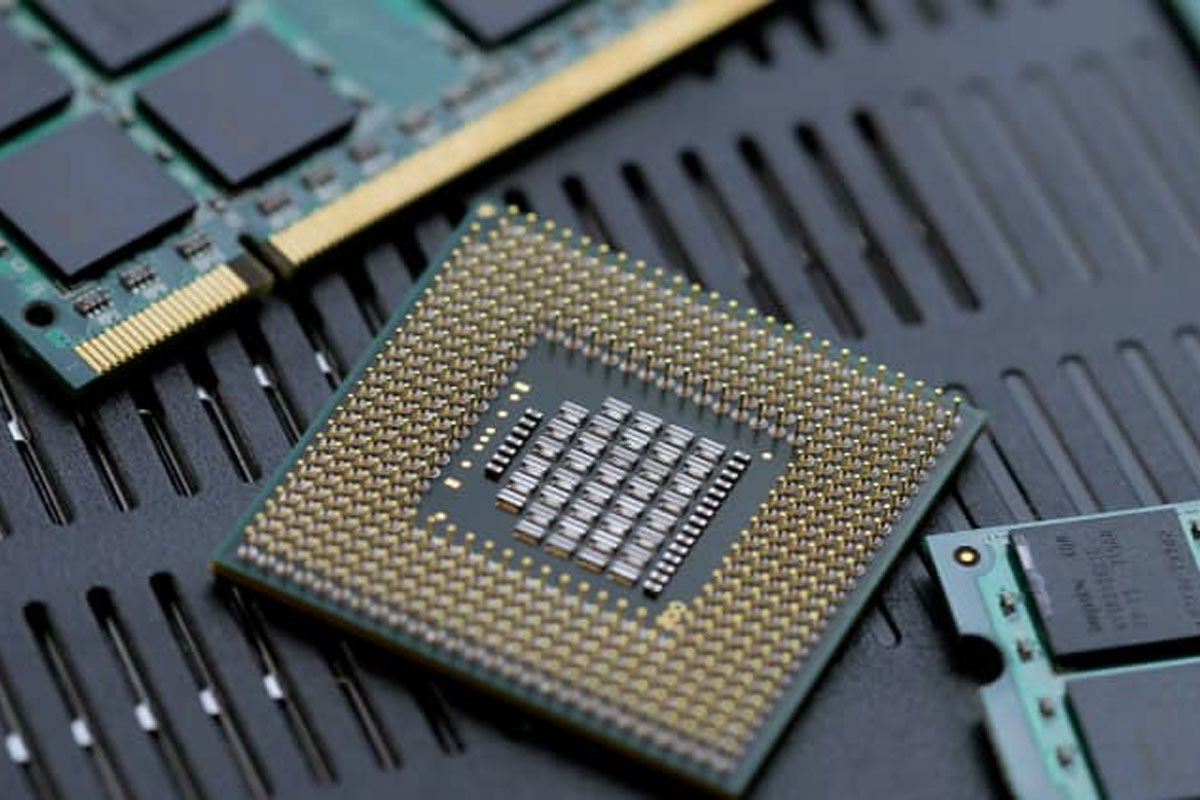
Japan’s $550 billion investment package, part of a new U.S. tariff agreement, could help finance Taiwanese semiconductor companies building plants in the United States, according to Japan’s top trade negotiator, Ryosei Akazawa, reports Reuters.
The investment initiative, which includes equity, loans, and guarantees, was agreed upon this week in exchange for the U.S. reducing tariffs on Japanese exports. The precise structure of the scheme remains unclear, but Akazawa highlighted the broader aim of strengthening supply chains critical to economic security.
Akazawa noted that Japan, the U.S., and other allied countries are collaborating to build secure supply chains in essential sectors. Projects eligible for financing under the package are not limited to U.S. or Japanese companies.
“For instance, if a Taiwanese chipmaker builds a plant in the U.S. and uses Japanese components or adapts products to meet Japanese requirements, that’s acceptable,” Akazawa said, without specifying companies.
The U.S. heavily depends on Taiwan’s Taiwan Semiconductor Manufacturing Company (TSMC) for advanced chip production, which has raised concerns about economic security due to the region’s proximity to China. TSMC has already announced plans to invest $100 billion in the U.S., including $65 billion for three new plants in Arizona, one of which is operational.
Japan plans to channel investments through state-backed organizations like the Japan Bank for International Cooperation (JBIC) and Nippon Export and Investment Insurance (NEXI). Recent changes to Japanese law now allow JBIC to finance foreign companies deemed vital to Japan's supply chains, a key element of the investment strategy.
Akazawa indicated that equity investments would account for just 1%-2% of the $550 billion, with the majority of the package coming in the form of loans and guarantees.
Addressing statements from the White House that the U.S. would retain 90% of the profits from the deal, Akazawa clarified that this figure pertains only to returns from equity investments, which represent a small portion of the overall deal. Japan had initially hoped to secure half of the returns, but Akazawa downplayed the significance of this concession. The benefits of avoiding the estimated ¥10 trillion ($67.72 billion) in tariffs would outweigh the losses, he said.
Akazawa also confirmed that Japan intends to deploy the $550 billion in investments during U.S. President Donald Trump’s current term, signaling that the deal will soon begin to impact both countries’ economic interests.
Bd-pratidin English/ Jisan