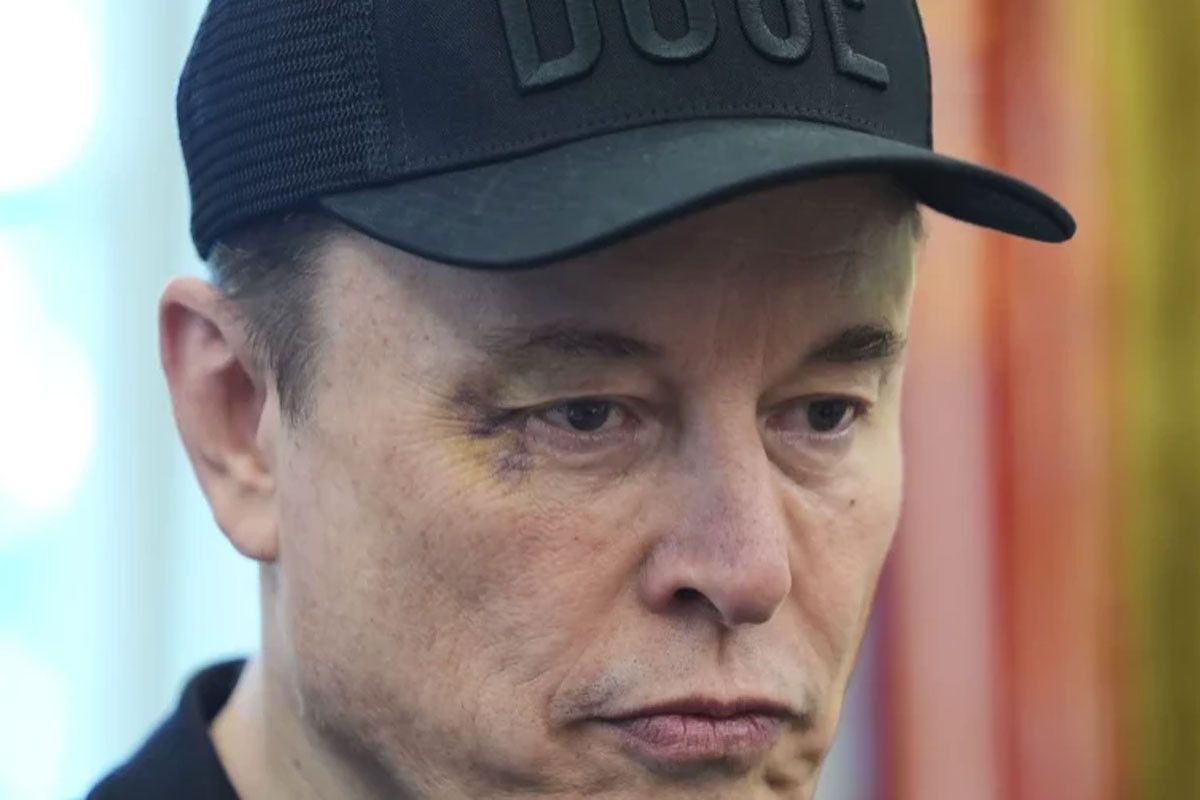
Tensions between U.S. President Donald Trump and billionaire entrepreneur Elon Musk escalated online Thursday as Musk publicly threatened to shut down a spacecraft critical to NASA’s operations. The dispute emerged after Trump floated the idea of ending federal contracts with Musk’s companies—SpaceX and Starlink.
In a post on X (formerly Twitter), Musk announced that SpaceX would “begin decommissioning its Dragon spacecraft immediately,” sparking alarm across the space community. While it's unclear whether Musk will follow through, the threat targets a linchpin of U.S. spaceflight capabilities.
The Dragon capsule, developed with substantial federal funding, is currently NASA’s primary vehicle for transporting astronauts and cargo to and from the International Space Station (ISS). Since 2020, the capsule has enabled the U.S. to regain autonomous access to the ISS after nearly a decade of reliance on Russia’s Soyuz spacecraft.
SpaceX remains the only American company capable of ferrying astronauts to the ISS. Boeing’s Starliner capsule, plagued by repeated delays and safety concerns, has yet to complete a successful crewed mission. A problematic 2023 test forced NASA astronauts to return on a SpaceX flight, and Starliner remains grounded as another trial is considered—potentially without crew.
Beyond NASA missions, the Dragon capsule also supports private endeavors. Axiom Space’s next private mission aboard Dragon is scheduled for next week, and SpaceX’s cargo variant continues regular supply runs to the space station.
If SpaceX were to halt Dragon flights, NASA’s only remaining crew transport option would be Russia’s Soyuz spacecraft. Each Soyuz launch accommodates three astronauts—typically two Russians and one American under a seat-swapping agreement with Roscosmos. This reciprocal arrangement ensures continuous multinational crew presence aboard the ISS.
When SpaceX debuted its first crewed launch in 2020, it ended NASA’s sole reliance on Russia, which had previously charged tens of millions of dollars per seat. A return to full dependence on Soyuz would mark a significant strategic and financial setback.
SpaceX is deeply embedded in NASA’s long-term plans. The company routinely launches scientific missions and military payloads, and it holds a contract to assist with the deorbiting of the ISS at the end of its operational life.
Moreover, SpaceX’s giant Starship rocket is integral to NASA’s Artemis program, selected to land astronauts on the moon in upcoming missions. Despite its most recent test flight ending in failure, the rocket remains NASA’s choice for at least the first two lunar landings.
Musk’s threat to halt Dragon operations adds uncertainty to U.S. spaceflight at a time when international competition is intensifying. While it’s not yet clear whether his statement was a negotiating tactic or a serious operational move, the implications are profound.
NASA has not issued an official response, but insiders suggest the agency is closely monitoring the situation. Should the feud escalate, it could jeopardize not only space station logistics but also key milestones in America’s return to the moon.
Source: UNB
Bd-pratidin English/ Jisan