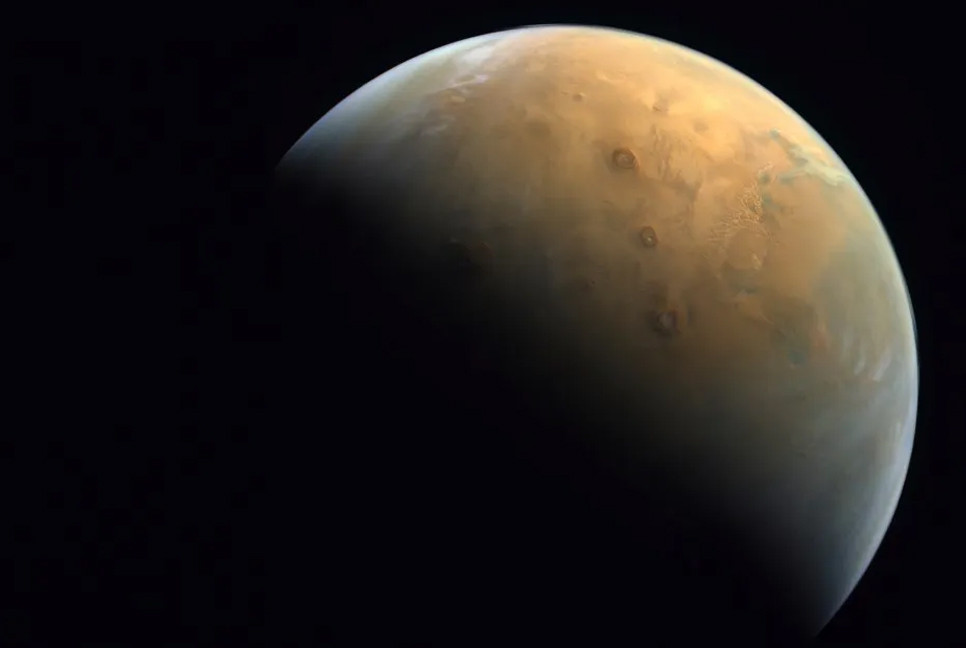
Just two days after the latest in a series of test-flight failures involving his next-generation Mars spacecraft, Starship, Elon Musk announced on Thursday that he expects the vehicle to embark on its first uncrewed mission to the red planet by the end of next year.
He outlined the updated Starship development timeline in a video released by his Los Angeles-based aerospace company, SpaceX, reports Reuters.
Musk acknowledged that his latest timeline for reaching Mars hinged on whether Starship can accomplish a number of challenging technical feats during its flight-test development, particularly a post-launch refueling maneuver in Earth orbit.
The end of 2026 would coincide with a slim window that occurs once every two years when Mars and Earth align around the sun for the closest trip between the two planets, which would take seven to nine months to transit by spacecraft.
Musk gave his company a 50-50 chance of meeting that deadline. If Starship were not ready by that time, SpaceX would wait another two years before trying again, Musk suggested in the video.
The first flight to Mars would carry a simulated crew consisting of one or more robots of the Tesla-built humanoid Optimus design, with the first human crews following in the second or third landings.
Musk said he envisioned eventually launching 1,000 to 2,000 ships to Mars every two years to quickly establish a self-sustaining permanent human settlement.
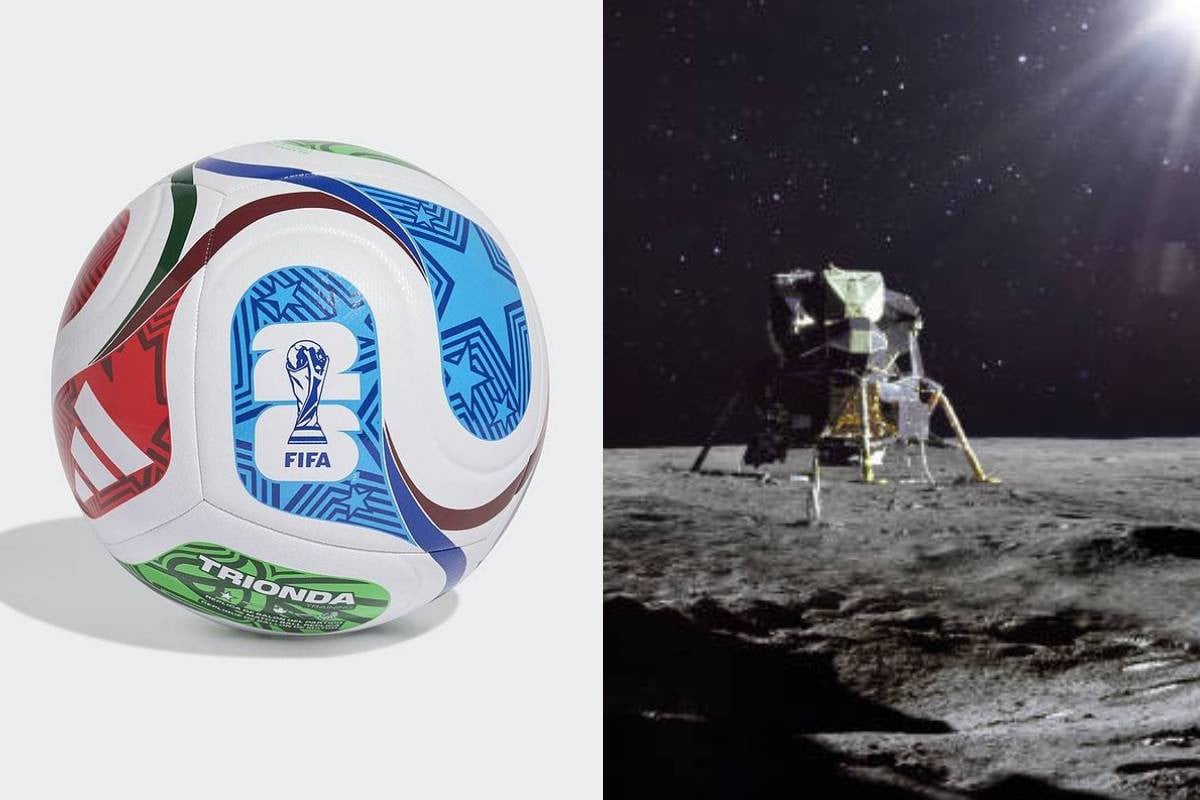
NASA is targeting 2027 for its next crewed lunar mission, planning to land astronauts on the Moon using SpaceX’s Starship. This would mark the first human landing on the lunar surface since the Apollo missions over five decades ago. The mission is seen as a key step toward the broader goal of sending astronauts to Mars in the 2030s.
Musk, who has advocated for a more Mars-focused human spaceflight program, has previously said he was aiming to send an unmanned SpaceX vehicle to the red planet as early as 2018 and was targeting 2024 to launch a first crewed mission there.
Musk shrugged off the latest mishap on Tuesday with a brief post on X, saying it produced a lot of "good data to review" and promising a faster launch "cadence" for the next several test flights.
Bd-pratidin English/ Afia