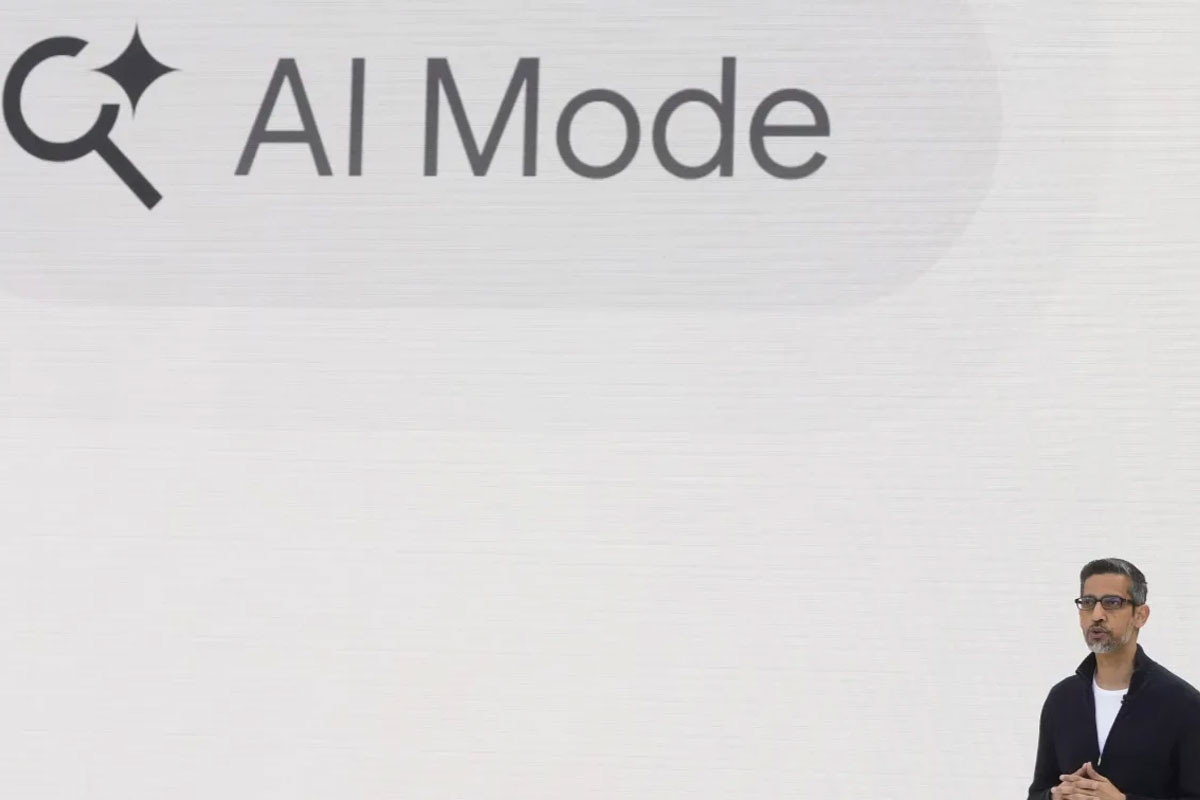
Google returns to federal court today in a climactic battle with the U.S. Department of Justice (DOJ), defending its dominant search engine business against potential remedies that could dramatically alter the tech giant’s future. The legal showdown comes as Google simultaneously navigates a major transformation driven by artificial intelligence, with both fronts threatening to redefine its influence, reports AP.
At the center of the case is a remedy phase following U.S. District Judge Amit Mehta’s 2024 ruling that declared Google’s search engine an illegal monopoly. The DOJ is urging Mehta to impose sweeping structural changes, including a 10-year ban on default search engine deals and a forced divestiture of Google’s Chrome browser—two pillars of its search ecosystem.
Armed with weeks of testimony and documents, the DOJ contends that only bold legal intervention can curb Google’s longstanding advantage. According to prosecutors, default deals—like those with Apple—have locked Google into devices by default, suppressing fair competition. They also argue that Chrome allows Google to control user data and search pathways in a way that entrenches its lead, even as AI alternatives emerge.
Google counters that such remedies are extreme and unnecessary. It argues the rise of generative AI, including competitors like OpenAI and Perplexity, is already reshaping the search market. “What we didn’t hear was how DOJ’s extreme proposals would benefit consumers,” said Lee-Anne Mulholland, Google’s VP of regulatory affairs. The company emphasizes that AI is disrupting traditional search, reducing the need for government intervention.
Still, the DOJ maintains that artificial intelligence won’t be enough to unseat Google’s entrenched power. Executives from both OpenAI and Perplexity testified that they would be interested in acquiring Chrome if the court mandates its sale, a move the DOJ sees as vital to injecting competition into the space.
The case has also drawn in high-profile stakeholders. Apple, which earns over $20 billion annually from Google to keep it as the iPhone’s default search engine, opposes the proposed ban on such agreements. Apple argues it would lose crucial revenue for R&D and that Google might retain dominance regardless, simply because users prefer it.
Outside the corporate titans, legal scholars and former FTC officials have expressed concern that a forced Chrome divestiture or mandatory data-sharing rules could create privacy and security risks, while also amounting to government overreach.
On the flip side, startup advocates including Y Combinator argue that bold action is necessary to dismantle the “kill zone” Google has built around search and advertising, which deters innovation and venture investment. “Google has locked up the most critical distribution channels,” Y Combinator told the court, calling for radical change.
The day-long closing arguments mark the final step before Judge Mehta deliberates this summer. A decision is expected before Labor Day. Google has already pledged to appeal the case—but only after a formal remedy is issued.
As AI continues to upend the landscape, the court’s ruling may not only determine Google’s future but also reshape the architecture of online search in a post-AI world.
Bd-pratidin English/ Jisan