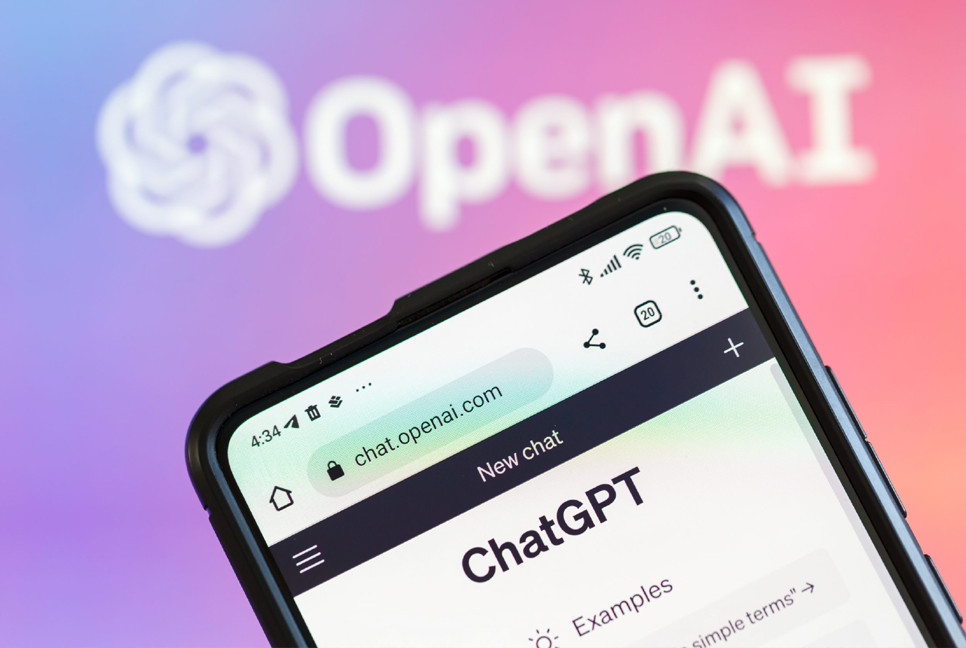
OpenAI is exploring a new identity feature that would allow users to sign in to third-party apps using their ChatGPT accounts, marking the company’s latest move to expand its footprint beyond AI chat tools.
A new webpage published Tuesday reveals that OpenAI is gauging developer interest in integrating this feature into external applications, from startups to platforms with over 100 million users.
The move would place OpenAI in direct competition with established identity services such as Google Sign-In, Apple ID, and Microsoft Account, all of which offer fast and secure authentication across the web.
A “Sign in with ChatGPT” option could create an ecosystem around ChatGPT accounts, a potential gateway to deeper AI integration in consumer apps like online shopping, productivity tools, and social media, reports Hindustan Times.
Given that ChatGPT now sees around 600 million monthly active users, OpenAI is in a strong position to push such a service.
CEO Sam Altman previously hinted at this direction in 2023, suggesting a broader consumer play was on the horizon for 2024. With the company now actively promoting developer previews, the rollout appears imminent.
Earlier this month, OpenAI rolled out a developer preview for “Sign in with ChatGPT” through its open-source Codex CLI tool, a terminal-based AI coding assistant.
The feature allowed developers to connect their ChatGPT Free, Plus, or Pro accounts with their OpenAI API accounts. As an incentive, OpenAI offered API credits to early adopters: $5 for Plus users and $50 for Pro users.
The company has posted a developer interest form, inviting apps across a wide user base, from those with under 1,000 weekly users to over 100 million, to participate. Developers are also asked how they monetise their AI features and whether they currently use OpenAI’s API.
While no official launch date has been confirmed, OpenAI’s push suggests the company is positioning ChatGPT as more than just a chatbot.
By turning ChatGPT into a login identity provider, OpenAI could deepen its integration into everyday digital experiences, potentially locking in users across a much wider range of services.
Whether consumers embrace another identity service remains to be seen, but the effort underscores OpenAI’s ambition to become a central player in the next generation of AI-powered platforms.
Source: Hindustan Times
Bd-pratidin English/ Afia