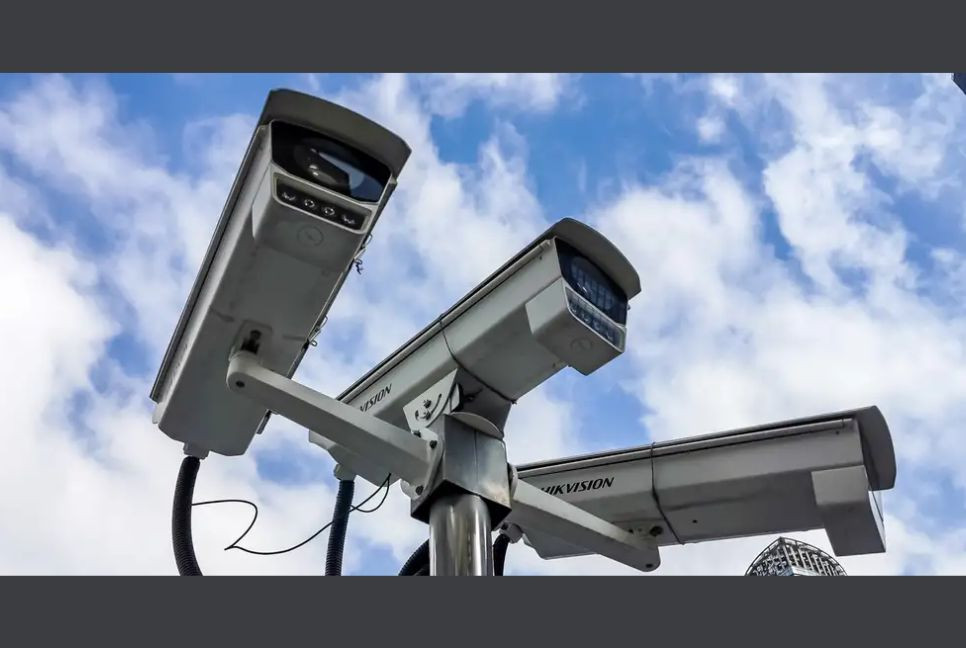
India's aggressive new surveillance equipment rules—requiring all internet-connected CCTV cameras to undergo government lab testing—have triggered pushback from global manufacturers and raised fears of supply disruptions.
Effective from April 9, the policy mandates that companies including China’s Hikvision, Xiaomi and Dahua, South Korea’s Hanwha, and the U.S.-based Motorola Solutions submit cameras for cybersecurity certification. The Indian government, citing national security concerns, has rejected calls from major industry players to delay implementation.
"There's always an espionage risk," said Gulshan Rai, India’s former cybersecurity chief. “Anyone can operate and control internet-connected CCTV cameras sitting in an adverse location.”
A top Indian official told Reuters that the policy stems partly from concerns over China’s surveillance capabilities. In 2021, India disclosed that one million government CCTV cameras were from Chinese firms, with video data potentially transferred abroad.
The government met with 17 camera makers in April, including Honeywell and Bosch. According to official minutes, many firms said they were unprepared for the certification process, which includes hardware, software, and even source code inspections. The government responded that the policy “addresses a genuine security issue” and must be enforced.
"Millions of dollars will be lost from the industry, sending tremors through the market," Hanwha’s South Asia director Ajay Dubey warned in an email to India’s IT ministry.
Indian rules require tamper-proof hardware, encryption, and malware detection. They also allow government inspectors to visit factories abroad and request source code if proprietary protocols are used. Executives from Infinova and Vivotek cited delays due to source code demands and factory audits.
"All ongoing projects will go on halt," Vivotek’s India director Sanjeev Gulati told officials. He later said they hoped for clearance soon.
Despite not naming China directly, internal documents suggest added scrutiny for firms from countries sharing a land border with India. Xiaomi reported that its CCTV devices were stalled over internal guidelines requiring extra information from China-based manufacturers.
China’s foreign ministry urged India to stop “smearing and suppressing Chinese companies” under the guise of national security.
The backlog is substantial. As of May 28, 342 applications were pending, but only 35 had been cleared, just one from a foreign company. Indian brand CP Plus said it had secured approval for some products; Bosch requested business continuity during testing.
Retailers like Sagar Sharma in New Delhi reported a 50 percent drop in CCTV sales in May due to stock uncertainty: “It is not possible right now to cater to big orders.”
Source: Reuters
Bd-pratidin English/FNC