Malaysia has walked back its announcement of a groundbreaking artificial intelligence (AI) infrastructure project powered by Huawei Technologies, revealing the country's complex balancing act in the escalating U.S.-China tech rivalry, reports Bangkok Post.
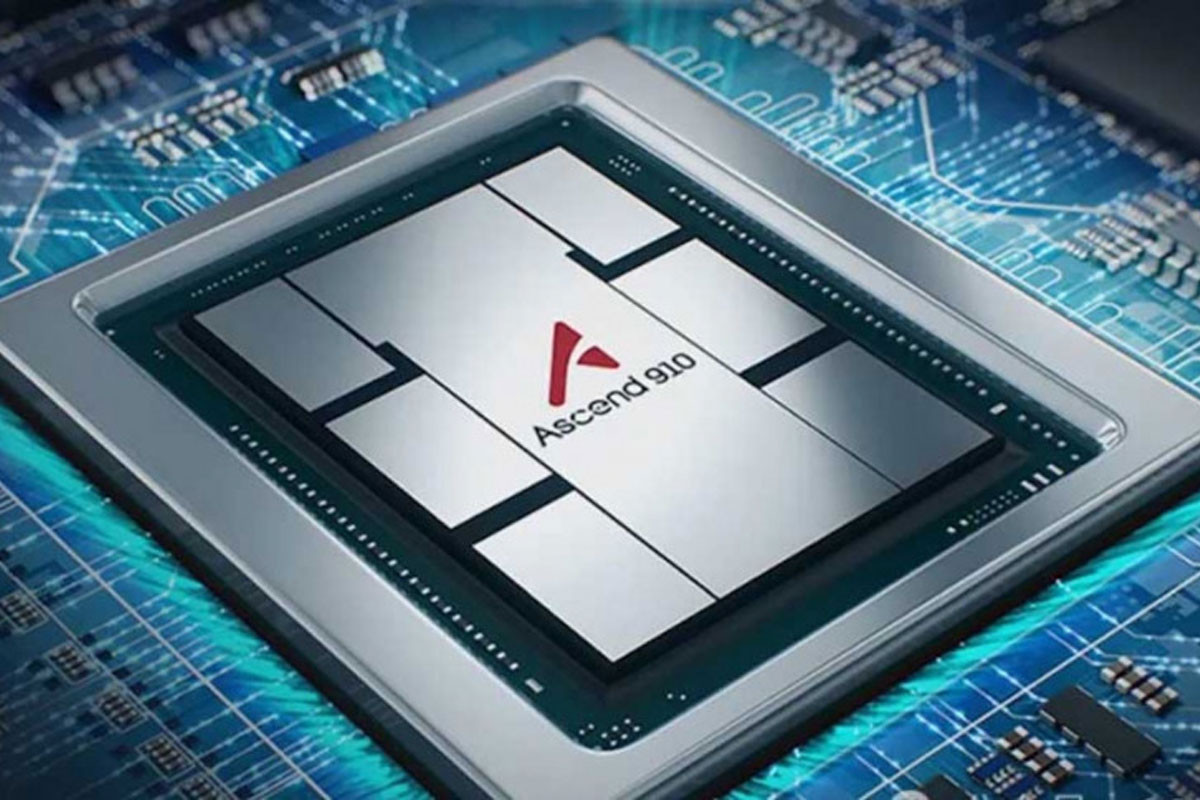
In a speech on Monday, Deputy Communications Minister Teo Nie Ching stated that Malaysia would become the first country to deploy Huawei’s Ascend GPU-powered AI servers on a national scale. Her prepared remarks, reviewed by Bloomberg News, indicated that 3,000 units of Huawei’s AI chips would be operational by 2026. She also mentioned that China’s DeepSeek would contribute one of its AI models to the initiative.
However, within 24 hours, Teo’s office retracted the statement without explanation. Huawei later clarified that it had not sold Ascend chips to Malaysia and that no government purchase had been made. The sudden reversal raised eyebrows in Washington, where officials have grown increasingly wary of Beijing’s efforts to expand its AI footprint abroad.
David Sacks, President Donald Trump’s AI and crypto czar, sounded the alarm on social media, warning that the presence of a “full Chinese stack” was now visible in Southeast Asia. He emphasized that the administration’s rollback of Biden-era global semiconductor restrictions came “just in time” to respond to such developments.
The controversy follows a recent shift in U.S. Commerce Department policy. The department initially warned that use of Huawei’s Ascend chips “anywhere in the world” could violate American export laws. That language was later softened after pushback from Beijing, creating confusion for companies like Malaysia caught in the middle.
Huawei, now seen as China’s leading semiconductor contender, has rapidly expanded beyond mobile phones into electric vehicles and AI. Its Ascend chips, though primarily used domestically, have become a symbol of China's technological resilience amid sanctions. Nvidia CEO Jensen Huang recently acknowledged Huawei as a formidable rival, saying China is “right behind” the U.S. in the AI race.
Trump’s administration, meanwhile, is racing to flood allied regions with U.S.-made AI chips. During a recent trip to the Middle East, Trump announced plans to ship hundreds of thousands—possibly up to a million—high-end GPUs from Nvidia and AMD to the UAE and Saudi Arabia. These agreements are under review and require export licenses.
But the deals have not been without controversy. Critics in Washington worry the Gulf partnerships could inadvertently support Chinese ambitions, given Beijing’s close ties to the region. Others fear that building massive data centers abroad could undermine the U.S.’s own AI leadership.
Malaysia remains a critical piece of the puzzle. U.S. tech giants like Oracle are preparing large-scale data center operations in the country and are seeking clearance to import Nvidia chips at levels previously restricted under Biden’s AI diffusion framework. That policy had capped the proportion of global AI infrastructure U.S. firms could place outside a small group of allied nations.
Trump’s team is now drafting replacement regulations aimed at preventing unauthorized transshipment of U.S. chips to China. Malaysia is expected to be a focus, both due to its strategic location and recent incidents. In one case, Singaporean prosecutors charged three men with concealing the end-user of AI servers potentially containing restricted Nvidia chips. Malaysian authorities are actively investigating the matter.
As the AI race intensifies, Malaysia’s attempt to walk a tightrope between two tech superpowers may become increasingly difficult.
Bd-pratidin English/ Jisan