Microsoft has confirmed that it provided artificial intelligence and cloud services to the Israeli military during the ongoing Gaza conflict but maintains that there is no evidence its technologies were used to directly harm civilians, reports AP.
In a blog post released Thursday, the tech giant publicly acknowledged for the first time its involvement with Israel’s military after the October 7, 2023, Hamas attack, which left about 1,200 Israelis dead and triggered a war in Gaza that has since claimed tens of thousands of lives. Microsoft stated its support focused on helping to locate and rescue hostages and included cloud infrastructure, cybersecurity assistance, and AI-powered translation tools.
The confirmation follows an Associated Press investigation that uncovered Microsoft’s previously undisclosed ties to Israel’s Ministry of Defense. The report highlighted increased use of Microsoft’s Azure platform by the Israeli military post-October 7, particularly in processing surveillance data — potentially linked to AI-driven targeting systems.
Microsoft emphasized that its assistance was limited, selectively approved, and aimed at humanitarian purposes. “We have not found any evidence that our services were used to intentionally harm civilians,” the company stated, adding that its AI Code of Conduct and Acceptable Use Policy were in place to prevent misuse.
Amid employee protests and rising public scrutiny, Microsoft launched an internal review and retained an external firm to assess the situation. However, it has not disclosed the firm’s name, the full findings, or whether Israeli officials were consulted during the investigation. The company also noted its limited ability to monitor how its tools are used once deployed on third-party or military systems.
Microsoft joins other U.S. tech companies — including Amazon, Google, and Palantir — in maintaining contracts with the Israeli defense sector. While these firms tout ethical oversight policies, critics argue such measures are inadequate in war zones with high civilian casualties.
Cindy Cohn of the Electronic Frontier Foundation welcomed Microsoft’s transparency but stressed that key questions remain unanswered. “We still don’t know the full extent of how these technologies were used,” she said.
A group of Microsoft employees and alumni, “No Azure for Apartheid,” accused the company of prioritizing public relations over real accountability. Hossam Nasr, a former employee fired after organizing a vigil for Palestinians, condemned the company's refusal to release the full investigation.
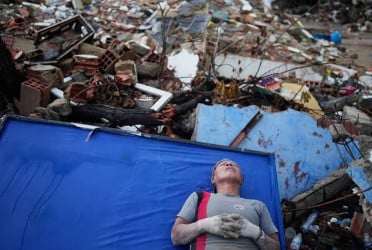
Meanwhile, Israeli rescue raids — such as those in Rafah in February and Nuseirat in June — resulted in both freed hostages and hundreds of Palestinian deaths, underscoring the controversy around AI’s role in military operations.
Experts say Microsoft’s public statement marks a significant moment in corporate responsibility in wartime. Emelia Probasco of Georgetown University noted it is uncommon for a tech firm to assert ethical limitations on military clients in active conflict.
The situation continues to raise difficult questions about the deployment of emerging technologies in warfare and the responsibilities of companies that develop them.
Bd-pratidin English/ Jisan