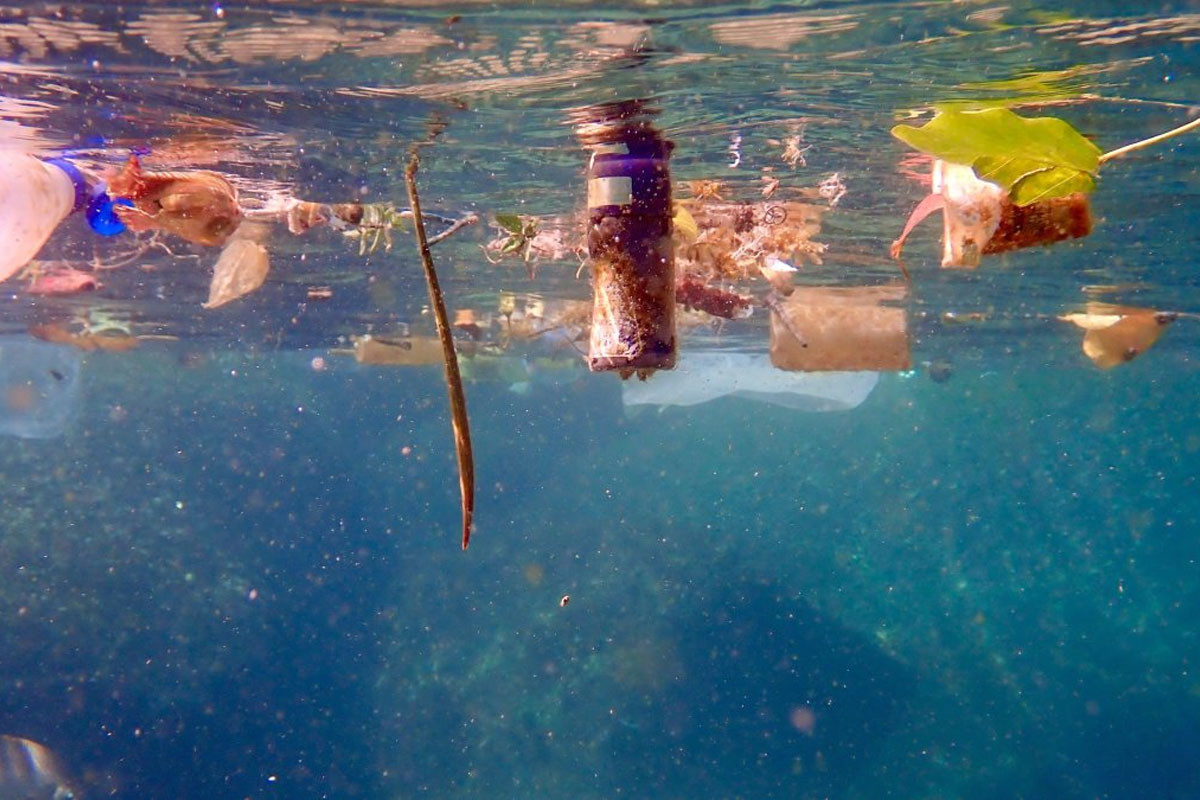
A new scientific study by researchers at Recep Tayyip Erdogan University has exposed significant microplastic pollution across seven freshwater lakes in Turkiye, including ecologically protected areas. The research highlights a growing environmental threat to aquatic ecosystems and water resources.
The study, led by Professor Kenan Gedik, fisheries engineer and director of the university’s Technical Sciences Vocational School, analyzed both surface water and sediment samples from the following lakes: Borcka Dam Lake, Borcka Karagol, and Savsat Karagol in Artvin; Hazar Lake in Elazıg; Kurtun Dam Lake in Gumushane; and Sera Lake and Uzungol in Trabzon.
Borcka Dam Lake recorded the highest microplastic concentration in water at 0.69 particles per liter, while Savsat Karagol had the highest sediment contamination with 344 particles per kilogram. Conversely, Savsat Karagol had the lowest water concentration (0.14 particles per liter), likely due to limited water circulation.
Two main microplastic forms—fragments and fibers—were identified. Fragments made up 82.4% of particles in water, while sediment samples showed a more even split: 51% fibers and 49% fragments. The dominant plastic types were polyethylene, polyester, polyamide, polypropylene, and polystyrene, materials commonly used in packaging, clothing, and fishing gear.
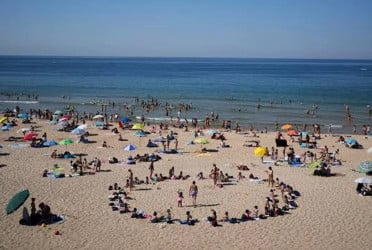
Gedik attributed the contamination largely to human activities such as tourism, fishing, and improper waste disposal. Even protected areas like Savsat Karagol are not immune, as recreational use leads to littering and environmental degradation.
He also warned that microplastics pose a long-term threat by leaching harmful chemicals into the water, endangering biodiversity and natural regeneration. Lakes with higher fishing activity, like Borcka Dam Lake on the Coruh River, showed stronger correlations between human use and pollution levels.
“This study is one of Turkiye’s most comprehensive investigations of microplastics across geographically diverse and protected freshwater bodies,” Gedik said. “It provides crucial data for future environmental policies and public awareness.”
Calling for immediate action, Gedik emphasized the importance of preserving freshwater resources in a country already facing critically low per capita water availability.
“People think we have abundant water,” Gedik noted, “but we don’t. What remains must be protected from pollutants like microplastics. Otherwise, nature’s ability to heal will be lost.”
Bd-pratidin English/ Jisan