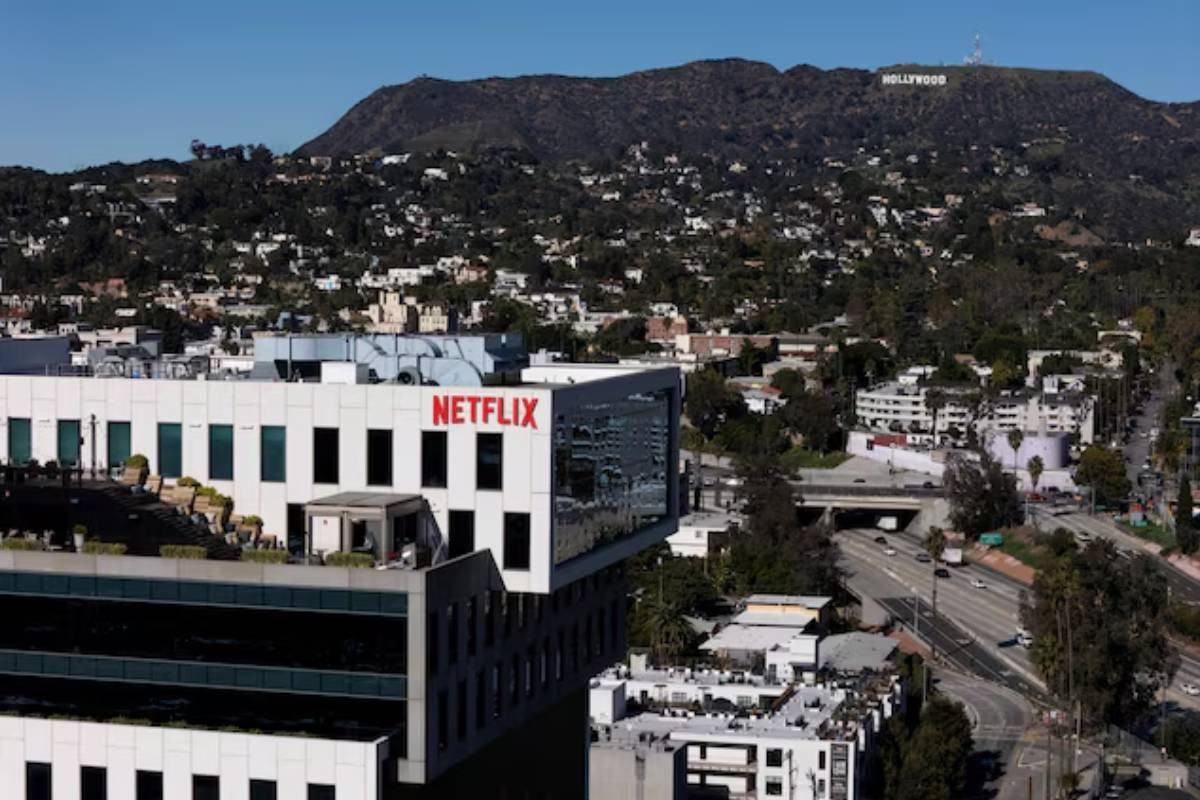
Netflix’s $72 billion plan to acquire Warner Bros Discovery, including its studios and HBO Max, is facing close scrutiny from U.S. and global regulators, with experts questioning the company’s claim that the merger is necessary to compete with YouTube, reports Reuters.
Netflix argues that acquiring Warner Bros is essential to challenge Alphabet’s YouTube, America’s most-watched TV distributor according to Nielsen. The combined entity would reach 428 million subscribers. However, antitrust experts say regulators are unlikely to see Netflix and YouTube as interchangeable competitors due to differences in content, audiences, and business models.
“Netflix is trying to argue it competes with YouTube because people only watch a certain amount of content a day,” said Abiel Garcia, antitrust partner at Kesselman Brantly Stockinger. “That argument ultimately fails.”
Netflix invests billions in scripted originals such as Stranger Things and KPop Demon Hunters, frequently dominating Nielsen’s rankings. Subscribers pay $7.99–$24.99 per month, with advertising revenue still limited but growing.
YouTube, in contrast, is driven by user-generated content, advertising, and viral creators like MrBeast, along with music and children’s programming such as Cocomelon. It has over 450 million subscribers and generates more viewing time than Netflix or traditional TV. In October, YouTube accounted for 12.9% of streaming viewership, compared with Netflix’s projected 9% after merging with HBO Max.
“The DOJ is not likely to see YouTube videos as a substitute for Netflix shows and movies,” said Robin Crauthers, a partner at McCarter & English and former DOJ antitrust attorney. “Netflix will have a difficult time making that argument.”
While companies often cite broad competition to defend mergers, antitrust enforcers focus on specific sub-markets. For example, the FTC blocked Whole Foods’ acquisition of Wild Oats, arguing it reduced competition among “premium natural and organic supermarkets,” and successfully challenged Tapestry’s merger with Capri in the “accessible luxury” market.
Recent reforms to merger clearance require companies like Netflix to submit internal competition analyses sooner, giving regulators a closer look at how the company views its rivals, said Shaoul Sussman, former FTC attorney. If Netflix’s documents do not consider YouTube a major competitor or focus on subscription-based categories that exclude YouTube, it could weaken its argument.
Netflix has also suggested the merger could lower costs for HBO Max subscribers through bundling with Netflix. However, Crauthers said the DOJ is skeptical that mergers’ cost savings reach consumers and will assess whether the deal could allow Netflix to raise prices for non-bundled subscribers.
Bd-pratidin English/ Jisan