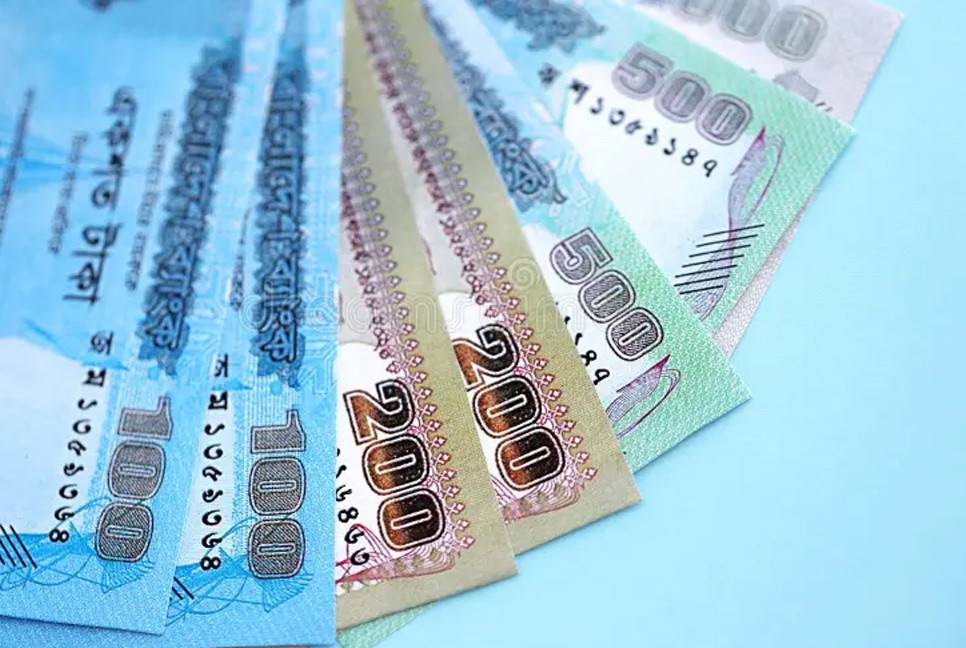
A shortage of newly printed banknotes ahead of Eid-ul-Azha has intensified pressure on the banking sector, forcing commercial banks to receive significantly less cash than required from Bangladesh Bank and pushing interbank call money rates above 11%.
Bankers and Bangladesh Bank officials said several banks have been receiving only 30% to 40% of their cash demand for more than a week, creating stress in liquidity management despite surplus liquidity in the financial system.
The central bank, however, said the situation does not indicate a liquidity crisis. Officials attributed the problem mainly to shortages of paper and ink used for printing new currency notes at the state-owned Security Printing Corporation.
According to banking sector sources, Bangladesh Bank has been supplying much lower amounts of cash than demanded over the past eight to 10 days.
At the same time, the central bank has been encouraging electronic transactions instead of cash-based payments.
Demand for cash usually increases sharply before Eid-ul-Azha due to large-scale cattle market transactions, salary and bonus payments for workers, and increased personal spending by customers. As a result, banks are facing mounting pressure from depositors withdrawing cash, which has also affected the interbank money market.
Call money rate crosses 11%
After remaining relatively stable for a long period, the interbank call money rate surged sharply on Saturday, with overnight borrowing costs crossing 11%.
According to Bangladesh Bank data, overnight interbank borrowing was traded at a maximum rate of 11% and a minimum of 9.75%, while the average rate stood at 9.90%.
Interest rates on other short-term interbank borrowings also increased.
The average rate for 10-day borrowing rose to 10.10%, while 11-day and 12-day borrowing rates climbed to 10.25% each, marking one of the highest levels in recent months.
Interbank market transactions also increased significantly. Overnight call money transactions reached Tk4,560 crore, compared with Tk3,884 crore in the previous week.
Liquidity still in excess
Market insiders said the increase in call money rates is unusual because the banking sector currently has excess liquidity.
Private sector credit growth has slowed sharply to 4.72%, reducing overall loan demand.
At the same time, Bangladesh Bank has injected substantial liquidity into the market by purchasing dollars from commercial banks.
According to central bank data, Bangladesh Bank has bought around US$6.23 billion from banks so far in the current fiscal year.
Strong remittance inflows have also increased banks’ dollar holdings, contributing to surplus liquidity in the market.
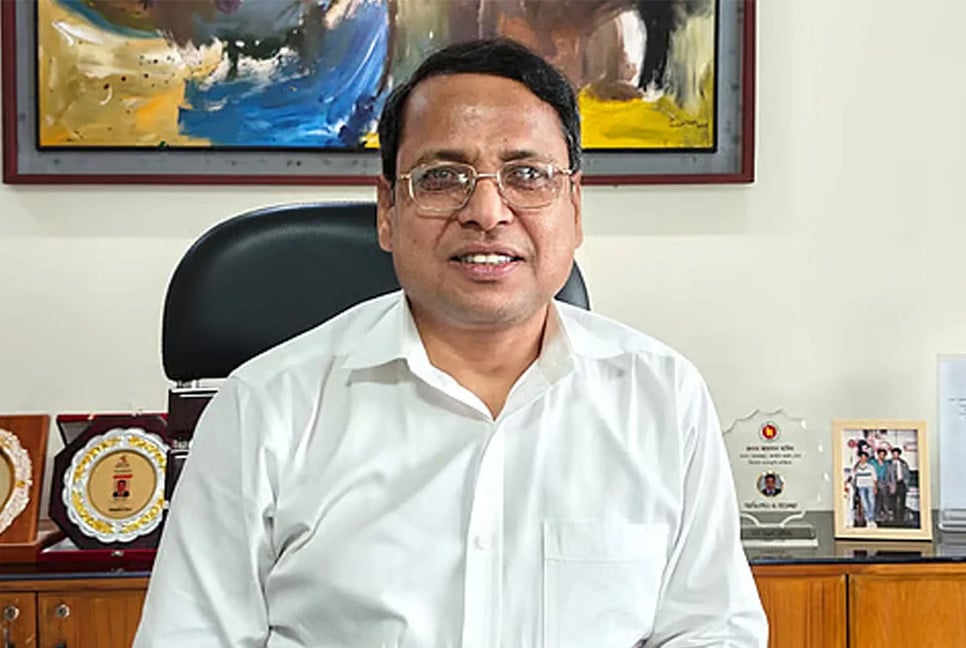
Bangladesh Bank spokesperson and Executive Director Arief Hossain Khan told the Daily Sun that banks’ cash demands are being met gradually and newly printed notes are being distributed in phases.
“Even if banks are receiving lower amounts now, additional demand will be adjusted later,” he said.
He added that the central bank is closely monitoring the market situation to maintain stability ahead of Eid. According to him, liquidity support through repo facilities and money injection through dollar purchases may help ease pressure on the call money market in the coming days.
Shortage of new notes
Bangladesh Bank officials said the central bank had requested Tk16,000 crore worth of newly printed notes from the Security Printing Corporation ahead of Eid-ul-Azha.
However, due to shortages of paper and ink, only around Tk8,000 crore worth of new notes can be supplied this year. Of that amount, around Tk4,000 crore worth of new notes has already been delivered to Bangladesh Bank.
Central bank sources said damaged notes are currently being withdrawn from circulation, while preparations are underway to supply more higher-denomination notes because demand for larger-value currency notes increases during Eid-ul-Azha.
At the same time, around Tk15,800 crore worth of old-design notes carrying the portrait of Bangabandhu Sheikh Mujibur Rahman remain stored at the Security Printing Corporation, but Bangladesh Bank is reluctant to release those notes into circulation.
Bd-pratidin English/ ANI