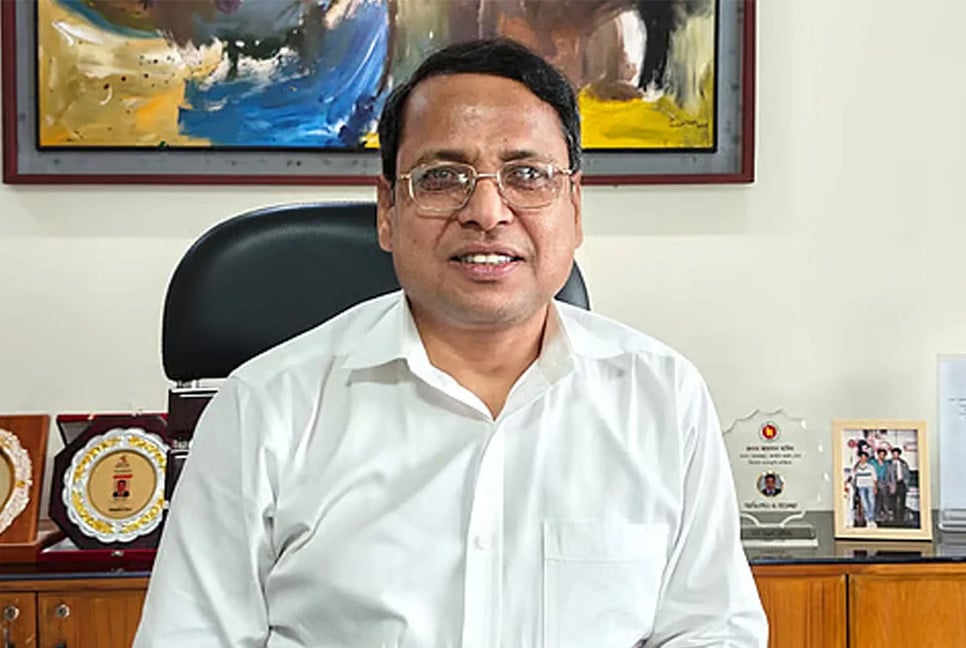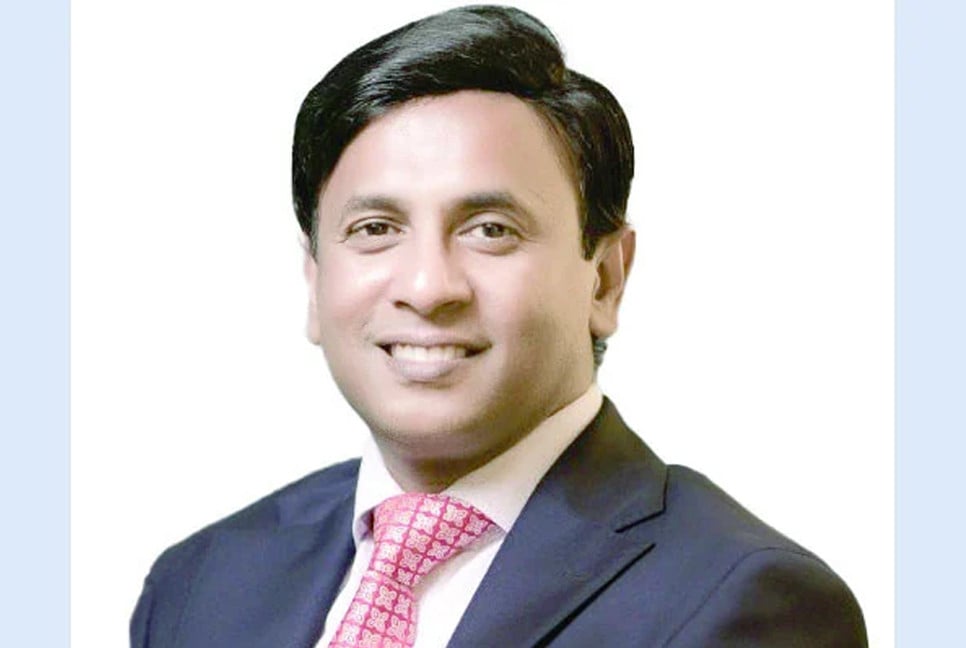
The housing sector is going through a difficult phase, said Md. Iqbal Hossain Chowdhury, Managing Director of JCX Developments Limited.
He said flat sales in Dhaka city have declined significantly in recent times. Due to abridged demand from middle-income buyers, sales for many companies have dropped by 40 to 50 percent.
He identified high prices of construction materials, strict bank lending conditions and overall economic uncertainty as the main reasons behind the situation.
In an interview with Bangladesh Pratidin, he said prices of construction materials such as rods, cement, bricks, sand and stones have increased abnormally over the past few years.
The JCX MD said, “Rod prices have risen by around 30 to 50 percent, while cement prices have increased by 15 to 25 percent. Prices of bricks and other materials have also gone up due to the dollar crisis, higher import costs and rising fuel expenses. As a result, construction costs have increased, making it difficult to undertake new projects.”
He added that home loan interest rates, which previously ranged between 7 and 9 percent, have now reached 11 to 15 percent. This has discouraged new buyers from purchasing flats.
“At the same time, those who have already taken loans are struggling with higher installment payments, resulting in a decrease in the number of buyers and a slow-pace in the marker,” he continued.
Mentioning the housing and construction sector as a key driving force of the economy, he said, “More than 269 linkage industries are connected with it, including rods, cement, ceramics, electrical equipment and transport. The sector also supports thousands of related businesses.”
According to the JCX Developments MD, around 3 to 3.5 million people are employed in this sector, including construction workers, engineers, architects, and workers in steel, cement and transport industries. Therefore, the slowdown in the housing sector is negatively affecting the overall economy.
Due to high prices and reduced purchasing power, many buyers are unable to make decisions. Hence, a large number of ready flats remain unsold in Dhaka and other major cities, he furthered, adding, “This has blocked large amounts of investment for developers and created cash flow pressure.”
Md. Iqbal Hossain Chowdhury said small and medium developers are the worst affected. Due to low sales, high construction costs and bank loan pressure, many companies have suspended new projects. Some projects have been completely shut down, creating uncertainty in the market.
Construction material suppliers, including rods, cement and other related business owners and suppliers, are also suffering losses due to declining demand. Their working capital is stuck, and many are struggling to repay bank loans.
Market analysts estimate that hundreds of crores of taka in business losses have already been incurred in the sector, he said.
He suggested that low-interest home loans should be ensured to revive demand, construction material prices should be effectively controlled, and the housing sector should be treated as a long-term industry with stronger policy and tax support.
He expressed confidence that with proper policy support, the sector can recover and regain momentum.
Translated by Bd-Pratidin English/ AM