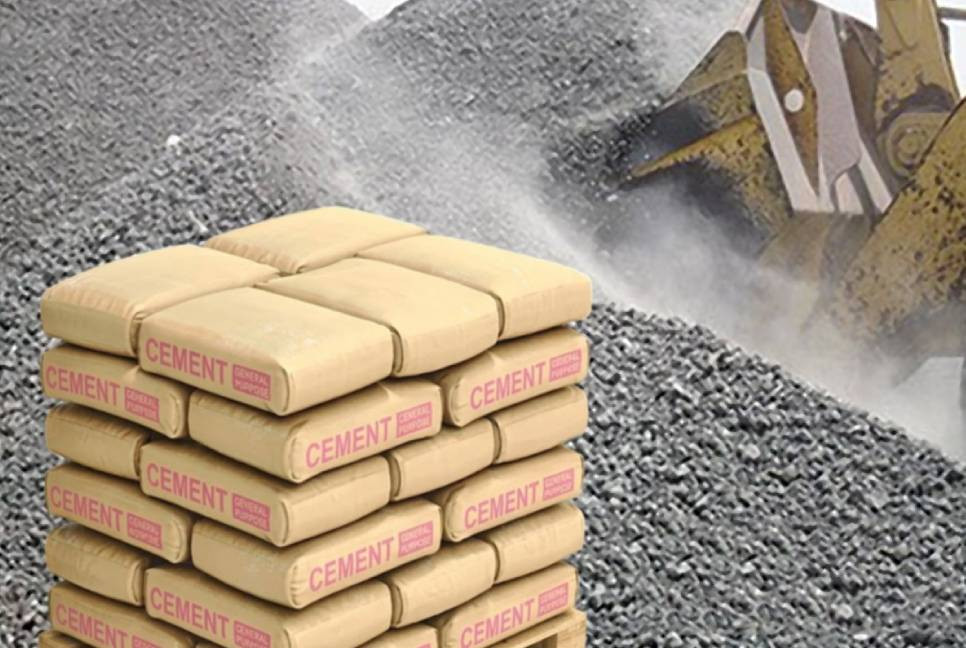
Bangladesh’s cement industry is facing renewed strain as disruptions in Middle Eastern supply chains-triggered by the ongoing US-Israel war involving Iran have sharply increased the cost of imported raw materials, particularly clinker.
The war has forced manufacturers to shift sourcing away from traditional Middle Eastern suppliers to more expensive Asian markets.
Industry stakeholders say shipping disruptions in the Strait of Hormuz have increased freight and insurance costs, significantly raising overall import expenses.
Officials note that the cement sector remains heavily dependent on imported raw materials. Key inputs such as clinker, limestone, slag, fly ash and gypsum are largely sourced from abroad, with around 90% of clinker imported.
As global logistics have been disrupted, manufacturers are now forced to import clinker at higher prices from countries such as China, Vietnam and Thailand instead of relatively cheaper Gulf markets.
Mohammad Iqbal Chowdhury, chief executive officer of LafargeHolcim Bangladesh PLC, said the conflict and partial disruption of shipping routes through Hormuz have affected global supply chains, increasing shipping, insurance and transport risks.
He noted that clinker prices, which earlier stood at around $42–43 per tonne, have now risen to about $53.
Md Abul Mansur of Royal Cement Limited said, “The price has climbed further to $57–58 per tonne. Slag prices have also increased to $23–24 per tonne, while transport costs have nearly doubled due to higher fuel prices and maritime risks.”
“Despite rising costs, producers are unable to fully pass the burden onto consumers due to weak domestic demand. Cement prices in the local market have increased by Tk30–50 per bag, while production costs have risen by Tk70–80 per bag,” he added.
The construction sector is also showing signs of slowdown. Many developers are delaying new projects amid uncertainty, affecting cement demand. Reduced public spending, weak private investment, policy uncertainty and rising costs have further strained the sector.
Mohammad Amirul Haque, president of the Bangladesh Cement Manufacturers Association, said the industry has faced multiple shocks in recent years and many companies are continuing operations despite losses.
However, he warned that the current situation is not sustainable in the long term and said a quick recovery in the market is unlikely.
bd-pratidin/GR