Sharks, the ocean’s top predators, rely on sharp teeth that grow continuously throughout their lives. New research suggests, however, that rising ocean acidity could weaken those teeth, threatening sharks’ hunting ability and position in the marine food chain, reports AP.
The study, conducted by scientists at Heinrich Heine University Düsseldorf, examined how increasingly acidic seawater affects shark teeth. Ocean acidification is driven largely by human activities such as burning fossil fuels, which increase carbon dioxide levels absorbed by the oceans.
Lead researcher Maximilian Baum said that higher acidity can cause shark teeth to lose strength, making them more prone to cracking or breaking. “We observed a clear corrosion effect on shark teeth. Their role as top predators could be at risk,” he said.
Baum noted that sharks will not suddenly become toothless, but weaker teeth would add to the pressures they already face, including overfishing, pollution, and climate change.
Published in Frontiers in Marine Science, the study comes amid growing global concern about ocean acidification, which occurs as the oceans absorb more carbon dioxide. Scientists estimate that by 2300, the oceans could become nearly ten times more acidic than today.
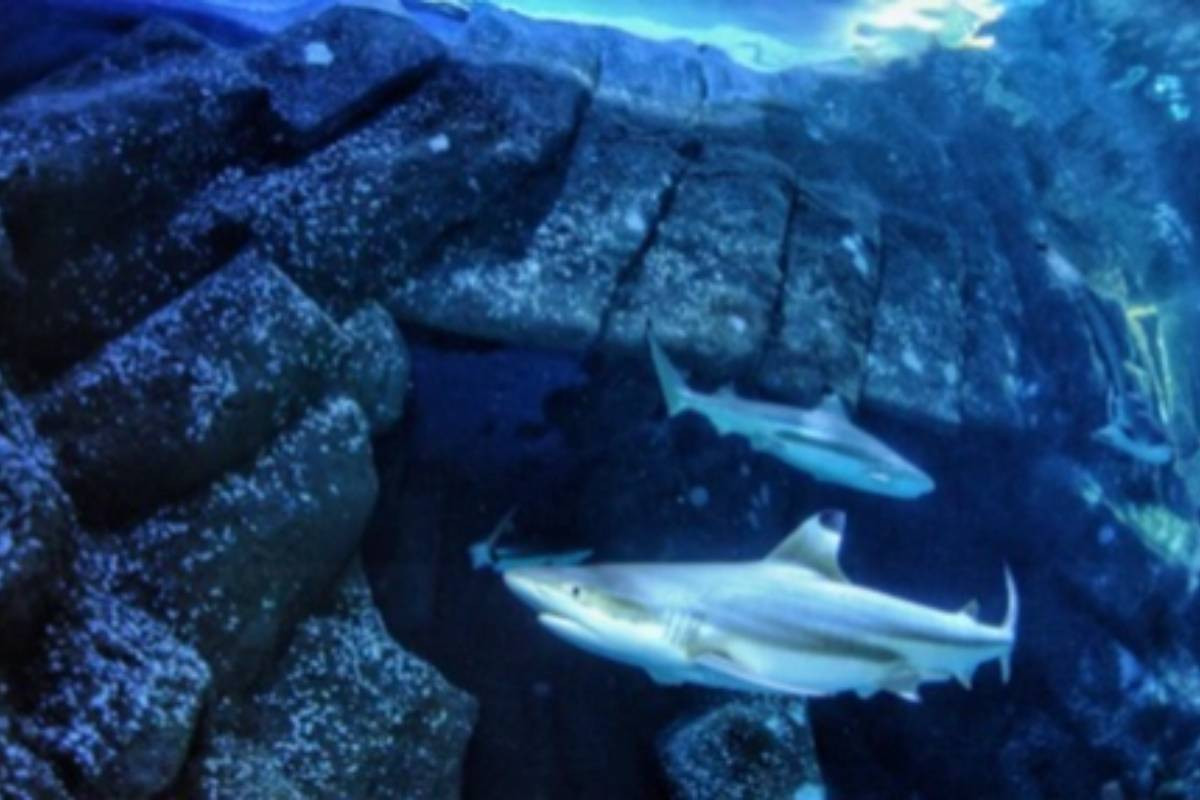
For the experiment, researchers collected more than 600 discarded teeth from blacktip reef sharks kept in an aquarium. The teeth were placed in water reflecting current acidity levels and projected future conditions. Teeth exposed to more acidic water showed serious damage, including cracks, holes, and erosion of roots and overall structure.
“Shark teeth are designed to cut flesh, not withstand acidic conditions,” Baum explained. “Healthy teeth are vital for controlling fish and marine mammal populations.”
Experts say the findings are credible but caution that sharks may have some natural protection. Nick Whitney of the New England Aquarium noted that shark teeth develop inside mouth tissue, which could shield them from chemical changes for some time. He also emphasized sharks’ long evolutionary resilience. “They’ve adapted for about 400 million years,” Whitney said.
Still, scientists warn that ocean acidification is a growing threat to marine life. While overfishing remains the primary danger to sharks, weakening teeth could push some species closer to extinction.
“The success of sharks depends heavily on their perfectly developed teeth,” Baum said.
Bd-pratidin English/ Jisan