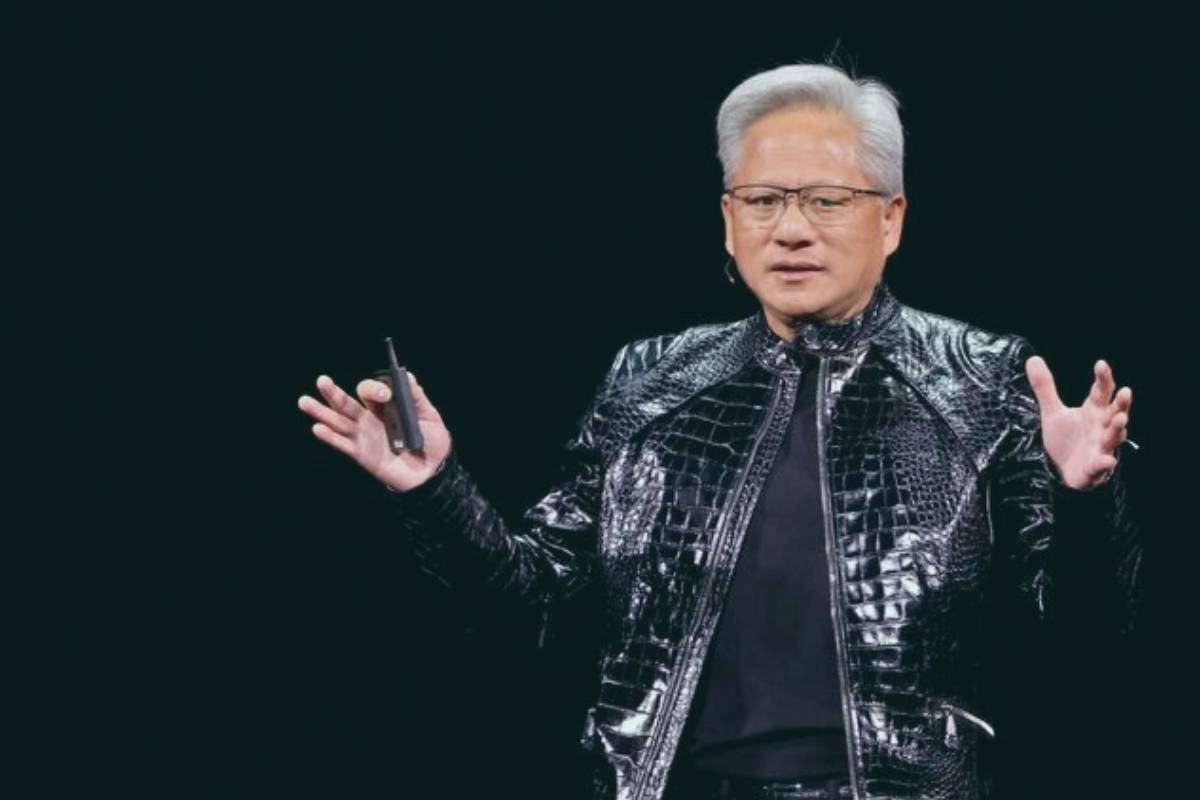
Nvidia CEO Jensen Huang said on Tuesday that China is unlikely to issue a formal statement confirming approval for imports of the company’s H200 chips. Instead, he expects any green light will be evident through incoming purchase orders, reports Reuters.
“My expectation is that we're not going to see press releases or large declarations,” Huang said at the Consumer Electronics Show in Las Vegas, noting strong demand for H200 chips among Chinese customers. “It’s just going to be purchase orders. If the purchase orders come, it’s because they’re able to place them.”
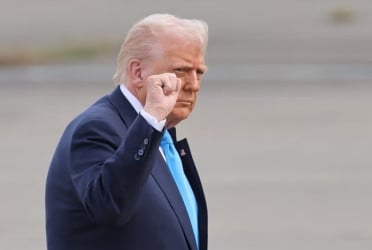
The remarks follow U.S. President Donald Trump’s decision last year to reverse a longstanding ban on shipping advanced AI chips to China, allowing Nvidia to sell the H200—the predecessor to its current “Blackwell” flagship chips.
Earlier Tuesday, Nvidia CFO Colette Kress said the U.S. government is “working feverishly” on license applications for H200 shipments to China, but the company does not yet know when approvals will be granted. “We’re going to wait and see what will happen,” she said.
Huang confirmed that Nvidia is ramping up H200 production for Chinese firms. “Customer demand is high—quite high. We’ve fired up our supply chain, and H200s are flowing through the line,” he said.
On Monday, Nvidia unveiled six new chips in full production to form the next “Vera Rubin” generation of AI computing systems. Kress said the company feels confident in its supply chain, though she did not comment on specific production bottlenecks.
Nvidia aims for $500 billion in sales from Blackwell and Vera Rubin chips by the end of the year. Discussions are already underway with customers regarding 2027 data center buildouts, Kress said, without giving further guidance.
Huang emphasized strong demand for Nvidia products across the board and expressed optimism for collaboration with Taiwan Semiconductor Manufacturing Co., which produces most of Nvidia’s chips.
Huang also plans a visit to Israel, where Nvidia employs 5,000 staff and seeks to double the workforce. While he declined to comment on reports of a potential acquisition of AI firm AI21 Labs, he said Nvidia remains open to future investments, partnerships, and acquisitions.
Responding to a question about whether his relationship with Trump influenced Nvidia’s involvement with chip startup Groq, Huang said he was unaware that the Trump-linked firm 1789 Capital was an investor. “I didn’t know that. I guess good for them, but I didn’t know that at all,” he said.
Bd-pratidin English/ Jisan