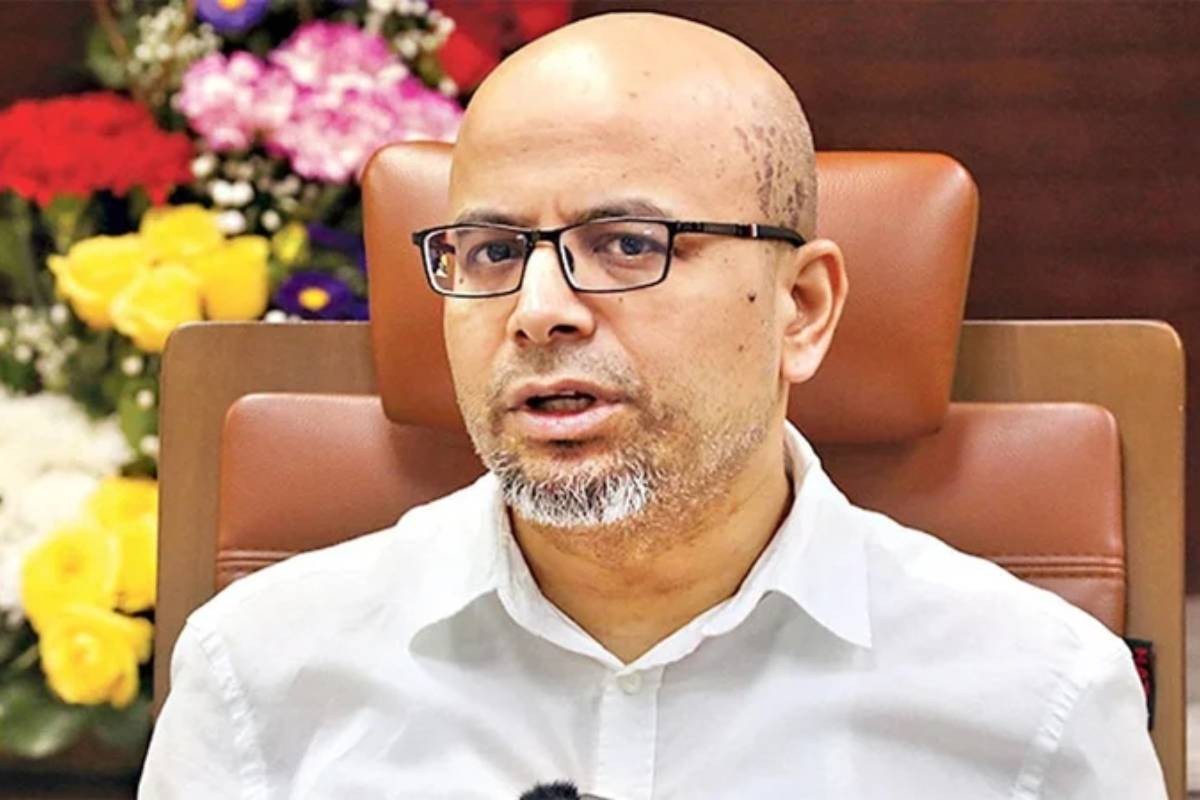
Citizens should not panic following the launch of the National Equipment Identity Register (NEIR), as illegal or cloned mobile handsets will not be automatically blocked during the first 90 days, said Faiz Ahmad Taiyeb, Special Assistant to the Chief Adviser on Posts, Telecommunications and ICT, reports BSS.
In a post on his Facebook account on Friday, Taiyeb said authorities had received more than three billion datasets from mobile operators, including historical records, which are still being processed.
“Because of the way migration data is currently displayed, some NIDs appear to show a higher number of active SIMs or handsets than are actually in use,” he explained.
Taiyeb said the Bangladesh Telecommunication Regulatory Commission (BTRC) and mobile operators are jointly working to archive historical data in the background so that only currently active handsets will be reflected in the system. “This process will take some time,” he added.
He noted that the NEIR system is not new, having first been introduced in 2021, and has now been reactivated with enhanced functional features. “Previously, one individual could use up to 20 SIMs per NID, which was later reduced to 15 and is currently capped at 10. As a result, higher handset counts appearing in NEIR mapping are normal at this stage,” he said.
Taiyeb said the system will help citizens understand how many SIMs and devices have been used under their NID, which could aid in identifying financial crimes such as mobile banking fraud and online gambling.
On data security, he assured that safeguards are in place, including secure JWT digital tokens and rate-limiting mechanisms. He added that future access to NEIR data will require NID verification, along with an additional security layer to strengthen protection.
Taiyeb thanked members of the public for reporting errors and technical issues and urged patience as authorities work to resolve system complexities.
Bd-pratidin English/ Jisan