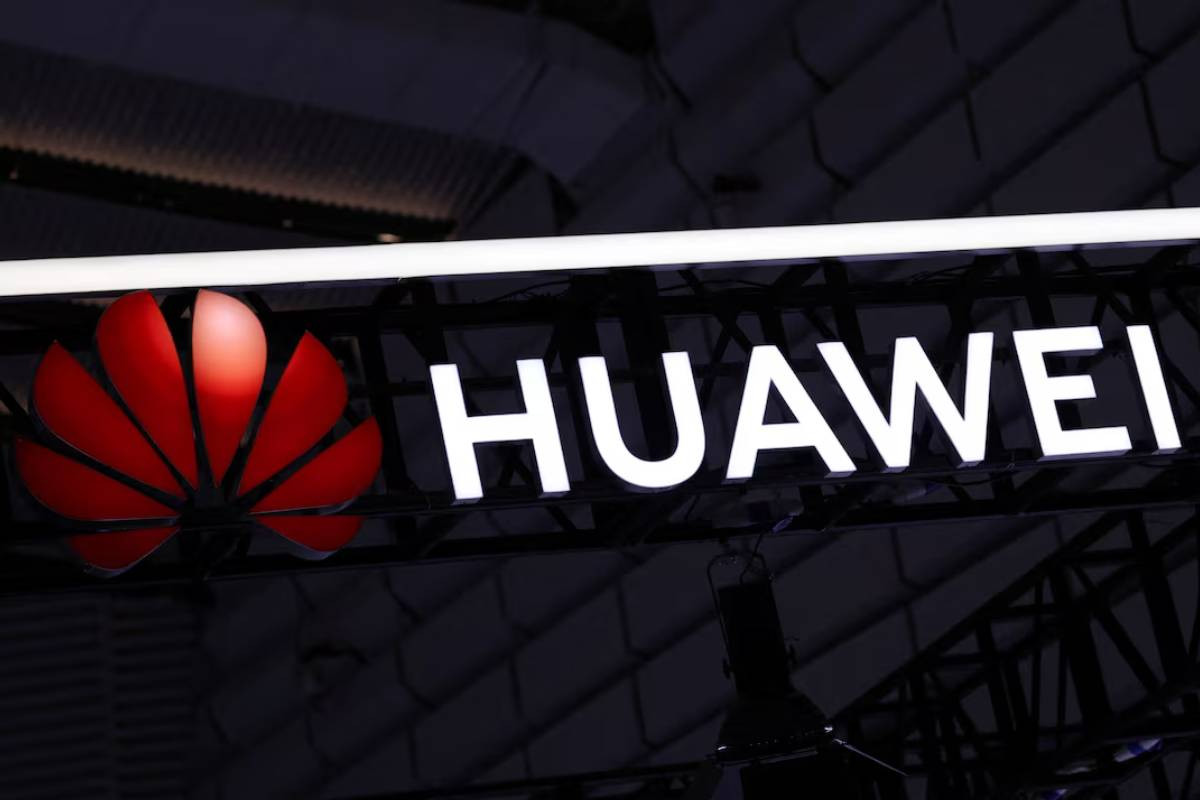
China’s telecom giants Huawei and ZTE have secured a series of contracts this year to supply 5G equipment in Vietnam, a development seen as another sign of Hanoi’s strengthening ties with Beijing, seven people with direct knowledge of the matter told Reuters. The expanding role of Chinese vendors has raised concern among Western officials who have long viewed their involvement in critical infrastructure as a security risk, reports Reuters.
For years, Vietnam was perceived as hesitant to adopt Chinese technology in sensitive sectors. But in recent months it has moved to embrace Chinese tech firms as relations with Beijing have warmed, while tensions with Washington have escalated following U.S. tariffs on Vietnamese goods.
While Sweden’s Ericsson and Finland’s Nokia secured major contracts for Vietnam’s 5G core infrastructure — with U.S. chipmaker Qualcomm supplying network equipment — Chinese companies have begun winning smaller tenders with state-owned operators, according to yet-unreported procurement data.
A consortium including Huawei was awarded a $23 million 5G equipment contract in April, just weeks after the White House announced tariffs on Vietnamese exports. ZTE has secured at least two contracts totaling more than $20 million for 5G antennas, including one awarded last week. The first publicly disclosed deal emerged in September, about a month after the U.S. tariffs took effect.
Reuters could not determine whether the timing of the contract awards was linked to the tariffs, but the deals have alarmed Western officials. The United States has long viewed the exclusion of Chinese contractors from Vietnam’s digital infrastructure — including undersea fiber-optic cables — as critical for expanding cooperation on advanced technologies.
Huawei and ZTE are banned from U.S. telecom networks as “unacceptable” national security risks. Several European countries, including Sweden, have imposed similar restrictions.
Ericsson declined to comment on its Chinese rivals, saying only that it remained “fully committed to supporting its customers in Vietnam.” Huawei, ZTE, Nokia, Qualcomm, the U.S. Embassy in Vietnam, China’s Embassy, Sweden’s foreign ministry, and Vietnam’s technology ministry did not respond to requests for comment.
Vietnam, a strategically important but non-aligned Southeast Asian nation, has become a key battleground in the global competition for influence. Its proximity to China has made it an essential manufacturing hub for global brands such as Apple, Samsung, and Nike — companies that rely heavily on Chinese components and Western consumers.
Under Western pressure, Vietnam long adopted a “wait-and-see approach” to Chinese technology, said Nguyen Hung, a supply-chain specialist at RMIT University Vietnam. But “Vietnam has its own priorities,” he said, noting that the new 5G deals could accelerate deeper economic integration with China.
Hanoi and Beijing have recently advanced cooperation on other sensitive initiatives, including cross-border rail links and special economic zones near the Chinese border — projects Vietnam had previously shelved over security concerns.
Tender data shows Huawei lost multiple bids for 5G equipment earlier this year, but it has remained active through technical service partnerships. In June, the company signed an agreement on 5G technology transfers with Viettel, Vietnam’s army-owned main telecom operator, according to the country’s defense ministry. Viettel did not respond to a request for comment, but one company employee said Chinese technology remained significantly cheaper.
The involvement of Chinese vendors has been raised in at least two recent meetings among senior Western officials in Hanoi, diplomatic sources said. In one meeting, a U.S. official warned that incorporating Chinese equipment could undermine trust in Vietnam’s networks and jeopardize cooperation on advanced U.S. technologies.
In another meeting this month, officials discussed whether segments of Vietnam’s telecom network using Chinese equipment could be isolated to prevent potential data leaks, one source said.
But even with segmentation, access risks remain, said Innocenzo Genna, a telecommunications lawyer. Suppliers of antennas or network hardware could still have ways to access data, he noted, adding that “Western contractors may face the awkward prospect of working alongside firms they do not trust.”
Bd-pratidin English/ Jisan