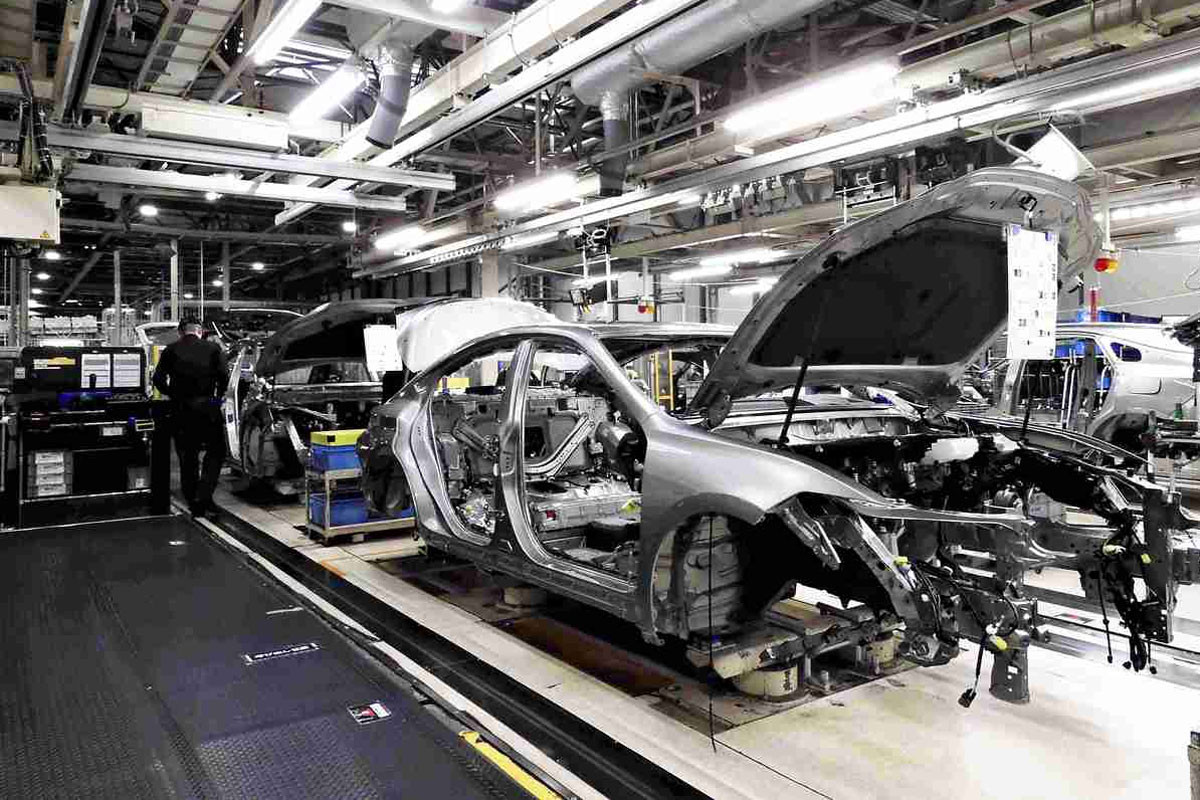
A Japanese research collaboration has developed interior automotive parts from recycled household plastics—specifically discarded wardrobes—in a major step toward sustainable vehicle manufacturing. The project, led by a consortium of automakers, Tohoku University, and the Environment Ministry, demonstrates how waste plastics can be repurposed to meet the demanding standards of modern car production, reports JN.
The breakthrough parts, including glove compartments, will be unveiled at a technology exhibition later this month. The initiative aims to reduce Japan’s reliance on imported petroleum-based plastics and cut carbon emissions through domestic recycling.
Plastic makes up roughly half of the volume and 10% of the weight of cars made in Japan, with nearly 1 million tons used annually for components like bumpers and engine covers. Yet until now, using recycled plastics in vehicle manufacturing has been limited due to challenges with durability, heat resistance, and product consistency.
Ryohin Keikaku Co., operator of MUJI stores, collected old wardrobes made from polypropylene. These were processed by Mitsui Chemicals into recycled materials with 25% reused content, while Toyoda Gosei developed durable glove compartment parts. The resulting components passed rigorous tests in March, confirming their viability for practical use.
The government has supported the effort as part of a broader initiative launched in 2023 to foster domestic recycling solutions, reduce raw material imports, and promote decarbonization. With over 25 companies, including Toyota and Honda, participating, the project reflects growing momentum for eco-conscious innovation in the automotive sector.
Next steps include developing interior door and exterior components from recycled plastics. The team is also exploring the use of other common household plastic items, such as tofu containers and contact lens cases. Ensuring consistent quality despite mixed waste remains a key technical hurdle.
As the European Union considers mandating that 20% of vehicle plastic content be recycled by 2031, Japan has set its own target of 15%. The success of this project positions the country to meet its goal while setting a model for sustainable automotive practices worldwide.
Bd-pratidin English/ Jisan