Amid a global shortage of good sleep, dietary habits are emerging as an important factor that can make the difference between refreshing rest and a night spent regretting every food choice you made in the previous 24 hours.
At CQUniversity in Adelaide, research psychologist Dr Charlotte Gupta has been studying how different eating patterns affect shift workers’ performance. Her most important piece of advice for a good night’s sleep is to eat well before bedtime.
“We’re not primed to be digesting food at night,” Gupta says. A meal eaten too close to sleep forces the body to focus energy and resources on digestion, when it should be resting and performing other tasks that take place while we rest. “So it’s likely to impact the quality of our sleep; we’re more likely to wake up during the night, remember our dreams, not get that really restorative sleep,” she says.
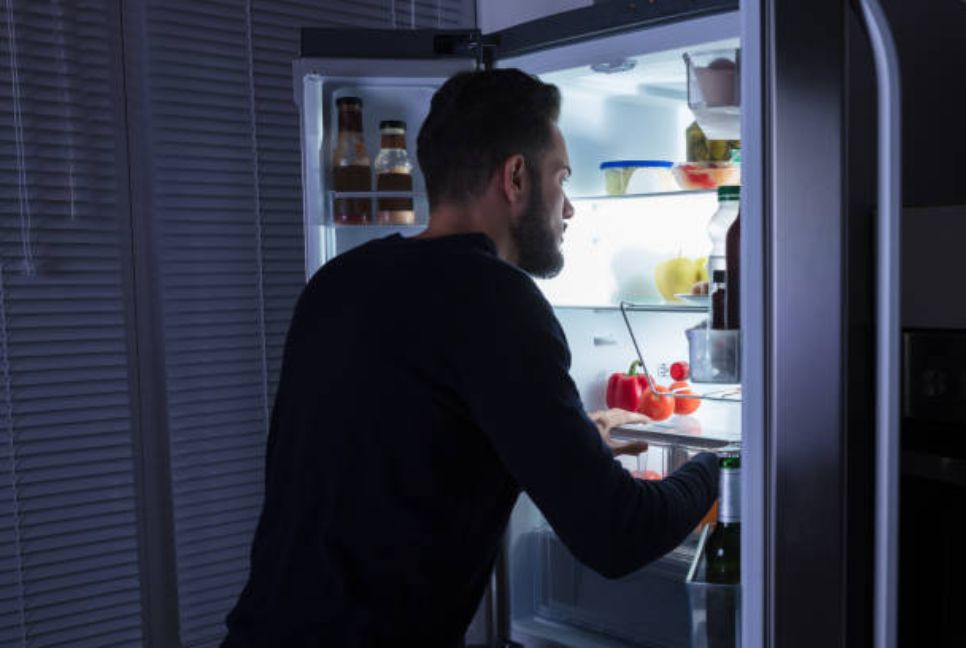
The ideal is to eat your last food at least two hours before going to sleep, which means no pre-sleep pecking at leftovers or midnight raid of the fridge for a spoonful of cold pudding.
The size of that final meal can also make a difference. Ideally, we should be having a bigger meal in the middle of the day, when light exposure means our body is very much awake and primed for digestion, and a smaller meal in the evening. But not too small.
On the question of what to eat for a good night’s sleep, physiologist and nutritionist Dr Elizabeth Machan from the University of Sydney said, “We haven’t got extensive research that has given us the perfect recipe for what the evening meal should be.”
There’s some evidence that higher-fat meals are more filling, so in theory people will have more restful sleep, Machan says. But diets high in fat are also associated with shorter sleep duration.
Similarly, despite the popular idea that eating carbs before bedtime is bad, some studies suggest having a meal higher in carbohydrate can actually help people get to sleep faster. “I think a lot of people might avoid carbs in the evening, for instance, or they’ll reduce their carb intake in the evening, and that’s when they can become more food-seeking later in the night as a result,” she says.
To combat this issue, Machan said it’s important to include vegetables in that evening meal to help slow the digestive process. “So if you’ve got a meal that is lower energy, for instance, it’s going to keep you full, you’re not going to wake up in the middle of the night hungry,” she said.
There’s a lot of interest in micronutrients such as the amino acid tryptophan, which the body can convert into the sleep hormone melatonin, and which is found in a range of foods including eggs, tofu, salmon, milk, turkey and some nuts and seeds.
Like so many other health stories, good sleep ultimately seems to come back to that same old chestnut of healthy diet, healthy lifestyle. Sleep impacts diet and exercise. So, we need to be getting the sleep right, and it will get everything else right.
Source: The Guardian
Bd-pratidin English/FNC