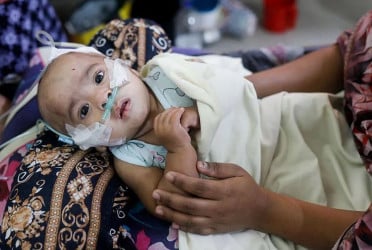
Autism, a neurodevelopmental disorder, gradually becomes noticeable as children grow older. If it is not identified at an early stage, the condition can become more severe over time. However, many parents fail to recognize the early symptoms of autism, making timely intervention difficult and reducing the chances of helping children return to a normal developmental path.
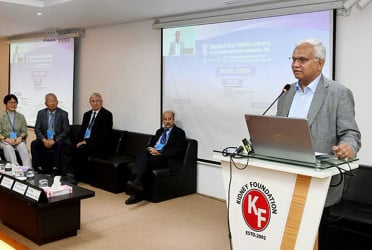
To address this challenge, Professor Tahsina Farah Sanam of the Institute of Appropriate Technology at Bangladesh University of Engineering and Technology (BUET) is conducting groundbreaking research in Bangladesh using artificial intelligence (AI) and machine learning for autism screening and treatment support for children with special needs.
Through her newly developed technology, Professor Tahsina has successfully used Wi-Fi-based systems to identify early signs of autism. This innovation could enable healthcare providers to begin treatment and intervention immediately after detection.
In Bangladesh, autism is often diagnosed very late, sometimes when children are around 10 years old or even older.
A major focus of Professor Tahsina’s AI-based research is the rapid identification of early symptoms so that treatment can begin during early childhood, when intervention is most effective.
She is currently working on touchless monitoring methods that use wireless signal technologies, such as Wi-Fi signals and other sensors, to observe stereotypical movements commonly associated with autism. Using AI algorithms, the system can automatically distinguish movement patterns between neurotypical children and children with autism.
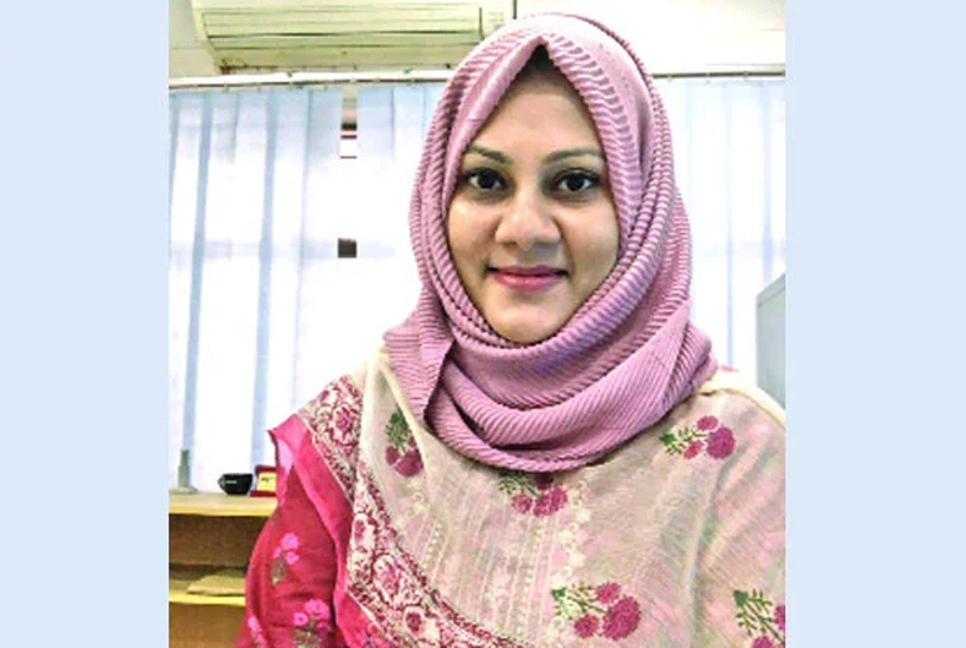
Speaking to Bangladesh Pratidin, Professor Tahsina said, “Autism has increased significantly in our country, and the most important aspect of treatment is early detection. The earlier we can identify autism, the greater the chance for a child to return to a normal life. That is why this is the focus of my research. I completed my PhD in Artificial Intelligence and Machine Learning, and I have tried to apply technology for the benefit of people. In particular, we are working on device-free AI methods that can detect the early signs of autism in children in a child-friendly manner.”
Highlighting the shortage of child neurologists in Bangladesh, she added,“We have conducted research on how AI, wireless communication, and Wi-Fi technologies can provide simple solutions to this problem. With support from industry professionals, schoolteachers, parents, and doctors, we hope to ensure a healthier and brighter future for children.”
Bd-pratidin English/ ANI