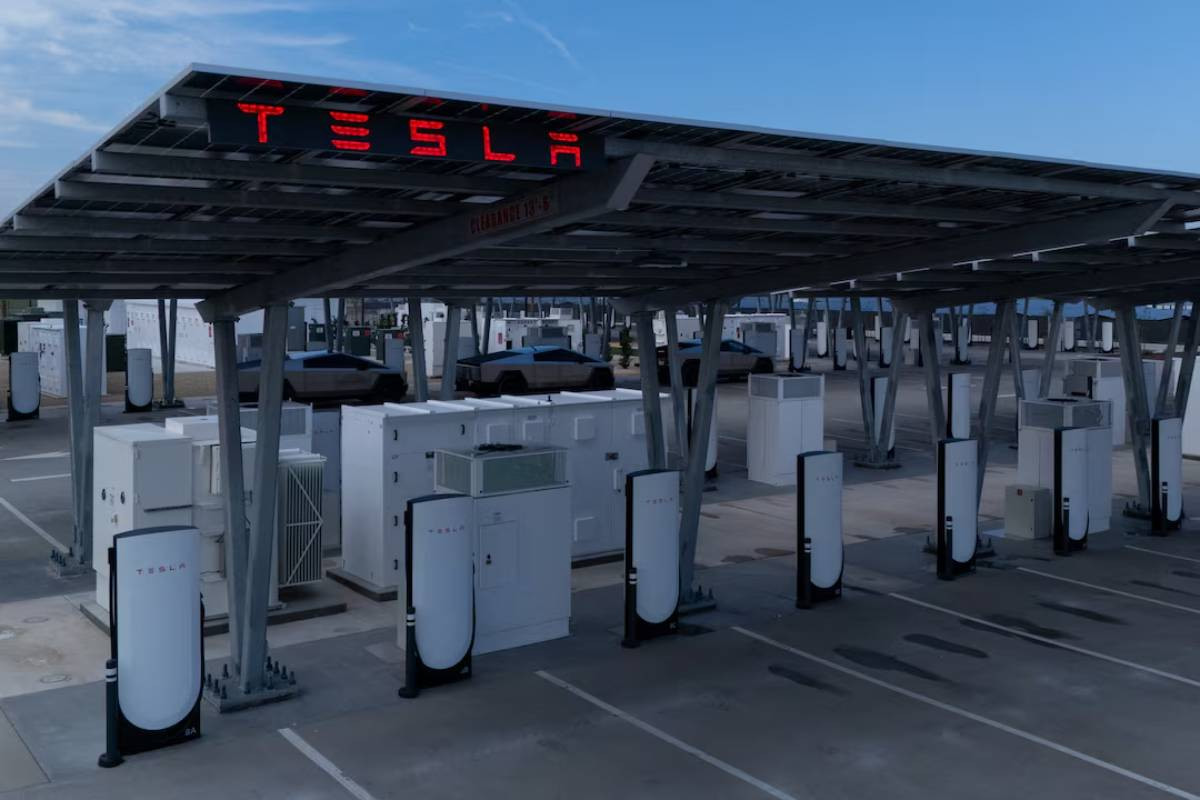
Tesla is in discussions to purchase about $2.9 billion worth of solar manufacturing equipment from Chinese suppliers, as CEO Elon Musk seeks to significantly expand solar capacity in the United States, reports Reuters.
The planned investment is aimed at supporting Tesla’s goal of building up to 100 gigawatts (GW) of solar manufacturing capacity in the U.S. by 2028. Musk has said solar energy could eventually meet all of the country’s electricity needs, especially as demand surges from data centres and industrial growth.
Among the leading potential suppliers is Suzhou Maxwell Technologies, the world’s largest producer of screen-printing equipment used in solar cell production. The company is reportedly seeking export approval from Chinese authorities. Other firms under consideration include Shenzhen S.C New Energy Technology and Laplace Renewable Energy Technology.
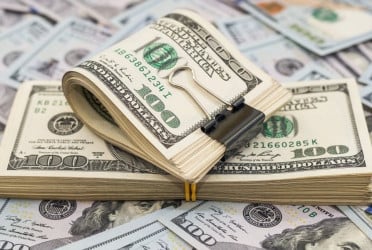
The deal, estimated at around 20 billion yuan, includes advanced machinery such as screen-printing production lines. Some of the equipment will require export clearance, though it remains unclear how much and how long approvals may take.
Sources said Tesla has asked suppliers to deliver the equipment before autumn, with shipments expected to be sent to Texas. The solar capacity is primarily intended for Tesla’s own operations, with some potentially supporting satellites operated by SpaceX.
The potential agreement highlights the ongoing challenge for the United States in reducing reliance on China while rebuilding domestic manufacturing, as key equipment is still largely sourced from Chinese companies.
Chinese solar equipment manufacturers, facing weak domestic demand due to overcapacity, could benefit significantly from such an order. Meanwhile, U.S. tariffs on imported solar panels and cells remain in place, although manufacturing equipment has been exempted since 2024 to support domestic industry growth.
Musk has criticised tariffs for making solar deployment in the U.S. “artificially high,” as electricity demand continues to rise sharply due to AI infrastructure and manufacturing expansion.
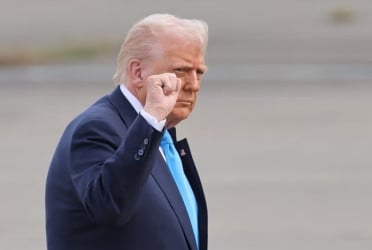
His push for renewable energy contrasts with the policies of Donald Trump, who has prioritised fossil fuel production and reduced federal support for solar and wind energy.
Despite efforts to localise supply chains, Tesla remains dependent on hundreds of China-based suppliers. Previous production plans, including for its Cybertruck and Semi models, faced disruptions after tariff hikes led to halted component shipments from China.
Bd-pratidin English/ Jisan