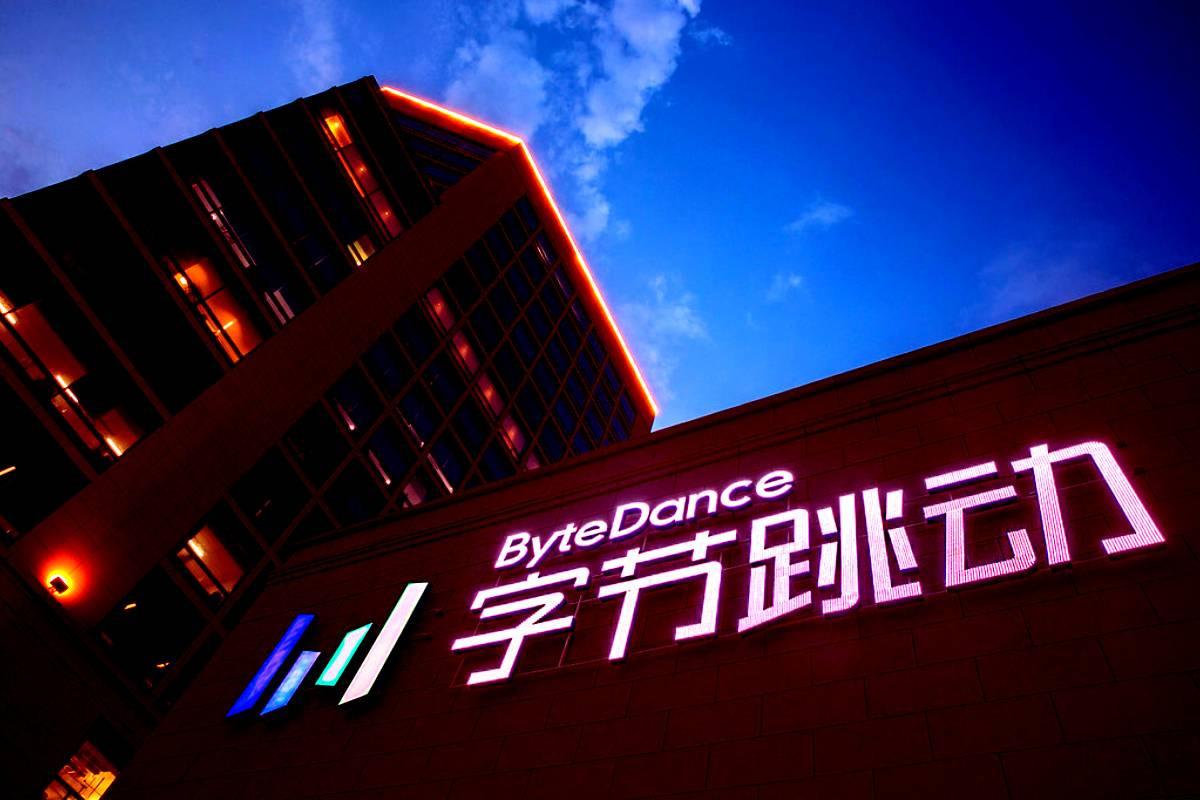
ByteDance, the Chinese parent company of TikTok, has suspended the global launch of its latest AI video-generation model, Seedance 2.0, following a series of copyright disputes with major Hollywood studios and streaming platforms, according to a report by The Information.
The report, published on Saturday and citing two people familiar with the matter, said the company had planned to release the model globally in mid-March but later decided to put the launch on hold. Reuters could not immediately verify the report, and ByteDance did not respond to requests for comment.
Last month, ByteDance said it would take steps to prevent the unauthorised use of intellectual property on Seedance 2.0 after facing threats of legal action from several U.S. studios, including The Walt Disney Company.
Disney reportedly sent a cease-and-desist letter to ByteDance, accusing the firm of using Disney characters to train and power the AI model without permission. The dispute emerged after AI-generated videos created by the system went viral in China, including a clip showing Tom Cruise and Brad Pitt in a fictional fight scene.
According to Disney, the model had been pre-packaged with a pirated library of copyrighted characters from franchises such as Star Wars and Marvel, portraying them as public-domain clip art.
ByteDance officially unveiled Seedance 2.0 in February, saying the system was designed for professional use in film production, e-commerce and advertising. The company highlighted the model’s ability to process text, images, audio and video simultaneously to help reduce content production costs.
The technology also attracted industry attention after comparisons with Chinese AI firm DeepSeek, which has developed models seen as competing with those from Anthropic and OpenAI.
Several tech executives, including Elon Musk, have praised the model’s ability to generate cinematic storylines from just a few prompts.
However, the report said ByteDance’s legal team is now working to identify and resolve potential legal issues, while engineers are adding safeguards to prevent the AI system from generating content that could lead to further intellectual property violations.
Source: Reuters
Bd-pratidin English/ Jisan