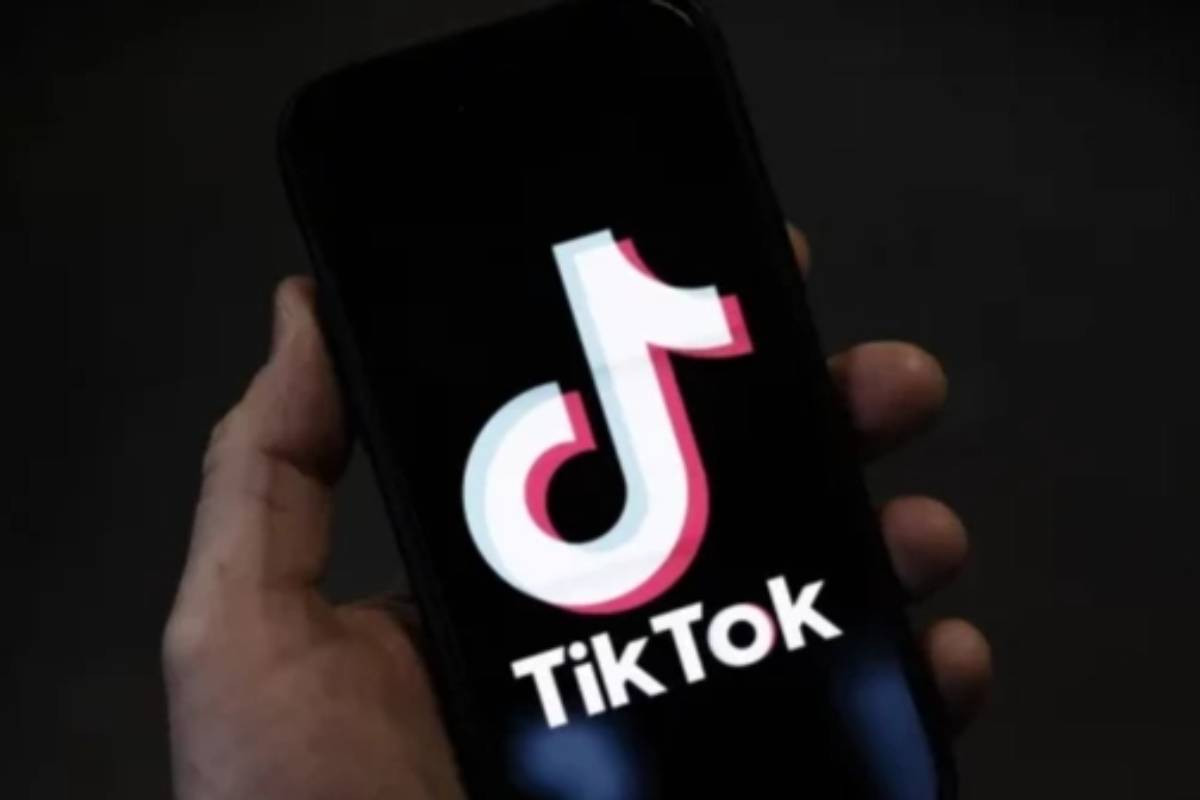
TikTok has confirmed it will not introduce end-to-end encryption for direct messages, distinguishing itself from most major social media platforms and citing concerns that such a move could compromise user safety.
End-to-end encryption allows only the sender and recipient to read messages, providing one of the most secure communication methods available. Platforms such as Facebook, Instagram, Messenger, and X have adopted the system to strengthen user privacy. Critics, however, argue that this encryption can hinder efforts to monitor harmful content, as it blocks both technology companies and law enforcement from accessing messages when safety concerns arise.
The issue is further complicated by longstanding allegations that TikTok’s ties to China could expose user data to risk, claims the company has repeatedly denied. Earlier this year, TikTok’s US operations were separated from its global business in response to directives from American lawmakers.
In a security briefing at its London office, TikTok told BBC that end-to-end encryption would prevent police and safety teams from accessing direct messages when necessary. The company said the decision is intended to protect users, particularly young people, from online harm, and framed it as a deliberate effort to differentiate itself from competitors.
TikTok reports around 30 million monthly users in the UK and more than one billion worldwide. The platform is headquartered in Los Angeles and Singapore and is owned by the Chinese technology company ByteDance. It has faced ongoing scrutiny over data protection and privacy practices.
Social media analyst Matt Navarra described TikTok’s approach as strategically bold but potentially controversial. He noted that the company could argue it prioritizes proactive user safety over absolute privacy, particularly given risks of grooming and harassment in direct messages. At the same time, he said the decision could place TikTok at odds with global privacy standards and increase concerns about its ownership structure.
Privacy advocates maintain that end-to-end encryption is the strongest safeguard against hacking, corporate surveillance, and intrusive state monitoring. TikTok’s choice highlights the tension between user safety and privacy in the evolving social media landscape.
Source: BBC
Bd-pratidin English/ Jisan