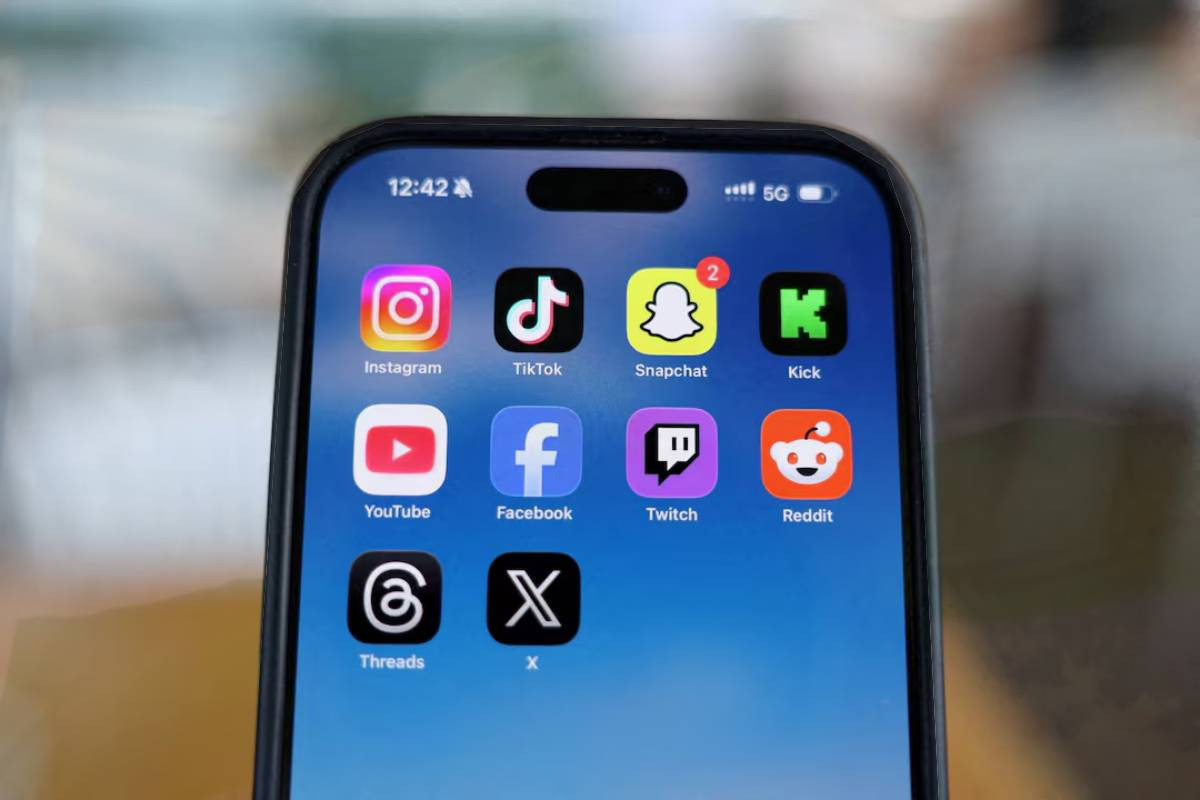
An ally of Indian Prime Minister Narendra Modi has proposed legislation to ban social media use for children under 16, as India, the world’s second-largest internet market, joins a global debate over the impact of online platforms on young people’s health and safety, reports Reuters.
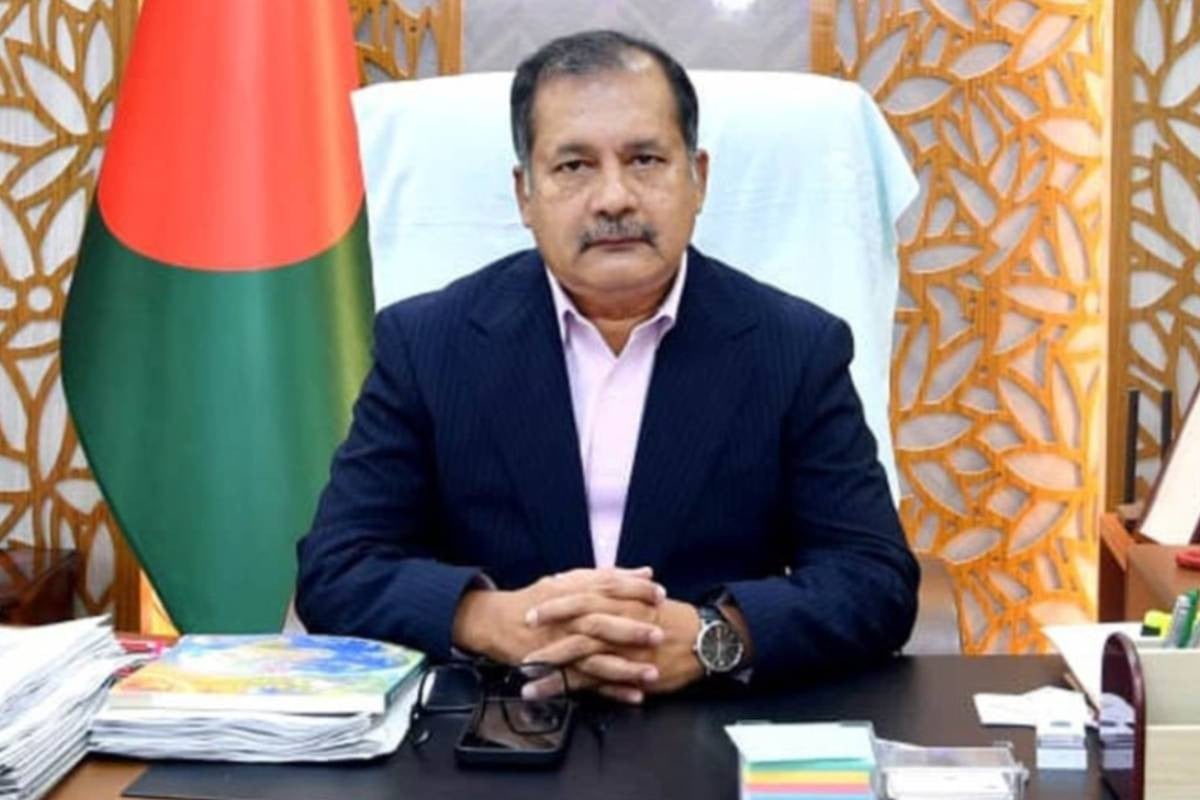
L.S.K. Devarayalu, a lawmaker from the Telugu Desam Party, said on Friday that children are increasingly addicted to social media, while India has become one of the largest sources of data for foreign platforms. “Based on this data, these companies are creating advanced AI systems, effectively turning Indian users into unpaid data providers, while the strategic and economic benefits are reaped elsewhere,” he told Reuters.
Devarayalu’s 15-page Social Media (Age Restrictions and Online Safety) Bill, seen by Reuters, stipulates that no one under 16 “shall be permitted to create, maintain, or hold” a social media account, and existing accounts must be disabled. The legislation places the responsibility for verifying users’ age entirely on social media companies.
The move follows similar measures globally. Last month, Australia became the first country to block social media access for children under 16, a policy welcomed by many parents and child advocates but criticised by tech firms and free-speech advocates. France’s National Assembly this week approved a ban for under-15s, while Britain, Denmark, and Greece are reviewing similar restrictions.
Facebook operator Meta, YouTube-parent Alphabet, and X did not respond to requests for comment on Saturday. Meta has previously said it supports parental oversight but cautions that governments “should be careful not to push teens toward less safe, unregulated sites.” India’s IT ministry did not respond to requests for comment.
India has no minimum age requirement for social media. The country is home to 750 million smartphones and over a billion internet users, making it a critical growth market for platforms such as Meta and YouTube.
The government’s chief economic adviser drew attention earlier this week by suggesting that India should draft policies on age-based access limits to address “digital addiction.”
Devarayalu’s bill is a private member’s proposal rather than one tabled by a federal minister. While such bills rarely become law, they often spark parliamentary debate and influence broader policymaking. The Telugu Desam Party, which governs Andhra Pradesh, is a key ally in Modi’s coalition government, giving the legislation potential political weight.
Bd-pratidin English/ Jisan