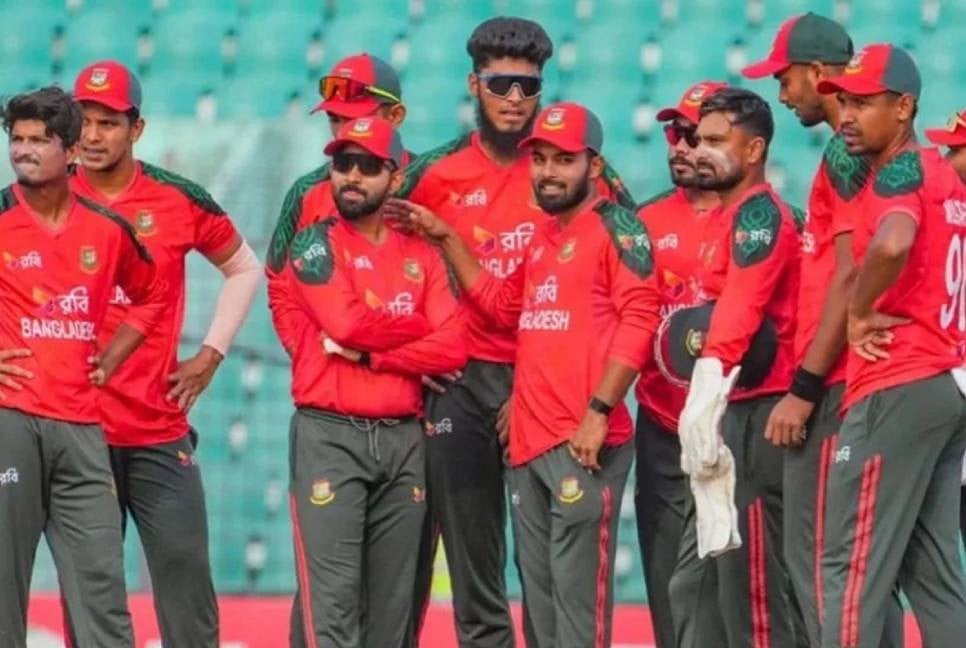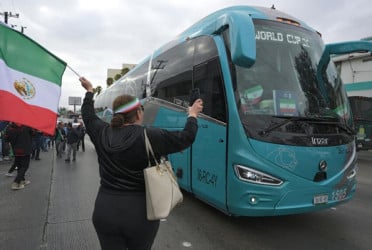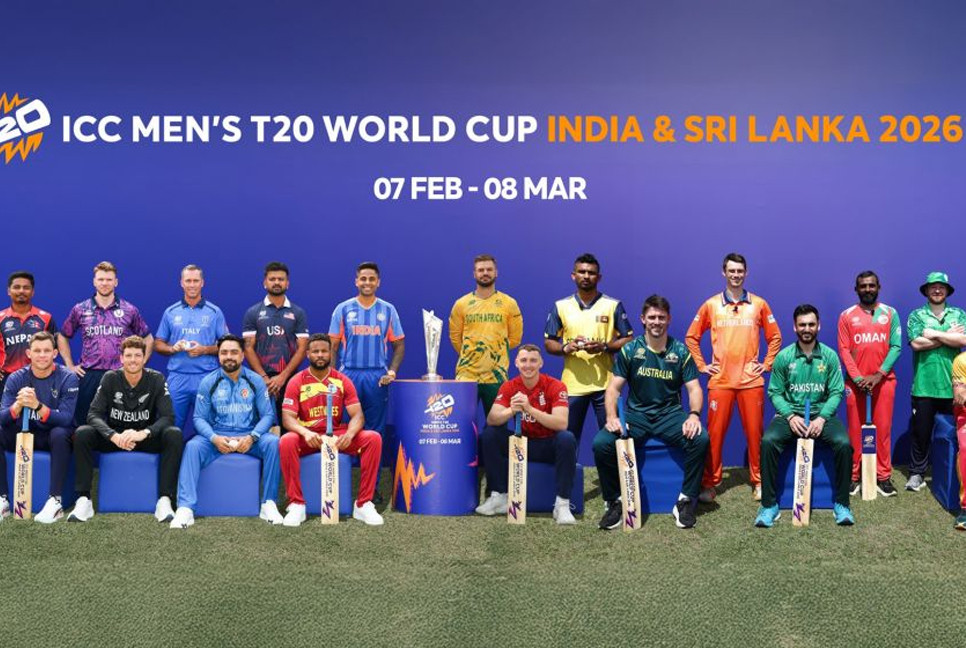
The 2026 ICC Men’s T20 World Cup gets underway on Saturday without Bangladesh for the first time in the tournament’s history, after a security row spiralled into one of the biggest political and sporting crises world cricket has seen in years.
Since the inaugural edition in South Africa in 2007, Bangladesh had played in every T20 World Cup. This year’s expanded 20-team tournament, jointly hosted by India and Sri Lanka, will go ahead without the Tigers after the Bangladesh Cricket Board (BCB) refused to send its team to India, citing security concerns.
Bangladesh will still have a presence at the event. Former captain Athar Ali Khan has been included in the International Cricket Council’s (ICC) commentary panel, while Sharfuddoula Ibne Shahid Saikat and Gazi Sohel will officiate as match umpires.
What was meant to be a celebration of the global game has instead been overtaken by controversy. Political tensions, security fears and diplomatic manoeuvring have dominated the build-up, leaving cricketing matters largely in the background.
Three matches are scheduled on the opening day. Pakistan play the Netherlands in Colombo in a Group A fixture, while the West Indies face Scotland at Eden Gardens in Kolkata in Group C. In Mumbai, hosts India meet the United States in the second Group A match of the day.
For Bangladeshi supporters, it would be a case of what might have been as the opening day should have featured their beloved team. Bangladesh were originally placed in Group C, a slot now filled by Scotland after their late promotion.
The crisis was triggered by left-arm pacer Mustafizur Rahman, who had been signed by Kolkata Knight Riders for the upcoming Indian Premier League season. Under pressure from Hindu nationalist groups, the Board of Control for Cricket in India instructed the franchise to drop the Bangladeshi bowler.
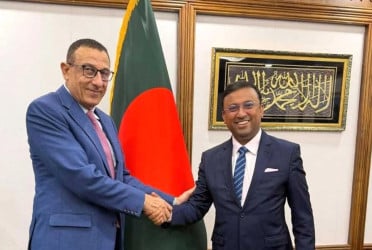
In response, the BCB asked the ICC to relocate Bangladesh’s World Cup matches outside India, arguing that player safety could not be guaranteed. After several rounds of talks, the ICC rejected the request, saying its independent security review had found no “verifiable threat”.
Backed by the Bangladesh government, the BCB refused to reverse its position. The ICC then took the unprecedented step of removing Bangladesh from the tournament and replacing them with Scotland.
The decision provoked a storm of reaction. Pakistan publicly backed Bangladesh, and former players from several countries accused the ICC of double standards. Pakistan Cricket Board chairman Mohsin Naqvi even raised the prospect of a boycott before clarifying his stance after talks with Prime Minister Shehbaz Sharif.
Islamabad later announced it would take part in the World Cup but would not play India in the group stage, deepening the crisis.
What began as a dispute over Bangladesh’s security has now become a regional political flashpoint — and it is likely to continue to cast a shadow over a World Cup that is only just beginning.
Bd-pratidin English/TR