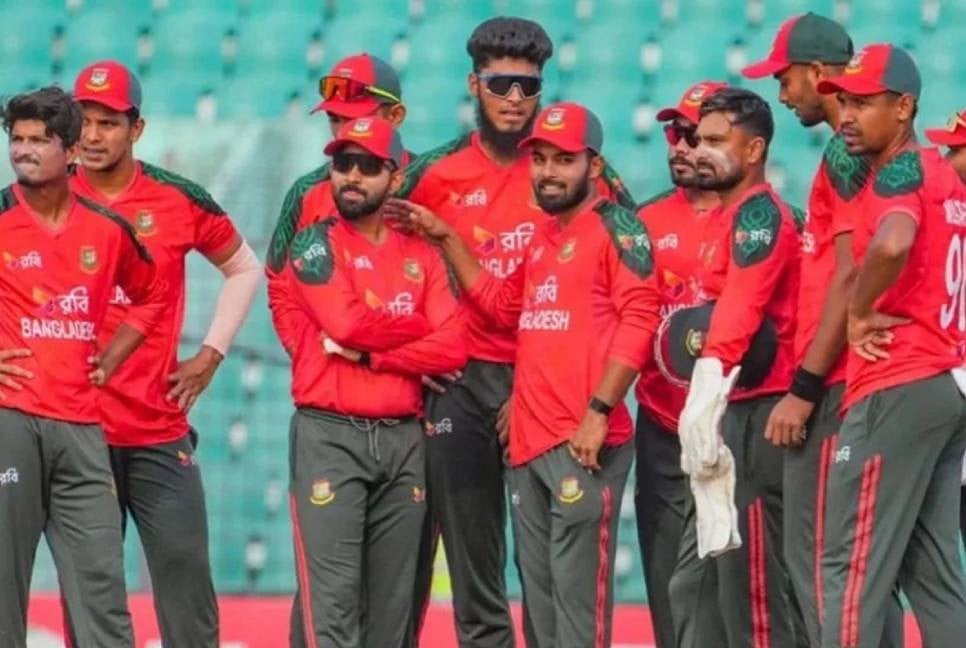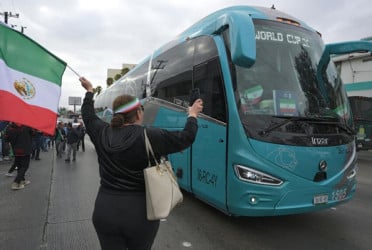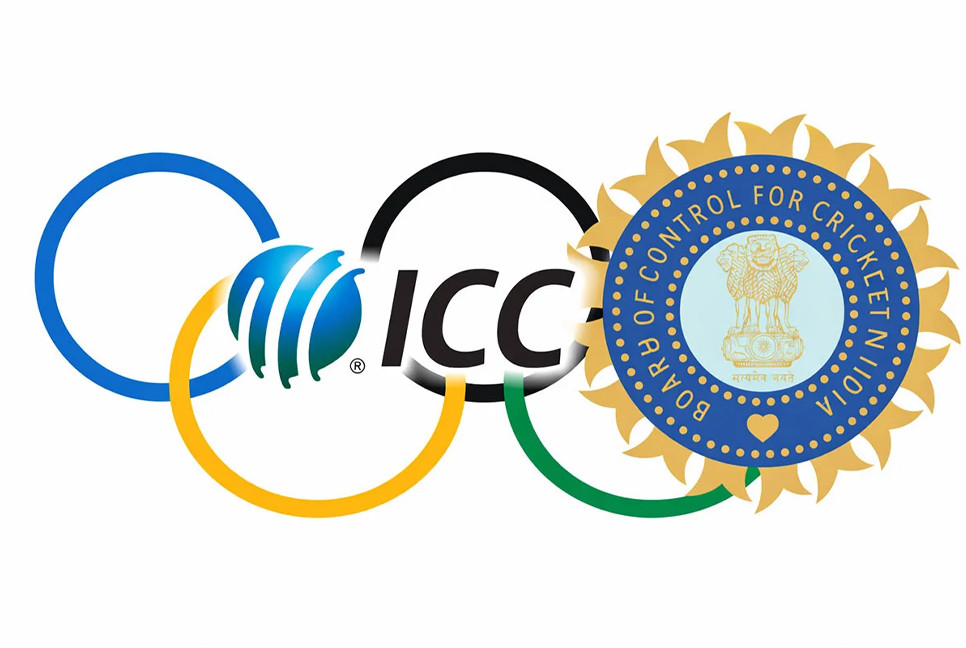
Bangladesh’s withdrawal from the men’s T20 World Cup could have implications for India’s 2036 Olympic bid amid concern at the International Olympic Committee over the potential politicisation of sport, reports The Guardian.
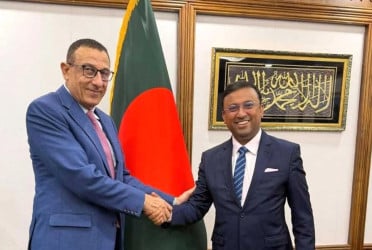
Bangladesh pulled out of next month’s tournament last weekend after the International Cricket Council declined a request to move their group matches from India to the co-hosts Sri Lanka, after a long-running political row triggered by Kolkata Knight Riders’ decision to remove the Bangladeshi bowler Mustafizur Rahman from their Indian Premier League squad. Relations between the two countries have deteriorated further in the past month.
Kolkata authorities have claimed that they have taken the decision following the instructions of the Indian Cricket Board (BCCI). At the same time, there are reports that Pakistan is also considering boycotting the World Cup in solidarity.
Although the ICC took the final decision to hold Bangladesh's matches in India, it is said that the BCCI played a role in influencing the ICC to not allow the change of venue. Although the ICC claims to be an independent organization, there is a precedent for making decisions in India's favor in the past. India was guaranteed a semi-final in Guyana in the 2024 T20 World Cup citing broadcasting and financial reasons.
The BCCI's influence in the ICC is very strong and they have close ties with the Indian government. ICC chairman Jay Shah was previously the BCCI secretary. His father Amit Shah is the home minister in Narendra Modi's cabinet. ICC CEO Sanjog Gupta previously held a top position in India's Geostar Media Group, which holds the exclusive broadcasting rights for ICC events.
The political controversy has come to the fore at a time when India is making strong efforts to host the 2036 Olympics. After confirming Delhi as the host of the 2030 Commonwealth Games, India is now bidding for the Olympics with Ahmedabad as its target. Qatar is seen as the biggest rival in this regard.
However, the IOC's stance on political interference in sports is much stricter than the ICC's. IOC sources said that no country is given the responsibility of hosting the Olympics if there is a risk that other countries may boycott. According to the Olympic Charter, sports organizations must be free from political influence and the expression of political or religious views at the Games is completely prohibited.
The case of Indonesia is being brought forward as an example of the IOC's zero tolerance policy. The IOC suspended dialogue with Indonesia on hosting future Olympics after the Israeli team was denied visas for the World Gymnastics Championships in Jakarta last October. As a result, the country was also dropped from the race to host the 2036 Olympics.
International cricket politics could therefore play a major role in the selection of the 2036 Olympics host. Cricket is returning to the 2028 Los Angeles Olympics for the first time since 1900 and will also be present at the 2032 Brisbane Olympics. The IOC included cricket to attract the Indian market. But not at any cost.
Notably, Pakistan's match in the T20 World Cup is being hosted in Sri Lanka in retaliation for India's refusal to allow them to play across the border in last year's Champions Trophy. The bilateral series between the two countries has also been suspended.
According to IOC sources, India will have to show clear progress in improving relations with Pakistan and Bangladesh to be considered a credible Olympic host.
Bd-pratidin English/TR