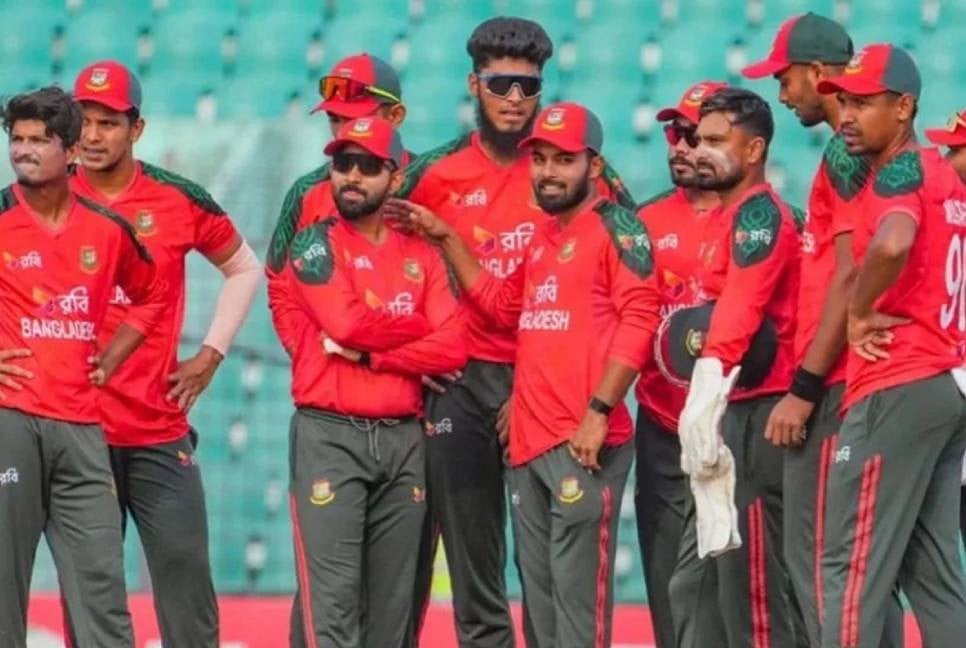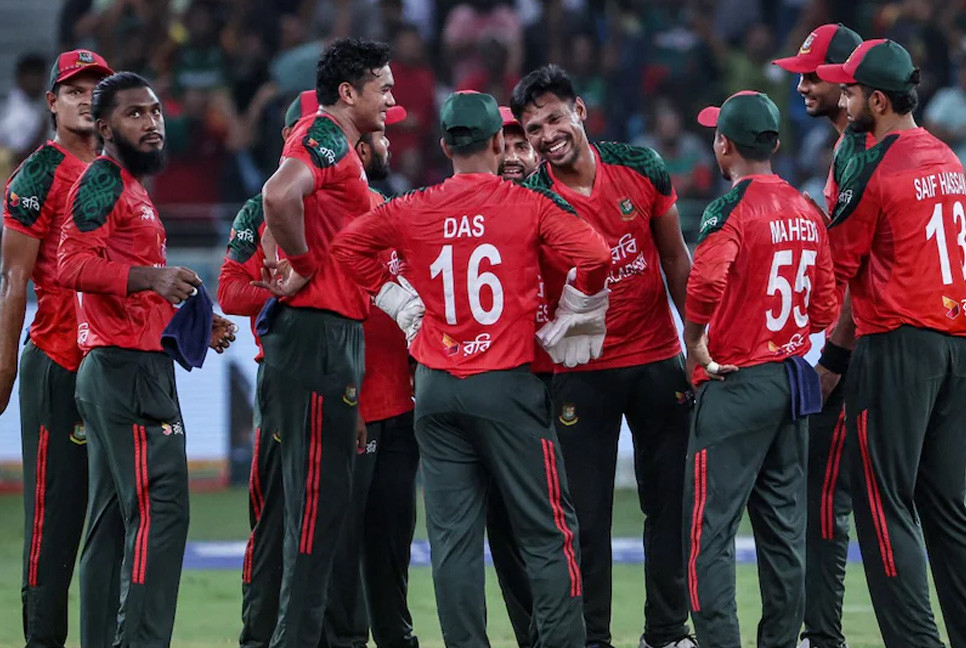
In a bid that ignored jurisdictional boundaries, a petitioner sought a ban on Bangladesh cricket through the Delhi High Court.
The court swiftly dismissed the Public Interest Litigation (PIL), reminding the petitioner that Indian courts have no authority over foreign affairs.
The petition, filed over alleged violence against the Hindu community in Bangladesh, was firmly rejected by a Division Bench comprising Chief Justice Devendra Kumar Upadhyaya and Justice Tejas Karia, who made it clear that Indian courts are not umpires of international diplomacy or global cricket.
At the very outset, the Bench questioned the maintainability of the petition, observing that matters involving foreign policy and international relations fall squarely within the domain of the executive, not the judiciary. The court noted that it cannot be asked to take policy decisions concerning a foreign nation or initiate inquiries beyond India’s territorial jurisdiction.
Chief Justice Upadhyaya pointed out that writ jurisdiction under Article 226 of the Indian Constitution does not extend to foreign governments, international sporting bodies, or cricket boards of other countries. The Bench further observed that the petitioner had sought directions against the International Cricket Council (ICC), the Bangladesh Cricket Board (BCB), and the Sri Lanka Cricket Board, entities clearly outside the reach of Indian courts.
During the hearing, Solicitor General of India Tushar Mehta appeared on behalf of the Board of Control for Cricket in India (BCCI) and highlighted that multiple foreign cricket boards had been made parties to the case, further weakening its legal footing.
The Bench repeatedly cautioned the petitioner, a self-identified law student, that courts cannot issue writs to foreign cricket boards or direct the Indian government on how to deal with another country. It also warned that such litigation amounted to a misuse of PIL jurisdiction and could attract heavy costs for wasting judicial time.
Adding a final legal boundary, the court rejected the petitioner’s reliance on a Pakistani court judgment, noting that Indian constitutional courts do not follow Pakistani jurisprudence.
Faced with sustained objections, the petitioner eventually sought permission to withdraw the PIL. Allowing the withdrawal, the Chief Justice advised him to pursue more constructive work, remarking that such petitions unnecessarily burden the court.
The petition was dismissed as withdrawn.
Source: NDTV
Bd-Pratidin English