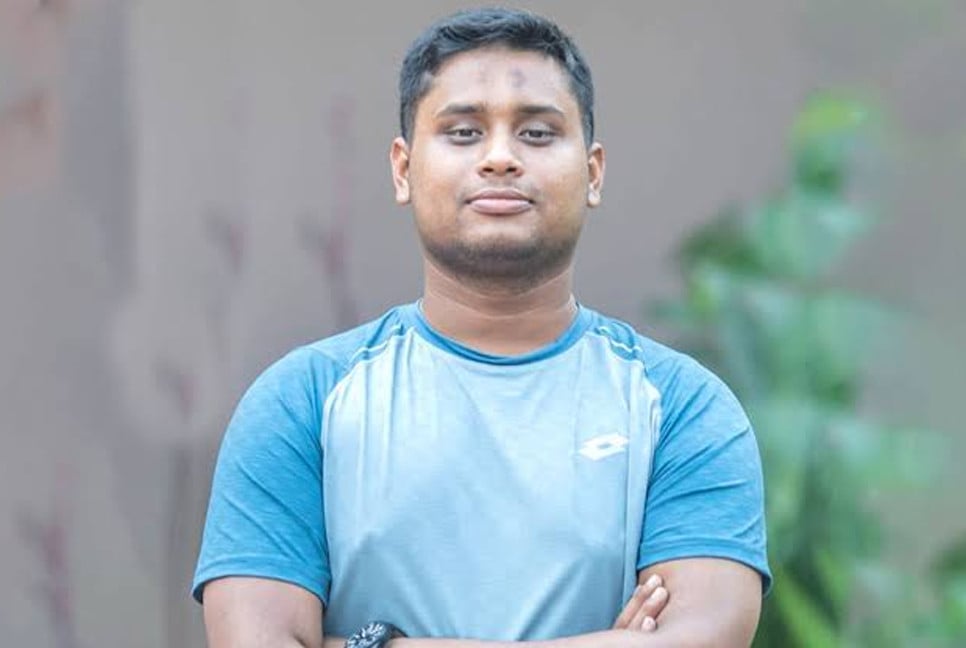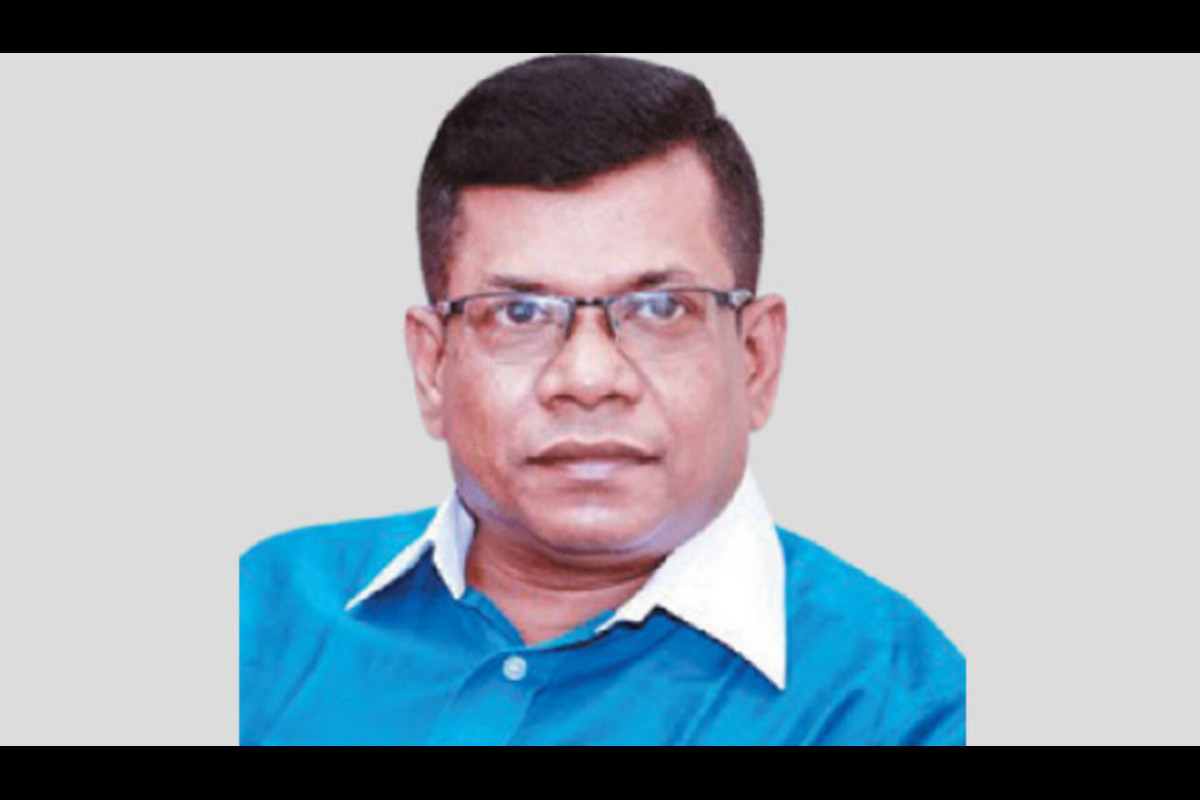
The recent resignation of Muhaimenul Islam Sifat, coordinator of Chandpur’s Hajiganj upazila unit of the National Citizen Party (NCP), citing his own incompetence, has once again thrown the fledgling political group into controversy.
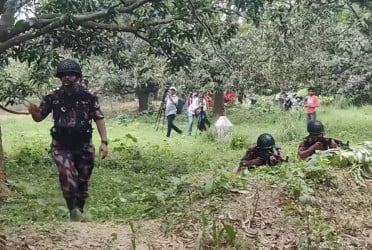
Shared via a Facebook post, his resignation follows a string of high-profile exits from the NCP, among them central leaders Molla Mohammad Faruk Ehsan, Abu Hanif, Hanif Khan Sajib, Abduz Zaher, and Ridwan Hasan, all citing "personal reasons." Several expulsions have also drawn attention, particularly that of Gazi Salauddin Tanvir, who is under investigation by the Anti-Corruption Commission (ACC). Meanwhile, two aides of interim government advisers are under corruption probe. The latest embarrassment involves NCP leader Tariqul Islam being detained by the army in Parbatipur for extortion during a roadside truck blockade.
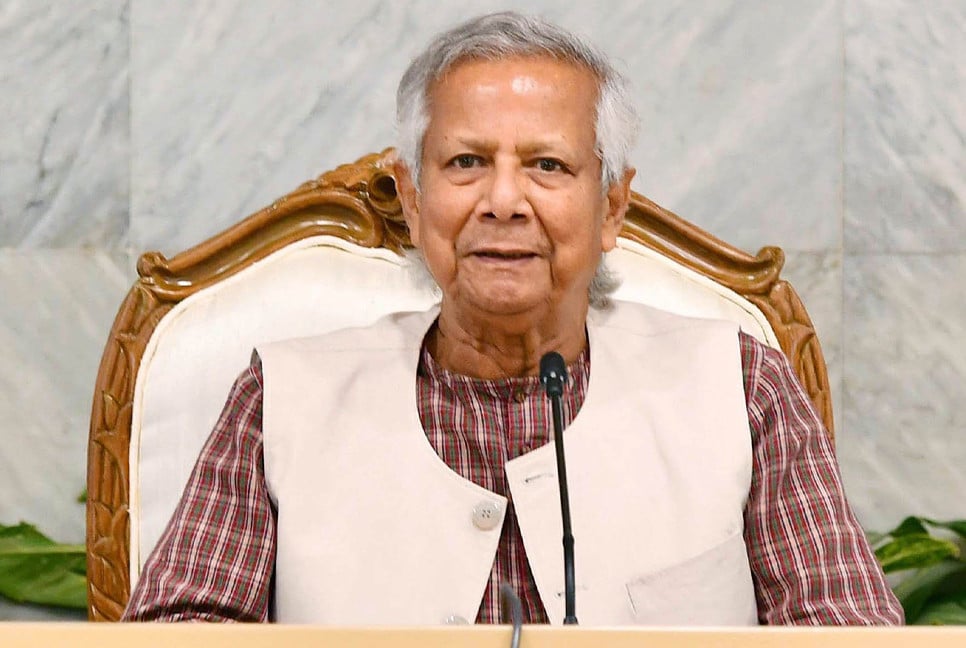
The rapid decline of NCP's youthful leadership, once hailed as the moral vanguard of the July-August revolution, has shocked many. They were once the beacon of hope to the public, held in affection and admired as if they were divine messengers of liberty. But in under a year, that goodwill has been squandered. Extortion, lobbying, mob activity, and power abuse have tarnished their image. They have even become a liability for Chief Adviser Dr. Muhammad Yunus, whom they once idolized. Whispers of his resignation out of frustration, apparently leaked by the very youth he championed, are gaining traction. Their inflammatory social media activity and street-level chaos have also sparked government employee unrest and disrupted civic administration, including efforts to delay the oath-taking of newly elected Dhaka South City Corporation (DSCC) Mayor Ishraque Hossain.
The NCP, once treated with cautious optimism as an alternative to establishment parties, is now plagued by infighting, accusations of corruption, and reckless ambition. Despite a limited grassroots presence, their social media activity has become increasingly unruly. Their involvement in employment manipulation—both hiring and firing—extortion from businesses, and inciting labor unrest at factories has turned idealism into opportunism.
Most damaging are corruption allegations against the personal staff of two interim government advisers: Moazzem Hossain, APS to Local Government and Youth Adviser Asif Mahmud Shojib Bhuiyan; and Tuhin Farabi, aide to Health Adviser Nurjahan Begum. Both were dismissed via government order on April 21 after reports emerged that they amassed hundreds of crores of money through influence peddling—facilitating reinstatements of controversial bureaucrats in exchange for bribes. Moazzem and Farabi reportedly navigated multiple ministries to broker deals, while another aide, Dr. Mahmudul Hasan, remains in Russia amid suspicions he may not return.
In a glaring parallel, critics have compared this to the infamous case of Sheikh Hasina’s domestic aide amassing Tk400 crore over 15 years, drawing comparisons with Shojib Bhuiyan’s aide allegedly accumulating Tk300 crore in just seven months. The public is rightly questioning how such large-scale corruption by personal aides could occur under the Chief Adviser's nose, especially when he appears keenly aware of mundane trivia like the number of citizens born on January 1.
Equally troubling are reports that some of these aides placed their spouses in high-salaried government posts—Tk135,000/month—without open recruitment or merit-based assessments. Meanwhile, former Deputy Cultural Adviser’s controversies went unaddressed despite the resignation of Shilpakala Academy's Director General in protest.
The most severe case involves the looting of Tk150 crore from Nagad, a major mobile financial service, by individuals connected to former adviser Nahid Islam and his PS Atik Morshed. Atik reportedly ran operations from the 6th floor of Nagad’s headquarters and employed family members through backchannel means. All of this raises urgent questions: How are these aides gaining such unchecked access to wealth and influence? Why did the government delay probes until media exposure forced their hand? Is this the new normal in a supposedly “reformed” Bangladesh?
The broader implications are chilling. As the first anniversary of the July uprising approaches, the very revolution that symbolized sacrifice and democratic renewal is being eclipsed by greed and dysfunction. Even those who suffered injuries in last year’s movement (many treated at the National Eye Institute) are reportedly being neglected, with complaints of medical negligence, bureaucratic harassment, and physical assaults on hospital staff. What once represented hope has been reduced to administrative chaos.
The NCP, barely two months into its formal existence as a political party, has already been tattered by internal divisions, public scandal, and a deficit of political maturity. Some of its top leaders now appear disoriented, lacking the vision or discipline necessary to navigate the demands of public leadership. This was not the future anyone hoped for—neither for the nation nor for the youth who once inspired it.
Mostofa Kamal
Deputy Head of News, Banglavision
[email protected]
Bd-pratidin English/ Jisan