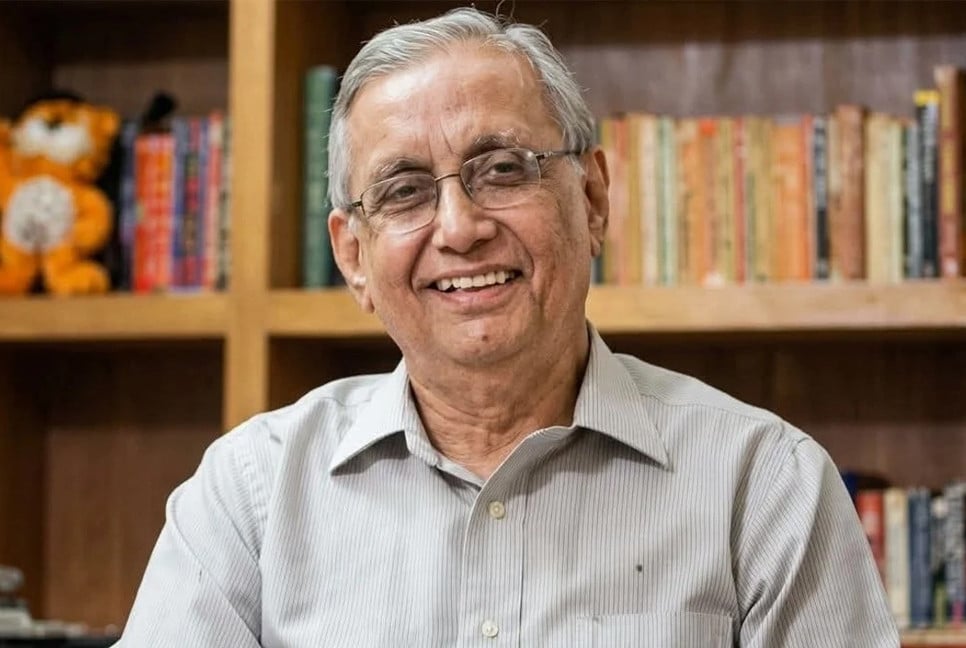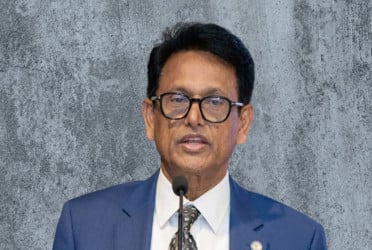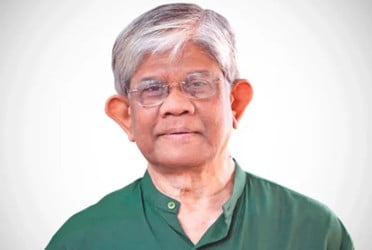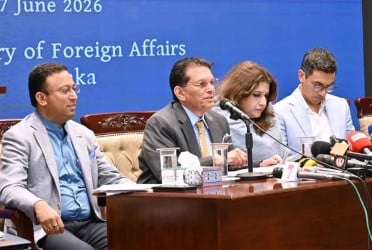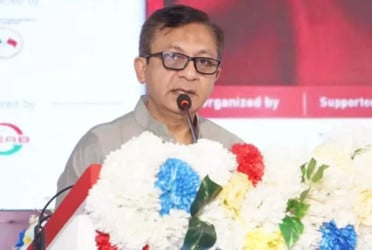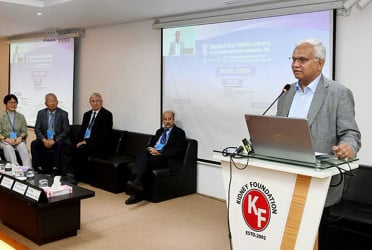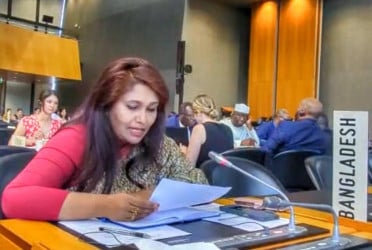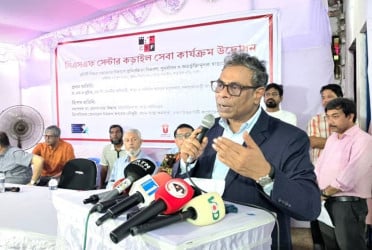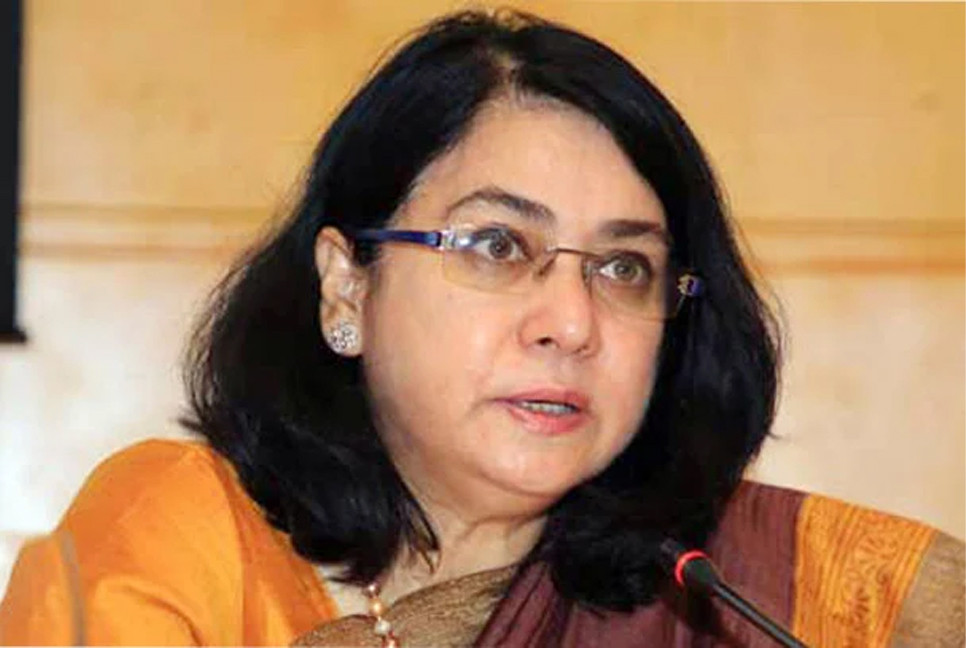
Country's economic recovery is being hindered by ongoing political instability, which is deterring both domestic and foreign investment, according to Dr Fahmida Khatun, Executive Director at the Centre for Policy Dialogue (CPD).
In an exclusive interview, Dr. Khatun emphasized that political uncertainty is a significant barrier to investment. “ No one wants to invest in an uncertain situation,” she stated. “This is hurting all domestic and foreign investments.”
Question: What is the status of the main indicators of the macroeconomics?
Dr Fahmida Khatun: After the fall of the fascist government, almost all the indicators of the macroeconomics were negative. Since then, some indicators have been improving, although slowly. The inflation rate is still high. The tax-GDP ratio is low.
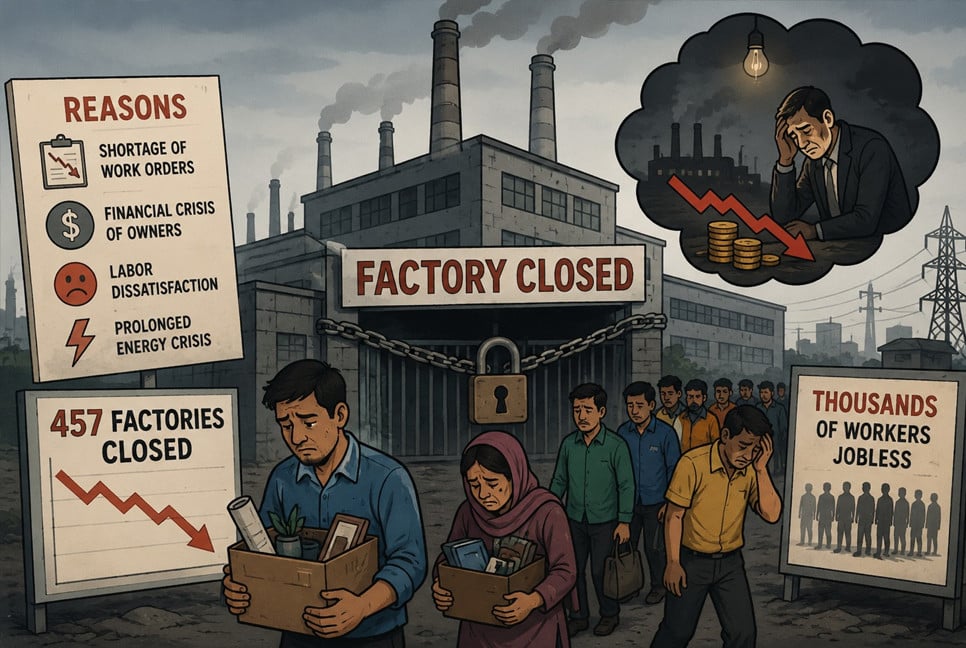
All domestic and foreign investments are low. The price of fuel is very high. A fragile situation prevails in the banking and financial sectors. Foreign debt liabilities are high.
Inflation rate has been decreasing slightly in the last 9 months. The downward trend in foreign exchange reserves has been stopped. GDP growth will be lower this year and next year. Earlier, there was a mix of information.
Economic activities have been affected by political unrest before and after July-August. Investment is not happening at all in such a situation. High interest rates and high fuel prices have put entrepreneurs under pressure. The production costs of businessmen have increased significantly. A process is underway to stop the decline in economic indicators and consolidate the achievements.
But there is political uncertainty. No one wants to invest in an uncertain situation. This is hurting all domestic and foreign investments. The central bank is raising the policy interest rate to rein in inflation. As a result, the interest rate on loans has increased. Those who are doing business and increasing production are borrowing at a higher cost.
Question: Can the challenges of this time be met with a traditional budget?
Dr Fahmida Khatun: The main goal of the new budget is to control inflation, increase investment and create employment. If government spending on annual development activities is reduced, employment will be reduced further. Unemployment rate is increasing due to reduced investment. If there is no investment, if economic activities do not increase, there will be no growth. There is a lot of demand for spending. The government's administrative expenditure is also not low. People have a lot of expectations. There is demand everywhere in physical infrastructure, energy, agriculture, industry. But to meet the expenditure, revenue income is needed. But the revenue income we are getting is very low. Our tax-GDP rate is still below 8 percent. Meeting the demand for huge expenditure with low income is a big challenge for our budget.
Question: What is the main challenge in implementing the budget?
Dr Fahmida Khatun: Earlier, while paying more attention to physical infrastructure, social infrastructure was neglected. Allocation management is also a challenge for the budget. On one hand, there is a shortage of money, on the other hand, there is high inflation. In such a situation, the government has to balance spending. Contractionary monetary policy is maintained, but if government expenditure increases, then this monetary policy will not work. Then inflation cannot be reduced. Contractionary monetary policy and contractionary fiscal policy—these two need to be coordinated.
Question: Is there a risk to revenue collection due to the division of the NBR?
Dr Fahmida Khatun: Of course. If the trend of revenue collection seen so far continues, there will be a huge deficit. The revenue deficit we have seen till last March is the lowest in the last 10 years except during the Covid-19 period. And the ongoing agitation of NBR officials is also affecting revenue collection. This will definitely affect overall revenue collection.
Question: Many steps are being taken in compliance with the IMF conditions. What impact can these steps have on the people and local industries?
Dr Fahmida Khatun: In the meantime, pressure has been created on the country's businesses. The business community is expressing their problems on various platforms. The cost of doing business has increased a lot due to the increase in interest rates, fuel prices and corruption. The entire economy will have to bear the impact. There will be a negative impact on production. So, we need to look at steps to provide facilities to businessmen next year.
Question: Businessmen are not making new investments. What is the way out of this situation?
Dr Fahmida Khatun: At the moment, we have to wait without touching the interest rate. But what the government can do now is to improve political stability. Improve the law and order situation. For example, if the roads are closed due to the movement, businessmen cannot bring and take goods. This is not a business-friendly environment. Therefore, improving political stability and law and order should be the main task of the government now.
Question: Will the announcement of the election date restore investor confidence?
Dr Fahmida Khatun: To a large extent. Because investors do not invest for a short period of time. It takes five to seven years for business returns. So they want to see political stability. Although it is being said that the election will be held by June next year; but uncertainty is working in people's minds. When the date is announced, an idea comes; which is very important in terms of business and economic conditions.
Question: What kind of measures should be included in the budget to increase employment?
Dr Fahmida Khatun: It is not possible to meet the challenge with a traditional budget. Employment cannot be created with government investment. Therefore, it will be better if the projects that have been undertaken earlier are completed. Some incentives are needed in small and medium enterprises (SMEs). Because many jobs are created here. Apart from this, investment in agriculture and the rural economy needs to be increased. Investment in villages creates many jobs. And new entrepreneurs (startups) in the technology sector need to be supported.
Question: What is your suggestion for implementing the government's reform agenda?
Dr Fahmida Khatun: Among the reform measures that have been taken, it is possible to implement the short-term recommendations. These should be implemented. To normalize or smooth the lives of the common people who are suffering due to increasing poverty, decreasing employment and increasing inflation, it is necessary to increase the social safety net and increase the activities of OMS in the open market.
(Translated by Tanvir Raihan)