The International Monetary Fund (IMF) has long been pressuring Bangladesh to reduce the burden of budget deficits and subsidies, and to carry out reforms in the overall financial sector, including the structural framework, banking system, and stock market. Additionally, it recommended splitting the National Board of Revenue (NBR) to curb irregularities and corruption and increase revenue collection. To meet the IMF’s conditions, Bangladesh was required to implement a new system for calculating its foreign exchange reserves and eliminate the cap on the dollar rate by adopting a crawling peg exchange system. Failure to comply with these conditions led the IMF to threaten suspension of installments under the ongoing $4.7 billion loan program.
To alleviate pressure on foreign exchange reserves, the interim government has continued the initiative introduced during the ousted Awami League regime. Moreover, a range of additional reforms are currently being implemented, with their full impact set to be reflected in the 2025–26 fiscal budget.
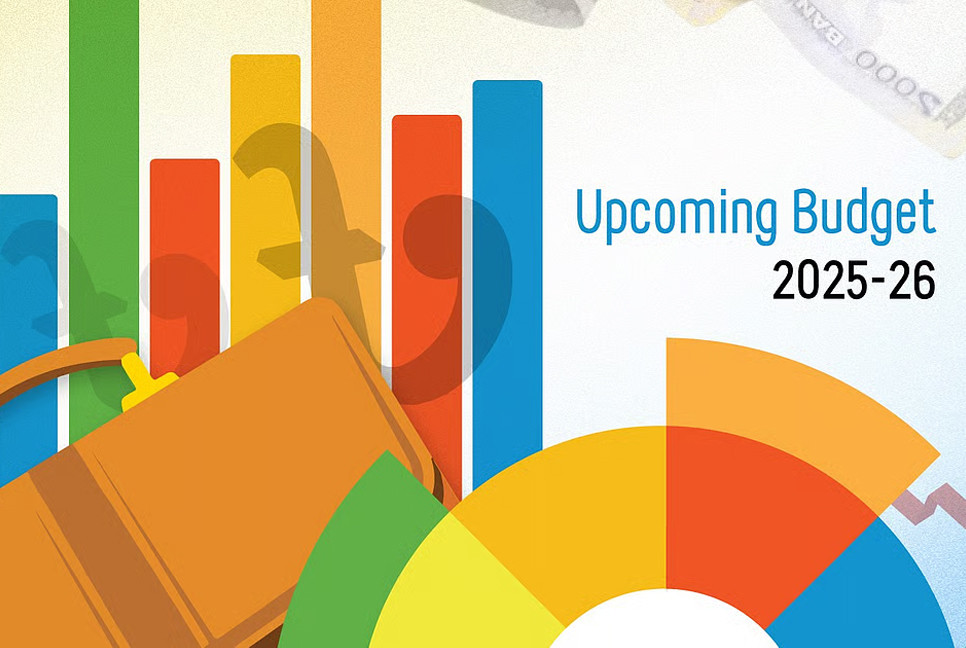
This was reflected in the current budget as well. As a result, the allocation for the new 2025–26 budget has been reduced by Tk 7,000 crore compared to the 2024–25 budget, bringing the total to Tk 7 lakh 89 thousand 998 crore (7.89998 trillion) .
For the first time since independence in 1971, the size of the national budget has been reduced compared to the previous fiscal year. The current budget was set at Tk 7 lakh 97 thousand (7.97 trillion), according to sources from the Finance Division.
Sources from the Finance Division also revealed that the upcoming budget will include a reduction in tariffs on 135 imported items, which is likely to result in lower prices for those goods. Simultaneously, following IMF recommendations, the NBR plans to eliminate tax exemption benefits for 31 industries and incorporate income from IT businesses into the taxable income bracket.
The next budget is likely to include special income tax relief for individuals injured in the 2024 student and public uprising who are officially recognized in the government gazette, mirroring the tax benefits granted to the freedom fighters of 1971.
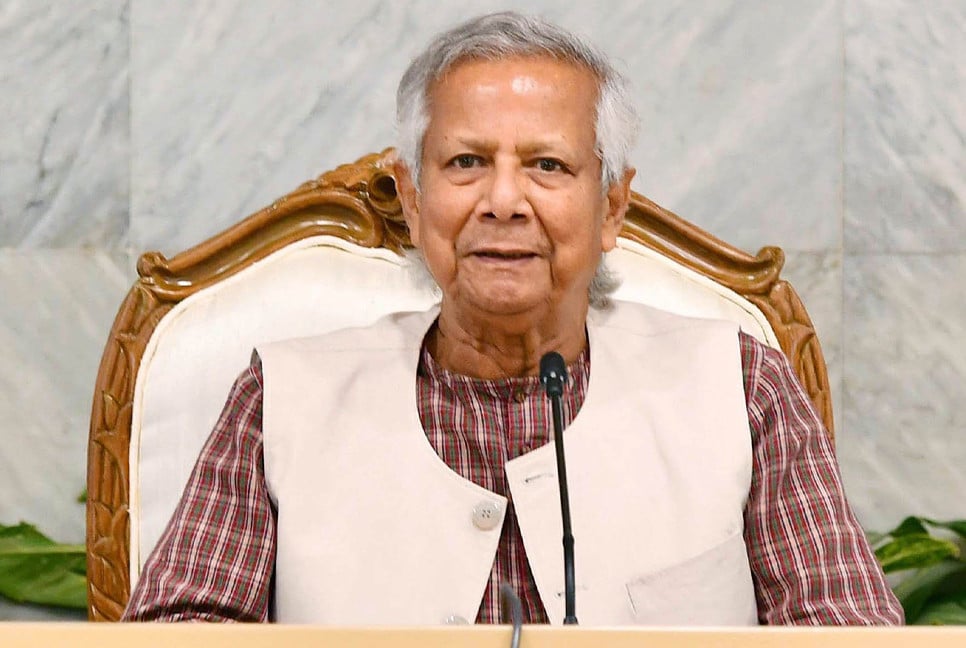
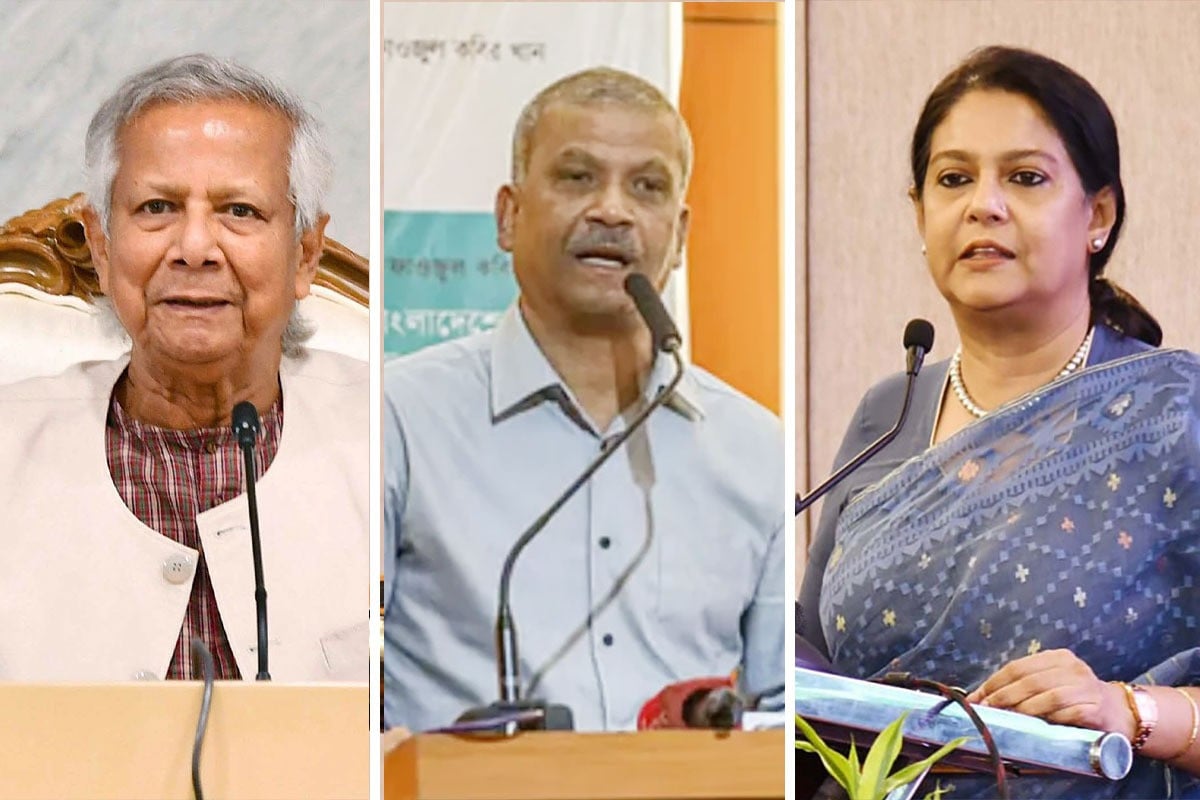
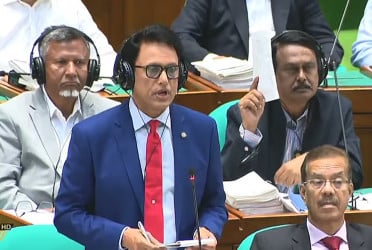
The interim government is preparing to announce this special budget during this transitional period when Parliament is not functioning. As such, Finance Advisor Dr. Salehuddin Ahmed will present the budget to the nation through a broadcast on Bangladesh Television.
Inflation control takes priority over growth
In the upcoming budget, inflation control remains the top priority. Instead of focusing on GDP growth, the government’s approach centers on boosting employment and investment. To contain the budget deficit, the overall size of the budget has been scaled down.
The National Board of Revenue (NBR) is currently under significant strain, and the government's move to abolish it and create two new departments through an ordinance has sparked ongoing demonstrations by its employees. Despite these mounting pressures, the new fiscal year will commence on July 1.
Tax-free income thresholds to rise
According to NBR sources, the tax-free income threshold for individual taxpayers will be increased from Tk 3.5 lakh to Tk 3.75 lakh. For freedom fighters, the threshold will be raised from Tk 5 lakh to Tk 5.25 lakh. In the upcoming budget, the NBR also plans to extend similar tax exemption benefits to the "July fighters," akin to those given to freedom fighters. These revised thresholds will apply to income earned between July 1, 2026, and June 30, 2027.
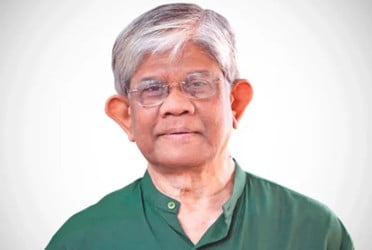
In accordance with the revenue targets outlined in the IMF’s $4.7 billion loan agreement, NBR officials have signaled major reforms to the existing tariff and tax structures. These adjustments could lead to higher tax burdens in certain sectors, while offering some relief in others. However, in areas where taxes are expected to increase, ordinary citizens may face added financial pressure. According to Dr. Hossain Zillur Rahman, Executive Chairman of the Power and Participation Research Centre (PPRC), this could ultimately raise the overall cost of living for the general population.
EC seeks nearly Tk 6,000 crore for 2,500 polls
According to the government's plan, the national parliamentary election is scheduled to be held by June of next year. To cover the expenses of organizing the election, the Ministry of Finance has allocated approximately Tk 2,100 crore in the upcoming fiscal year’s budget. This fund will be used by the Election Commission to conduct both the national and local government elections.
In addition, the Election Commission has requested a Tk 5,921.73 crore allocation in the 2025–26 budget to hold about 2,500 elections, including general and by-elections at city corporation, upazila, district, municipality, and union levels. In comparison, Tk 2,406 crore was allocated for the 2024 general elections, but the revised budget increased that to Tk 4,769 crore to meet actual expenses.
Salaries and interest payments to rise despite smaller budget
Despite the overall smaller budget size, allocations for interest payments and public servant salaries are increasing by about 11% to Tk 2,19,000 crore, which is approximately 28% of the total budget. Interest payments are followed by government salaries as a major expenditure. The current allocation for public sector salaries is Tk 82,990 crore (10.41% of the total budget), but this will be increased by 16% to nearly Tk 97,000 crore in the new budget.
Dearness allowance to add Tk 7,000 crore to spending
This hike is primarily due to the government’s plan to introduce a 15% dearness allowance for employees in grades 1–9 and a 20% allowance for those in grades 10–20. This benefit may take effect from July 1, costing the government an additional Tk 7,000 crore.
Bd-pratidin English/ Afia