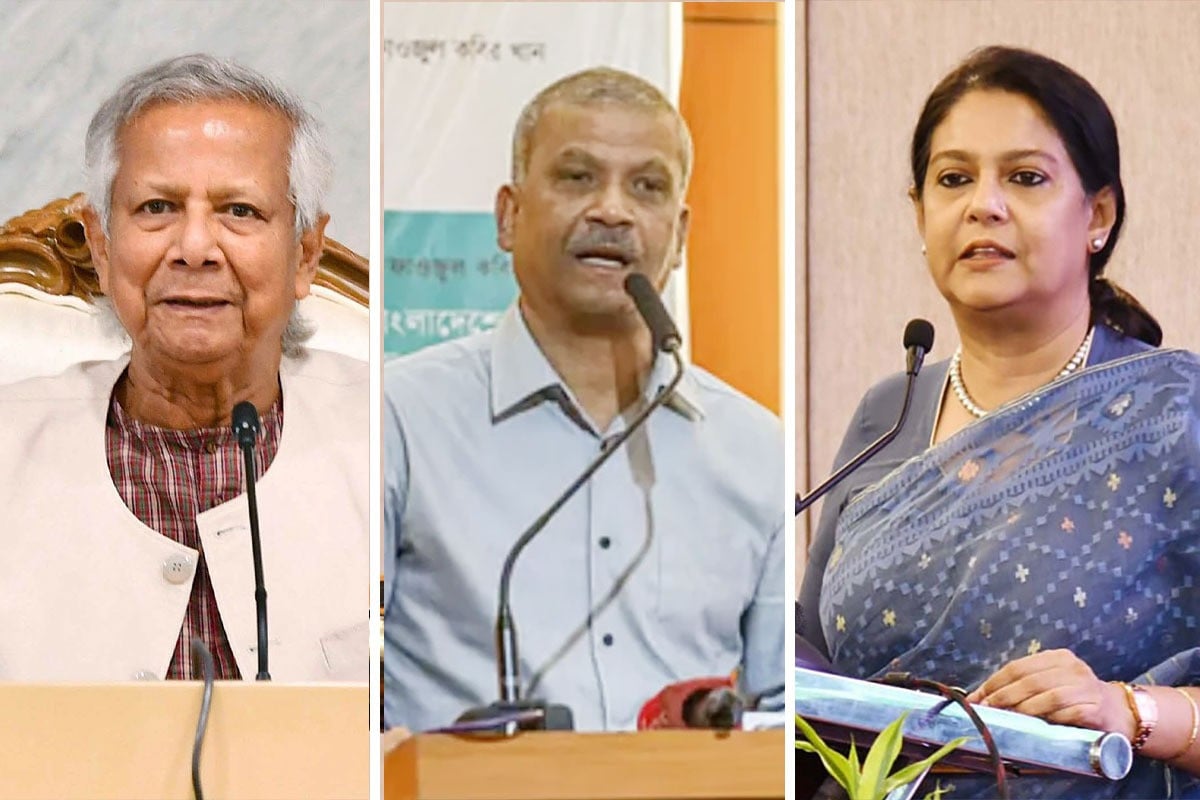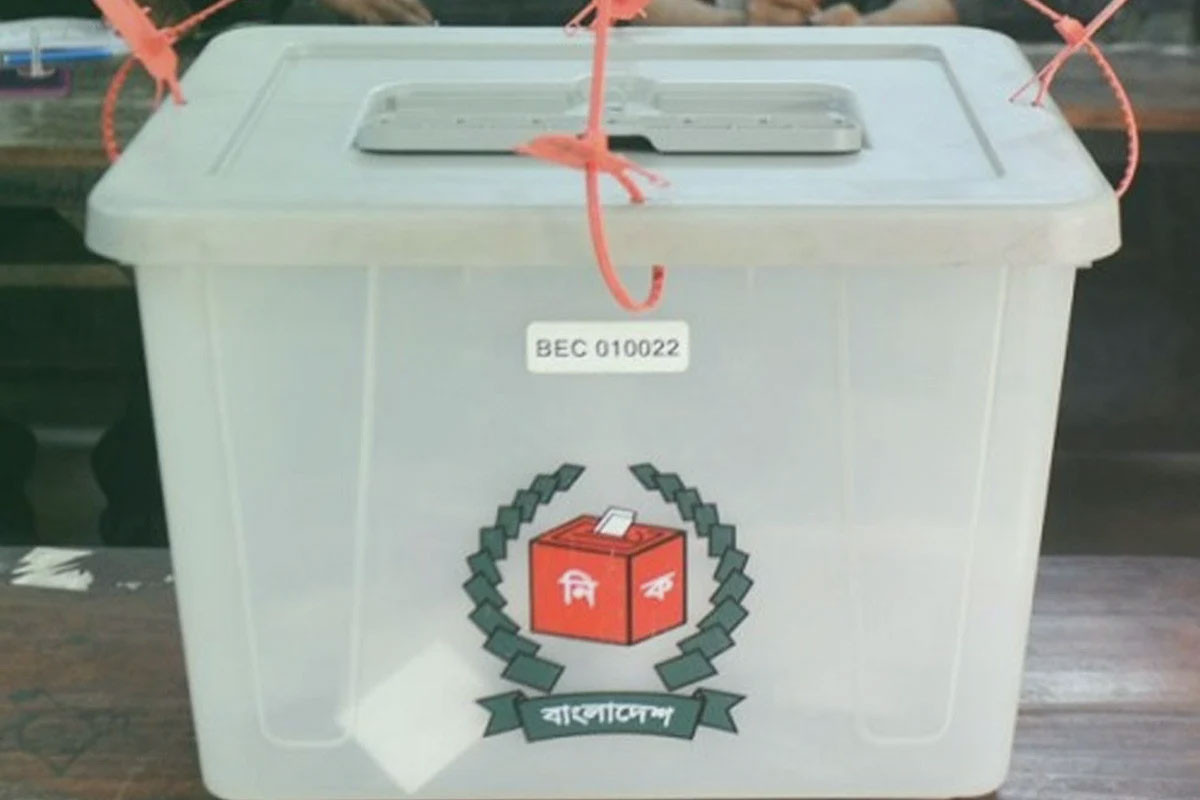
Why is it said that holding an election in 90 days is impossible? Three months is a considerable period in global political terms—enough time for governments to fall, reform to begin, or revolutions to ignite. In Bangladesh, the dictatorship of Hussain Muhammad Ershad crumbled in just 36 days of mass protest. Against such a backdrop, the notion that 90 days is insufficient to hold an election defies history. Let us revisit what three previous caretaker governments managed to achieve within the same time frame and reflect on what is missing today.
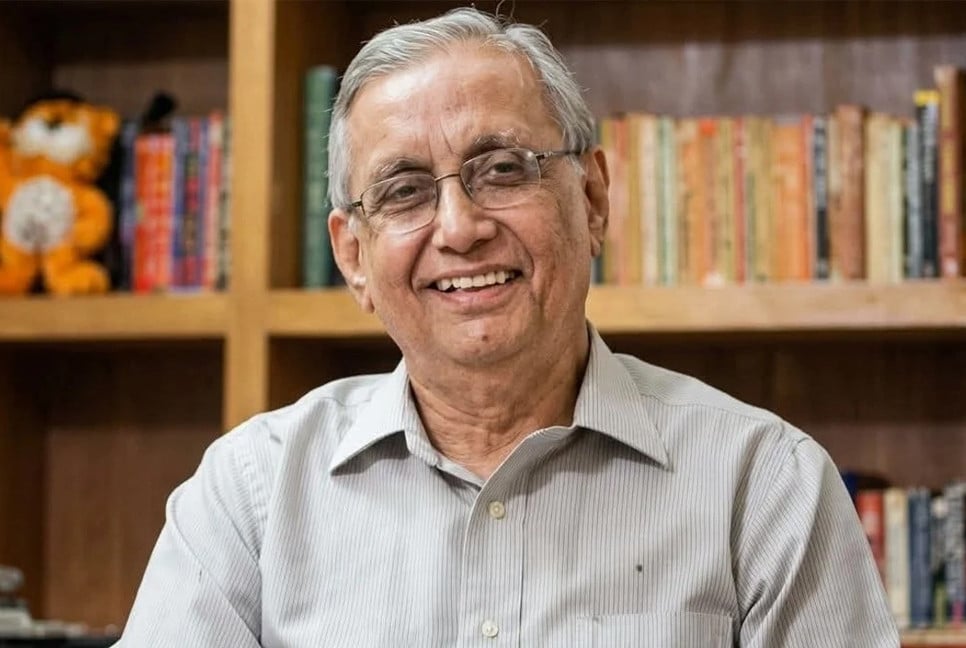
After the end of military rule in 1990, the first neutral caretaker government was formed under the leadership of Chief Justice Shahabuddin Ahmed. His selection came through the consensus of major political alliances, but on the firm condition that he would return to his post as Chief Justice after completing his duties. Despite the limitations, Shahabuddin Ahmed's administration became a model of efficiency. Within seven days of assuming office, the government repealed multiple repressive laws, including parts of the Special Powers Act and the Press and Publications Act, signaling a swift shift away from authoritarianism.
Shahabuddin’s government also achieved what had been stalled for decades—it separated the judiciary from the executive, ensuring an independent legal system. In just two weeks, it completed a sweeping administrative reshuffle, replacing nearly all secretaries linked to the previous regime and appointing new district commissioners across the country. The police administration was also overhauled at the field level, restoring neutrality and public confidence. Reforming the Election Commission, one of the principal demands at the time, was accomplished within a month. The newly empowered commission, headed by Justice Abdur Rauf, introduced a revised electoral code of conduct and oversaw a widely accepted national vote.
Beyond these reforms, Justice Shahabuddin Ahmed’s government initiated legal proceedings against Ershad, placing him under house arrest and beginning corruption trials. Several of Ershad’s key associates were also arrested and brought to justice. Furthermore, the government formed a corruption investigation commission led by Justice Ahsan Uddin, which completed and published its report on Ershad’s financial misconduct within just 45 days. What stands out is Shahabuddin’s relentless focus on democracy: he engaged in political dialogue with various parties on 47 of the 90 days and made only one necessary foreign trip. Every effort was directed at restoring electoral integrity and transferring power to the people.
The 1996 caretaker government led by Justice Habibur Rahman followed a similar path, demonstrating that swift and resolute action within a short constitutional mandate was both possible and effective. One of the most significant events during this period was the suppression of an attempted military coup led by General Nasim, who sought to remove President Abdur Rahman Biswas. Habibur Rahman's leadership during this crisis was pivotal. His direct address to the nation defused tension, protected civilian authority, and preserved the path to elections.
This caretaker government, which included Dr. Muhammad Yunus—now the head of the current interim administration—as an advisor, also took important institutional steps. It reconstituted the Election Commission, appointing Abu Hena as chief and amending electoral laws to improve accountability. The government prepared a new, transparent voter list to eliminate past errors and ensure legitimacy. Within just 15 days, it restructured the entire civil administration, from the field level to the secretariat, creating the conditions for a neutral electoral environment. The police were also reoriented to act impartially. Like his predecessor, Justice Habibur Rahman did not leave the country even once during his tenure and remained singularly committed to conducting a free and fair election.
In 2001, another caretaker government led by Justice Latifur Rahman came into office and continued the tradition of decisive governance. The speed of his actions was extraordinary. Immediately after his oath-taking ceremony, Latifur Rahman transferred thirteen secretaries—so quickly that many learned of their new postings while still sipping tea. Within seven days, he had implemented widespread changes in the administrative structure, restoring the balance needed for fair governance.
Law enforcement was also rapidly depoliticized. Within two weeks, sweeping changes in the police ensured a neutral force ahead of elections. However, one of the most daring and successful moves by this administration was its crackdown on illegal arms. Within a month, the government had seized thousands of illegal weapons and arrested notorious political operatives, including Joynal Hazari, despite vocal opposition from the ruling party at the time. Justice Latifur Rahman made only one brief foreign trip, underscoring his focus on national duties.
Taken together, the three caretaker governments not only demonstrate that 90 days is enough time to prepare for a fair and impartial election—they also prove it is possible to implement sweeping reforms, restore neutrality, and stabilize a volatile political climate. Each of these governments acted under constitutional deadlines and succeeded in fulfilling their responsibilities with urgency and integrity.
Globally, the caretaker model is rarely extended beyond three months. Bangladesh’s success in this model even inspired Pakistan to adopt a similar system, where their caretaker administration also completed electoral preparations within 90 days. The time-frame is not arbitrary—it’s designed to prevent power vacuum, ensure urgency, and uphold democratic accountability.
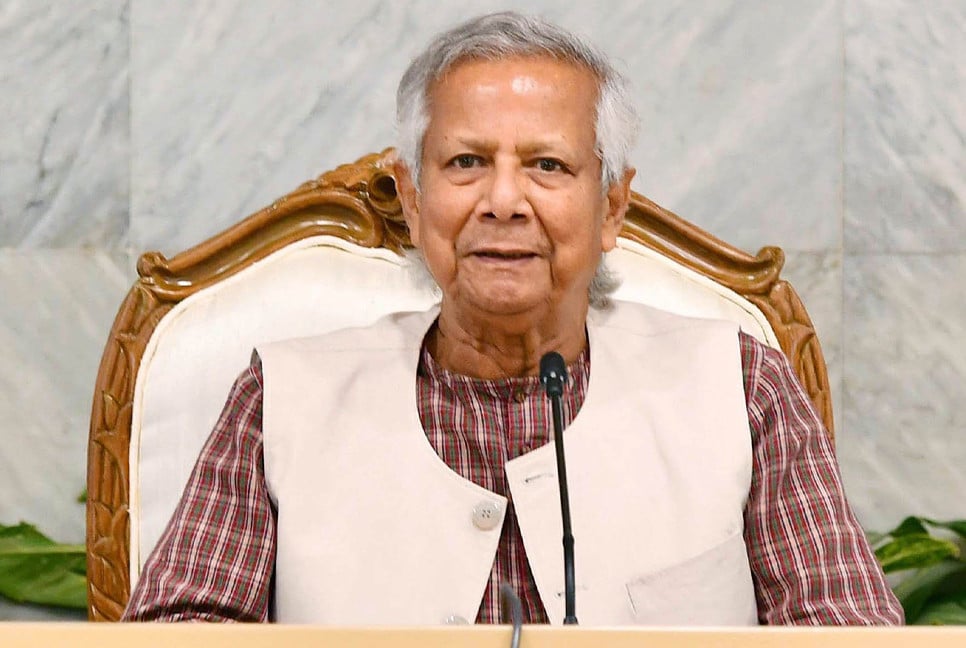
So why has the current interim government under Dr. Muhammad Yunus, in power for over 10 months, failed to accomplish even a fraction of what previous caretaker administrations did within three? Why have there been no major reforms, no decisive legal actions, and no transparent election preparations? The delay appears less a matter of capacity and more a question of will.
The people of Bangladesh are now asking—if past governments could build electoral institutions, prosecute corruption, neutralize law enforcement, and conduct credible national polls in just 90 days, what exactly is stopping the present interim authority? The excuse that 90 days is not enough no longer holds weight. History has already provided the answer.
Bd-pratidin English/ Jisan