The ancient Charvakas philosophy of “while life remains, let a man live happily, let him feed on ghee even though he runs in debt” may have sounded appealing in another age, but it holds no place in today’s economy. Everyone now understands that unchecked borrowing leads to stagnation, dependency, and eventual decline. Whether for individuals or nations, excessive debt limits options and threatens future prosperity. Is Bangladesh heading down that same path?
On June 2, Finance Advisor Salehuddin Ahmed is scheduled to present the national budget for the 2025–26 fiscal year, with a modest 5% growth target. The proposed budget is not only smaller in size but also alarmingly dependent on debt, with no clear strategy to revitalize the private sector—the traditional engine of the nation’s economy.
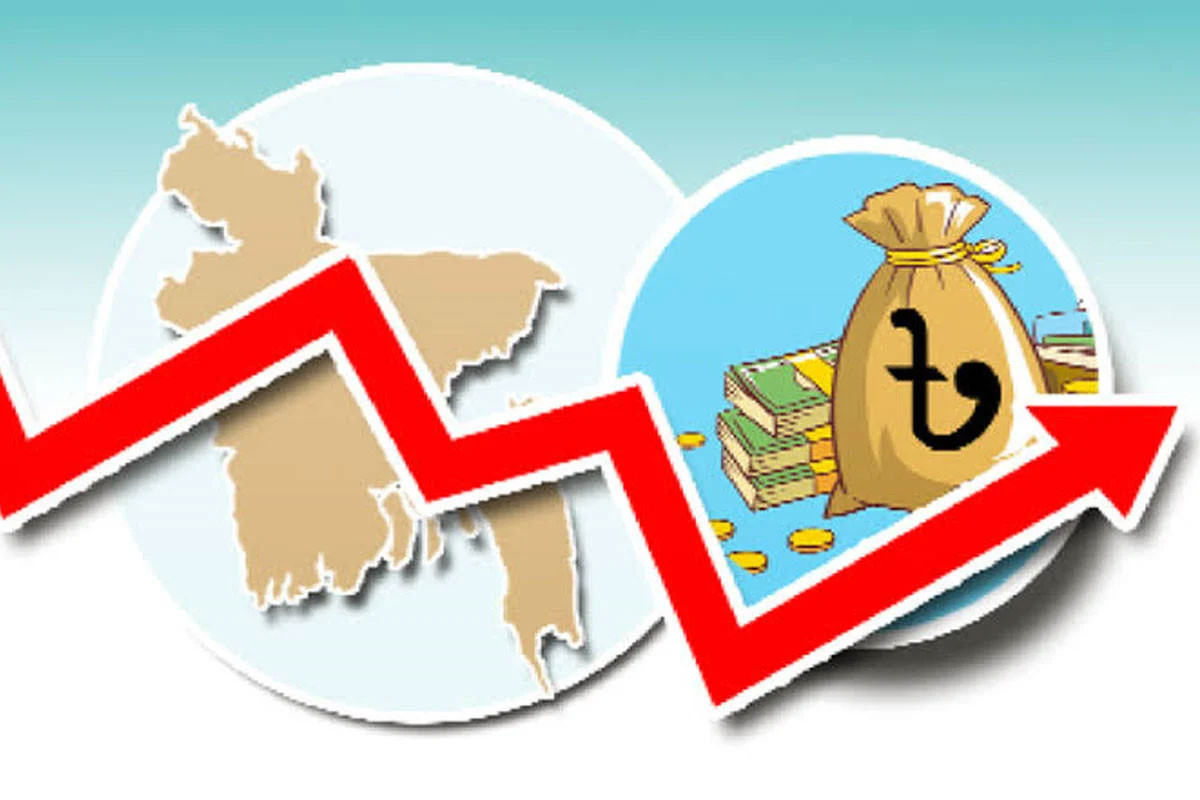
When the interim government assumed power, it vowed to reduce debt. But over the past 10 months, borrowing has become the default economic policy. The government is scrambling to secure funds from every available source, sacrificing autonomy in the process. Bangladesh’s total public debt now stands at $103 billion, with per capita debt reaching $700—about 1 lakh taka per citizen. Every newborn enters the world under this burden.
Most concerning is that 45% of the country’s GDP is now financed by debt. Economists warn that when this figure crosses 40%, it begins to jeopardize national economic stability. Dependency on debt comes with strings attached. Lenders impose strict conditions, limiting national decision-making capacity and sovereignty. This is why fostering a self-sustaining economy—particularly by empowering the private sector—is crucial.
However, instead of focusing on increasing production or export capacity, the government has spent the last year pointing fingers at foreign partners and deepening its reliance on external loans. The Finance Ministry appears to have adopted a suicidal debt-driven strategy, leaving the economy more fragile.
Export performance, a major growth pillar, has seen little progress. If proposed U.S. tariffs take effect, Bangladesh’s economy could face a severe shock. Meanwhile, strained relations with India have led to halted garment transits and a freeze on imports from Bangladesh into the Seven Sisters region. Unless diplomatic relations improve, the economic toll will grow.
Worse still, the private sector—Bangladesh’s primary growth engine—is under siege. Since August 5, the business community has faced an onslaught: industrial sites attacked, factories dismantled, bank accounts frozen, and legal harassment escalated. According to official figures, 773 industrial establishments have been attacked, while 15,000 cases—many reportedly fabricated—have been filed. A staggering 35,773 businessmen are currently entangled in legal trouble.
This wave of repression has choked economic activity. No new domestic industrial ventures have been launched since August. Those who had plans are now in limbo, anxiously waiting to see how the situation unfolds. According to BFIU, 6,500 bank accounts have been frozen, 4,000 of which belong to businesspeople. Without access to capital, how can businesses function?
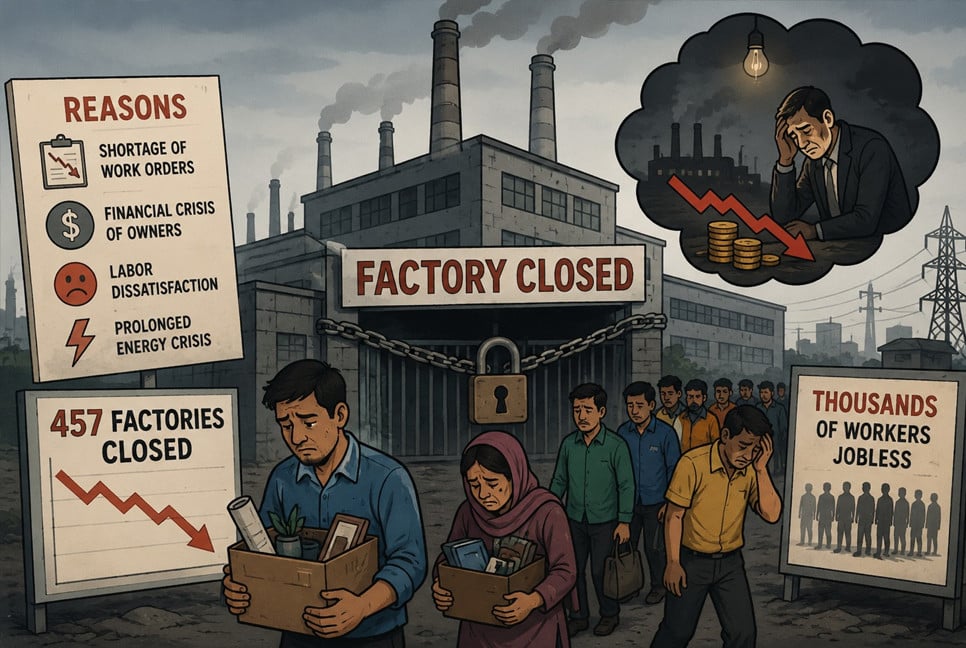
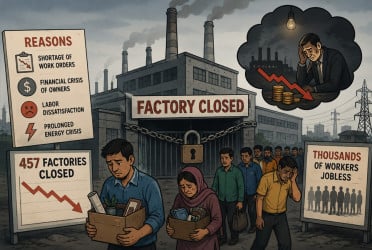
The result is a slow-motion economic collapse. Over the last 10 months, 3,500 businesses have shut down, leaving several lakh workers jobless. The broader economy is now paying the price. Yet the government has not offered a single substantive plan to support or stabilize the private sector in the upcoming budget.
Instead of recognizing business leaders as partners, officials are branding them as “fascist agents” or stooges of the previous regime. This narrative is both unfair and dangerous. In Bangladesh, navigating bureaucracy requires political proximity. For the last 15 years, entrepreneurs have had to rely on political ties to access permits, gas lines, and trade licenses. Are they criminals for adapting to a flawed system?
Business-people don’t just work for profit; they sustain jobs, support families, and contribute to national development. Around the world, governments are partnering with their private sectors to drive growth. Bangladesh, meanwhile, is doing the opposite—alienating the very actors who keep its economy afloat.
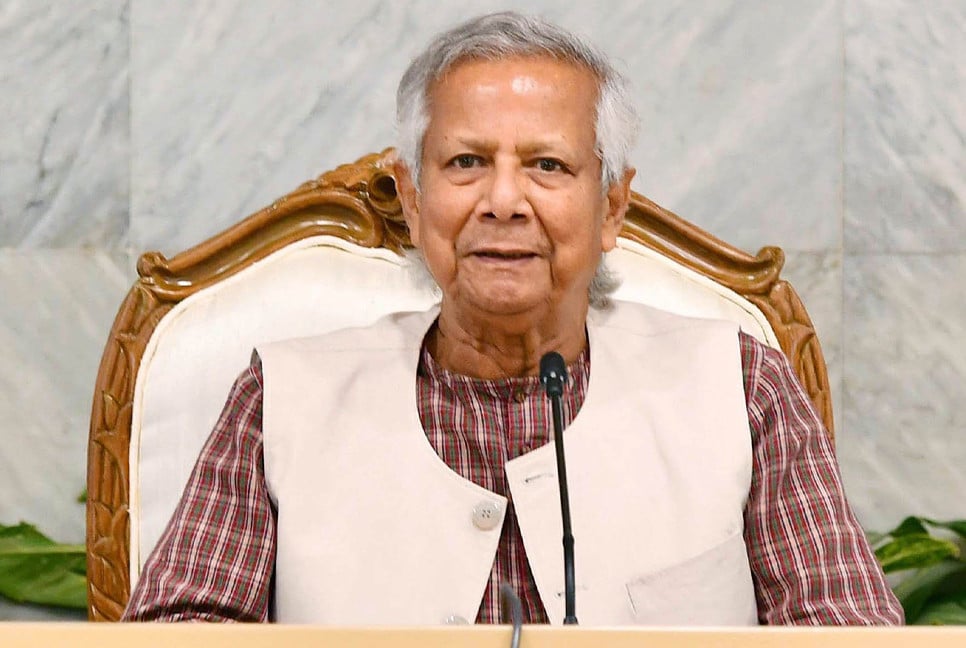
While the private sector crumbles, government officials are courting international lenders: IMF, World Bank, ADP, China, Japan—anyone willing to help. But loans come with costs. Dr. Muhammad Yunus even personally appealed to global institutions to expedite funds. Yet the response has been underwhelming. The IMF withheld a loan installment, demanding policy reforms first.
One such condition—floating the dollar exchange rate—has already shown its downside. The open market dollar rate is soaring, raising import costs and inflation. Additionally, the IMF required the NBR to be split into two agencies, sparking internal unrest and government backpedaling. But unless these changes are implemented, foreign funds won’t flow.
Yes, loans can offer short-term relief—but they cannot build the “Golden Bengal” of national dreams. The attached conditions often hurt the public, imposing new taxes and austerity. If we keep borrowing blindly, the price will be paid by everyday citizens.
The solution lies not in more borrowing, but in empowering the private sector. The government must immediately halt harassment, withdraw politically motivated cases, unfreeze business accounts, and end media trials of entrepreneurs. The Anti-Corruption Commission must act responsibly, not as a political tool. Bangladesh cannot afford to destroy its economy for the sake of vendettas.
To escape this crisis, we must stop vilifying those who create wealth and employment. Instead, we must stand with the private sector, restore investor confidence, and promote business-friendly reforms. Only then can Bangladesh reclaim its path to prosperity—free from the chains of debt and fear.
Bd-pratidin English/ Jisan