A sense of political suffocation now grips Bangladesh. Much like the eerie calm that precedes a violent storm, the nation's political atmosphere is tense with uncertainty and growing anxiety over what the coming days may bring.
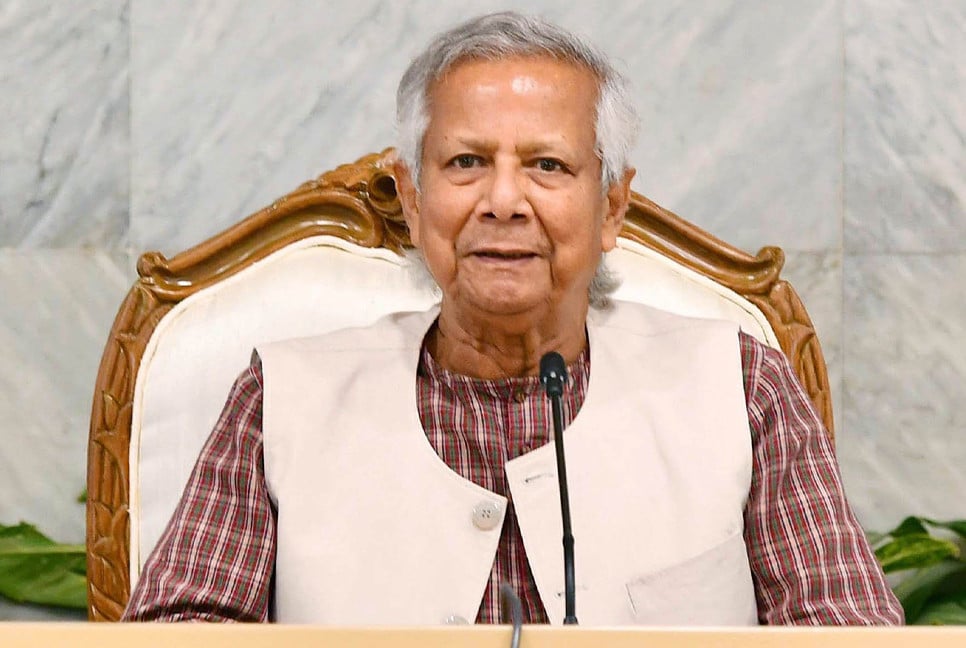
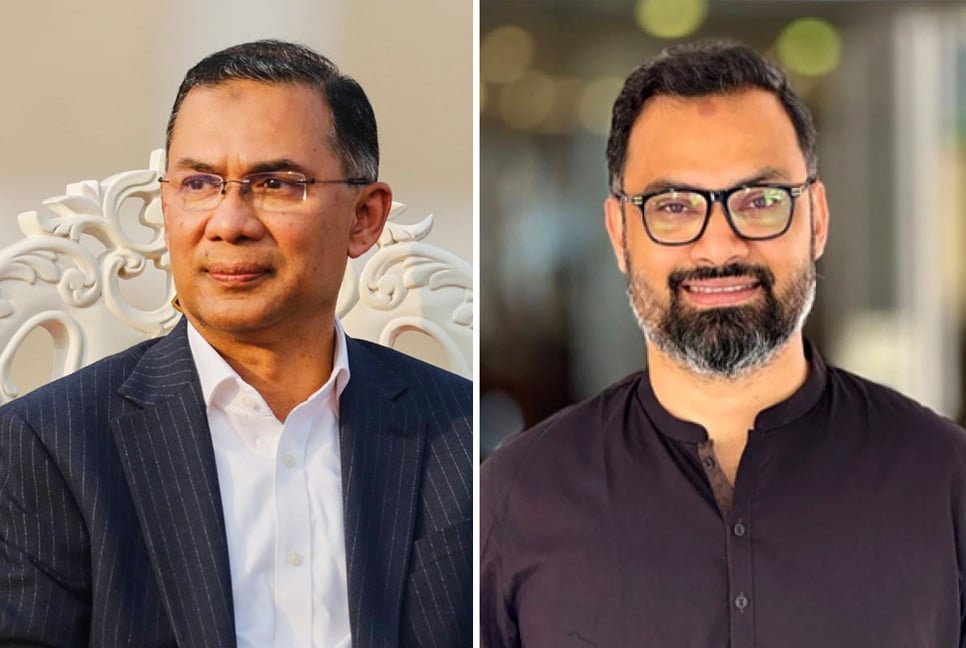
On Thursday evening, rumours began circulating that the Chief Adviser to the interim government, Nobel Peace Laureate Professor Muhammad Yunus, was planning to resign. Nahid Islam, convenor of the Nationalist Citizens' Party (NCP), told the BBC that Dr Yunus was “frustrated and angry” and contemplating resignation. Earlier that evening, Nahid met with the Chief Adviser.
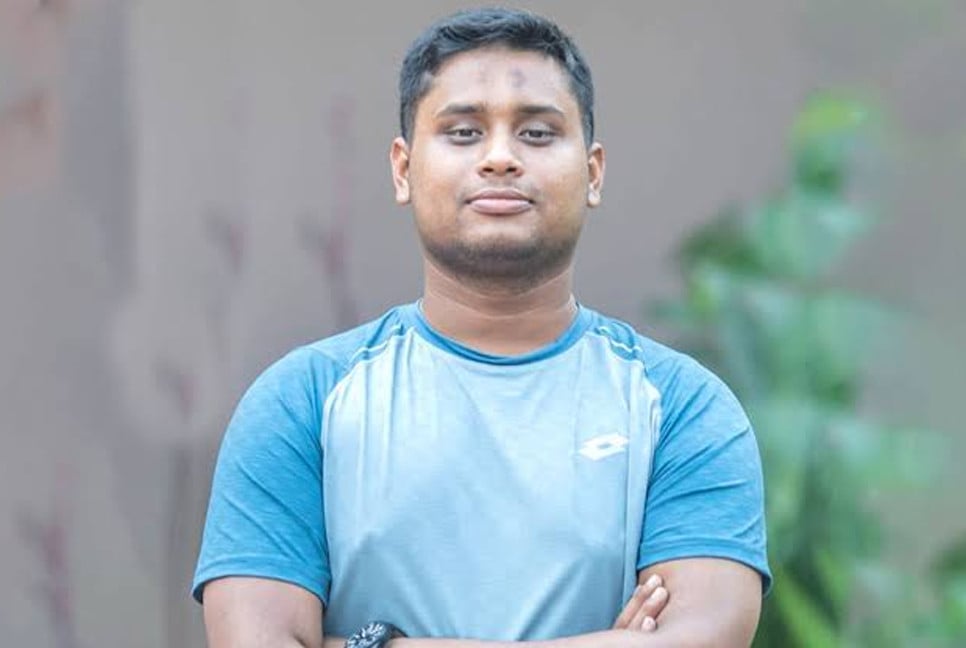
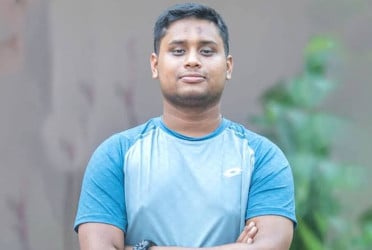
Nahid Islam, one of the key figures behind last July’s mass uprising and instrumental in nominating Dr Yunus as head of the interim government, had initially served as a student representative in the advisory council. He later resigned to take on leadership of the NCP. His meeting with Dr Yunus stirred considerable political speculation.
According to media reports, during the advisory council’s regular meeting on Thursday afternoon, Dr Yunus expressed concern over the current state of affairs. Issues such as persistent road blockades, lack of political consensus on reforms, and institutional non-cooperation were discussed. Dr Yunus is said to have questioned the rationale for his continued service, noting that meaningful reform had yet to take shape.
After meeting with Nahid, two student advisers—Asif Mahmud Sajib Bhuiyan and Mahfuz Alam—also visited Dr Yunus, who reportedly shared similar concerns with them.
Bangladesh now faces a deep crisis. Dr Yunus is not only the moral guardian of the nation, but a global icon for peace. Were he to resign at this critical juncture, Bangladesh could be plunged into chaos. A civil conflict is not unthinkable. Surely, he would not want that.
We firmly believe Dr Yunus loves this country and carries a strong sense of duty. This wise and responsible man will not abandon the people of Bangladesh in such precarious circumstances. We expect him to act responsibly, and the nation must support him. The only viable path out of this crisis is an election—an idea voiced repeatedly by the people and the armed forces.
On Wednesday, the Chief of Army Staff outlined a clear democratic roadmap, urging for a free, fair, and neutral election by December. This must now be the united focus of the nation. Dr Yunus is competent and capable. A national election within three months is entirely possible. Past caretaker governments held elections within the same timeframe in 1990, 1996, and 2001. Why should this be any different?
The longer the interim government delays elections, the more unrest, demands, and conspiracies will emerge. Everyone will seek to advance their interests. The result will be deeper instability and disorder. Had Dr Yunus initiated the electoral process immediately upon assuming office, we might have avoided the current crisis. Reaching consensus on electoral and constitutional reforms and forming a new Election Commission would have set the nation on a different course.
Now, not only Dr Yunus, but the entire nation is disillusioned and frustrated. If he does resign, Bangladesh will be thrown into darkness.
Dr Yunus is a fighter. He put Bangladesh on the global map with his visionary work. From the remote village of Jobra, he built the Grameen Bank, transforming millions of lives through microcredit. The idea that he would simply give up is unimaginable. If he withdraws now, Bangladesh’s last hope for a peaceful transition may be lost. Violence and unrest will escalate, which none of us want.
We want to move forward as a nation, and we hope Dr Yunus will not let us down. What the country needs is not resignation, but the immediate announcement of an election roadmap. Once a duly elected government assumes power, the current instability will subside.
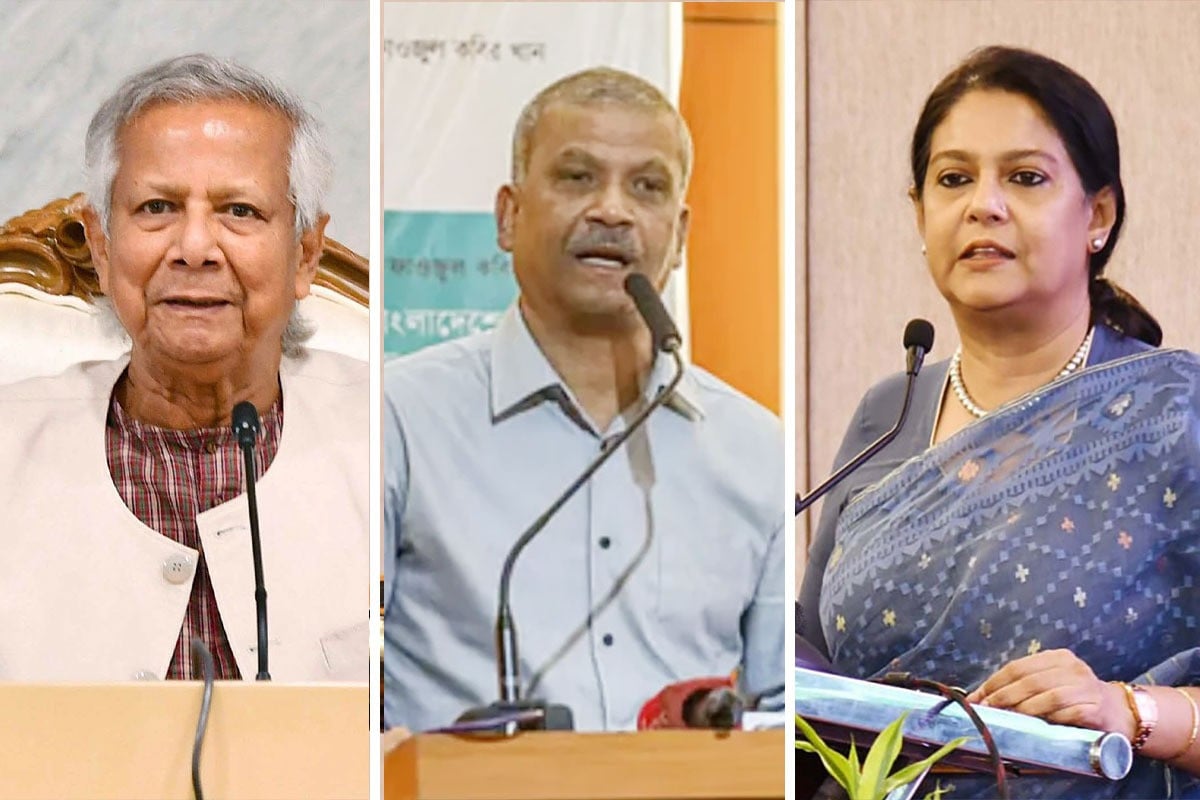
Over the last nine months, numerous controversies have surrounded various advisers. With time, these disputes will only intensify. Both the BNP and the NCP have called for the resignation of three advisers. Half the advisory council is now facing criticism. The longer this drags on, the deeper the public mistrust will grow.
Before the situation spirals further out of control, we must find a solution. And the only viable one is a transition of power to an elected government—returning sovereignty to the people. The people and the armed forces share this desire. Dr Yunus must now lead the nation by announcing an election roadmap without further delay. If a credible and inclusive election is held within the next three months, Bangladesh will be saved—and Dr Yunus will be remembered in history as a national saviour.
Mr Chief Adviser, you once said Bangladesh stands at the threshold of a rare and remarkable opportunity. You alone can fulfil that promise. If you resign now, that opportunity will be lost.
You’ve created so much—now lead Bangladesh to peace. You are the guardian of the nation. The people look up to you. This is not the time to resign. You must steer this ship to safety.
The armed forces stand by you. The people stand by you. You know better than anyone what needs to be done. Still, the people believe your top priorities should be:
Convene an all-party dialogue immediately.
Sign a national consensus agreement based on the points where political parties already agree—particularly those arising from the July uprising.
Announce a concrete election roadmap and transform the interim government into a non-partisan caretaker government.
The sooner this decision is made, the sooner the country will be free from turmoil. Otherwise, disappointment will engulf you and the nation alike.
There are very few figures in Bangladesh who command the trust and reverence of the entire population. You are one of them. Please don’t abandon this nation mid-journey. Sit with all sides. Give us an election. Be the beacon of democracy we so desperately need.
The writer is a playwright and columnist
Email: [email protected]