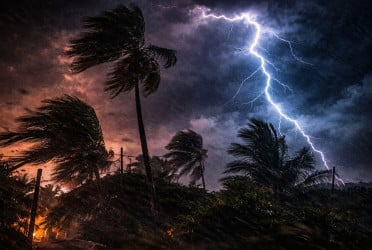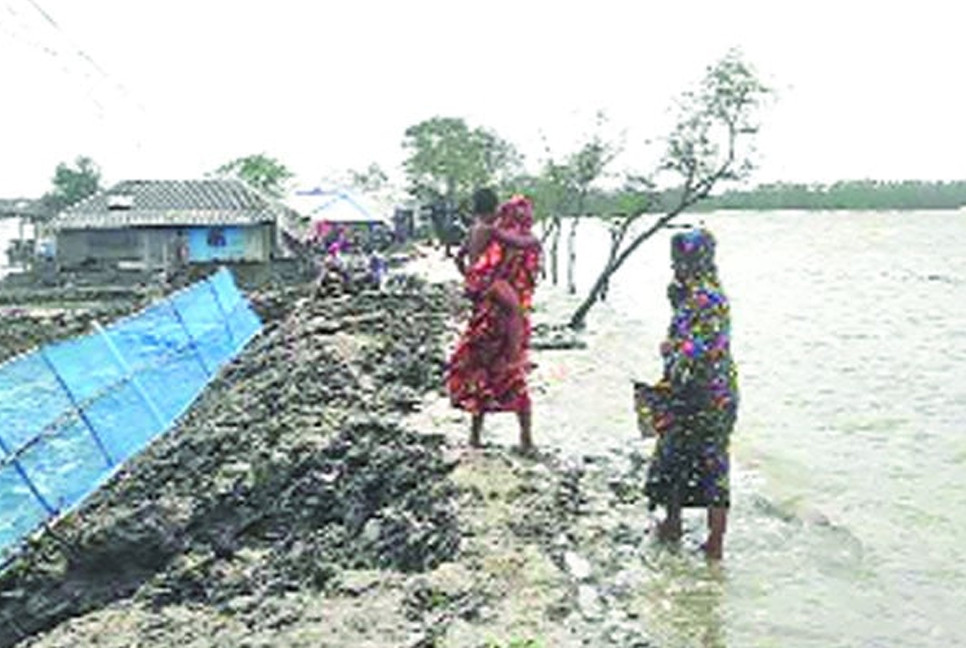
Environmental challenges in natural disasters have a disproportionate impact on women and girls.
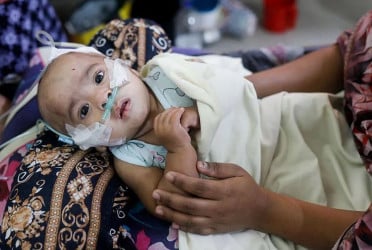
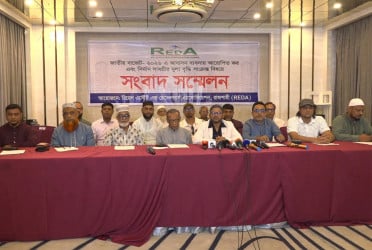
According to 61 percent of women, the roads to the shelters are not adequate, and according to 49 percent, the sanitation system there is very weak. This especially affects pregnant women, the elderly, and children and adolescents. The lack of resources and social complications in the post-disaster period make women and adolescents even more vulnerable. This information was published in the report 'Research on Disaster Vulnerability of Women and Girls in Coastal Areas' on Thursday.
This research was conducted by the Southern Child Environment and Development Organization JJS and Shapla Neer. The study says that women face certain hardships in disasters. Many also face sexual harassment in shelters. Risky environments increase the tendency of violence against women, reduce opportunities for education, and create obstacles in receiving humanitarian assistance during disasters.
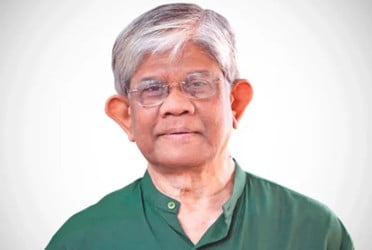
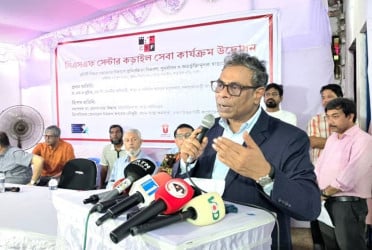
Mostafizur Rahman, head of the research team and associate professor at Khulna University, said that in the post-disaster period, the lack of resources and social complications make women and adolescents more vulnerable. Poverty increases and women's decision-making power is marginalized.
The study raised 11-point recommendations to resolve the crisis. These recommendations include having separate sanitation and rest facilities for women in shelter centers, forming women-led teams from the union to ward levels and including their opinions in disaster management, etc.
There was a demand to create opportunities for small entrepreneurs, make the initiatives sustainable through training, market linkages and permanent cooperation.
In addition, there was a demand to establish a source of safe water, build flood-resistant toilets, use speedboat ambulances to treat pregnant and sick people during cyclones, recruit trained female health workers, form an 'Emergency Medical Fund' through the Union Parishad, and develop women-led shelter center management and sanitation systems. The speakers said that if women's experiences and needs are included in national plans, women will be able to bounce back with confidence even in future disasters.
(Translated by Lutful Hoque)