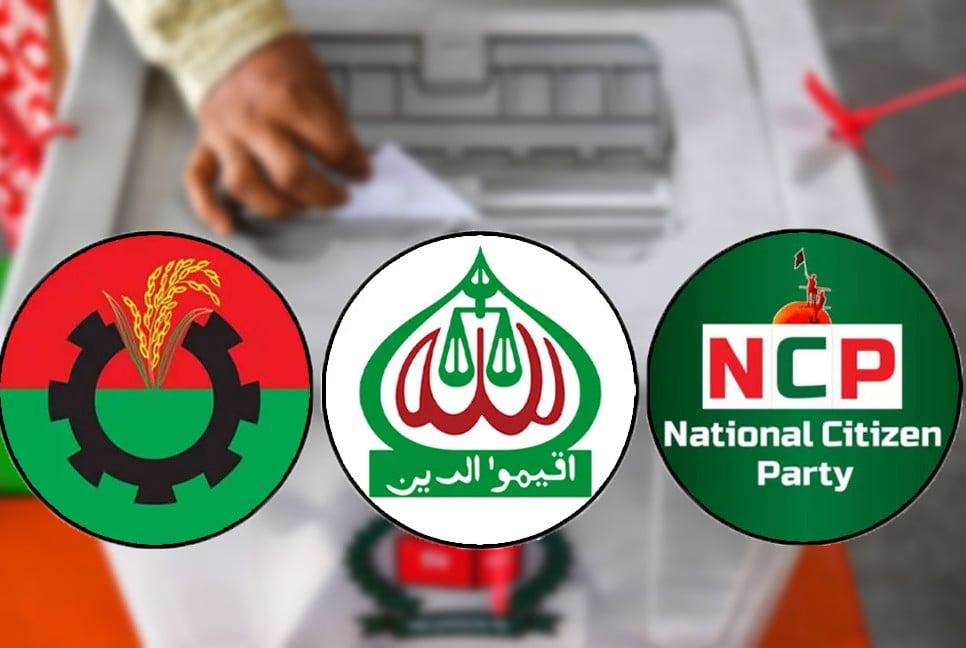
The country’s major political parties are intensifying discussions over the timing of national elections and the scope of necessary reforms, revealing sharp divisions ahead of a potential December vote.
The Bangladesh Nationalist Party (BNP) has launched a series of meetings with leftist, centrist, and Islamic parties to form an “all-party public opinion” supporting elections by December, following minimum reforms. The party has positioned itself as a unifying force among those involved in the anti-government movement that led to the fall of former Prime Minister Sheikh Hasina’s administration.
Meanwhile, the National Citizen Party (NCP), formed by former student leaders of the mass uprising, and Jamaat-e-Islami are calling for elections only after extensive reforms and accountability measures are implemented, including trials of alleged state crimes.
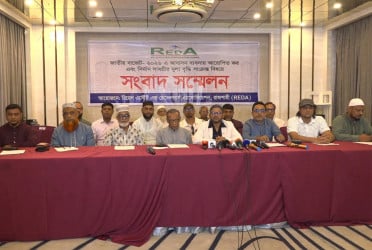
BNP is holding a series of meetings to form an 'all-party public opinion': The party wants to form an all-party consensus to hold national elections by December this year. To this end, it has already held meetings with the CPB, BSD and the left-wing parties and the People's Rights Council on Sunday. Earlier on Saturday, BNP liaison committee chief Nazrul Islam Khan and standing committee member Selima Rahman met with leaders of the 12-party alliance. On Monday, the Bangladesh Labor Party and the Nationalist Like-Minded Alliance participated in a meeting with BNP. Apart from these, senior BNP leaders are in touch with some Islamist and Tariqat parties.
The chairman of one of the parties told reporters that he and his party leaders are working to form a unified platform ahead of the elections. They may have an electoral agreement with BNP.
BNP standing committee member Nazrul Islam Khan said, “We have started discussions with all those who were on the streets in the anti-fascist movement on what can be done. After this discussion, the countrymen will be informed about what can or cannot be done.”
Another standing committee member Iqbal Hasan Mahmud Tuku said, “BNP wants to build greater unity among political parties on the issue of elections by next December.”
National People's Party Chairman Dr. Fariduzzaman Farhad said, “In a meeting with BNP, we have voted in favor of holding elections by December.” He mentioned that after December, there is a fear of many natural disasters in our country. In addition, Ramadan will begin. In that case, December is the right time for national elections.
Jamaat and NCP are meeting to demand elections after reforms: Jamaat-e-Islami, Islami Andolan, NCP and several other Islamic parties do not want to hold elections by December. These parties are publicly demanding elections after the reforms are completed and the trial of the Awami League begins.
Jamaat said that the trial of murderers must be visible and necessary reforms must be carried out before the elections.
Party Secretary General Professor Mia Golam Parwar said at a rally in Bandarban on Saturday that Jamaat will consider going to the elections within the framework announced by the interim government if the three minimum conditions for reforms are met.
Explaining the three conditions, he said, first of all, the constitutional institutions of the state, including the Election Commission and the judiciary, must be reformed by amending the constitution. The criminals against humanity of the fascist government, including Sheikh Hasina, must be arrested and brought to trial. The other is the introduction of the proportional representation election system.
Meanwhile, on August 5, in the new context of the fall of Sheikh Hasina, Jamaat held meetings with various political parties and organizations.
Among them, Charmonai Pir's Islami Andolon Bangladesh, 12-Party Alliance, Zaker Party, Labor Party, Khilafat Majlis and Faraiji Andolon are notable.
In addition, the Jamaat Ameer held separate exchanges of views with various madrasa teachers and scholars at the individual level, including Khilafat Majlis Secretary General Maulana Mamunul Haque, Hefazat-e-Islam Joint Secretary General Azizul Haque Islamabadi, Bangladesh Nejam-e-Islam Party Senior Nayeb Ameer Abdul Majed Atahari, Bangladesh Khilafat Movement (Part) Ameer Abu Jafar Qasemi, Jamia Madaniya Muhtamim Moniruzzaman Qasemi, Janaseba Andolan Ameer Fakhrul Islam.
Meanwhile, the NCP, which led the mass uprising, has started a meeting demanding reforms after the elections. It held a meeting with the Khilafat Majlis in Purana Paltan on Sunday. In the meeting, both parties demanded constitutional recognition of the dignity of martyrs in the mass uprising; trial of the Awami League, suspension of the party's registration and ban on political and organizational activities; The July Uprising, the Shapla Chattar massacre, the Peelkhana BDR massacre, and the speedy trial of those involved in disappearances, murders, and killings in the past 15 years; The July Charter has been formulated on the basis of consensus for fundamental reforms and the election system has been agreed upon quickly.
NCP Chief Coordinator Nasiruddin Patwari stressed that elections should only follow the full implementation of the National Consensus Commission’s recommendations. He called for electoral reforms including tighter financial scrutiny of candidates, measures to prevent convicted individuals or defaulters from contesting elections, and a mechanism to safeguard the voting rights of expatriates.
“If reforms are not implemented, it will not be possible to hold credible elections,” Patwari said.
Bd-pratidin English/Tanvir Raihan