All the political parties are eagerly waiting for the national elections. The political parties, including BNP, have been asking for announcing the election roadmap over and again. However, the interim government wants to reform the state structure to ensure free, fair and participative elections. The student leaderships and political parties of July mass uprising also want the reforms. But, the reform process is going on in very slow pace and the political parties are worried about the delay of elections due to the slow process of reforms.
The National Consensus Commission had sought opinions from 39 political parties, both registered and unregistered with the Election Commission, on the reform. Although opinions were sought by March 13, 34 political parties submitted their opinions by April 15. The National Consensus Commission began formal discussions with political parties on March 20, but it was able to complete initial discussions with only 12 parties as of Wednesday.
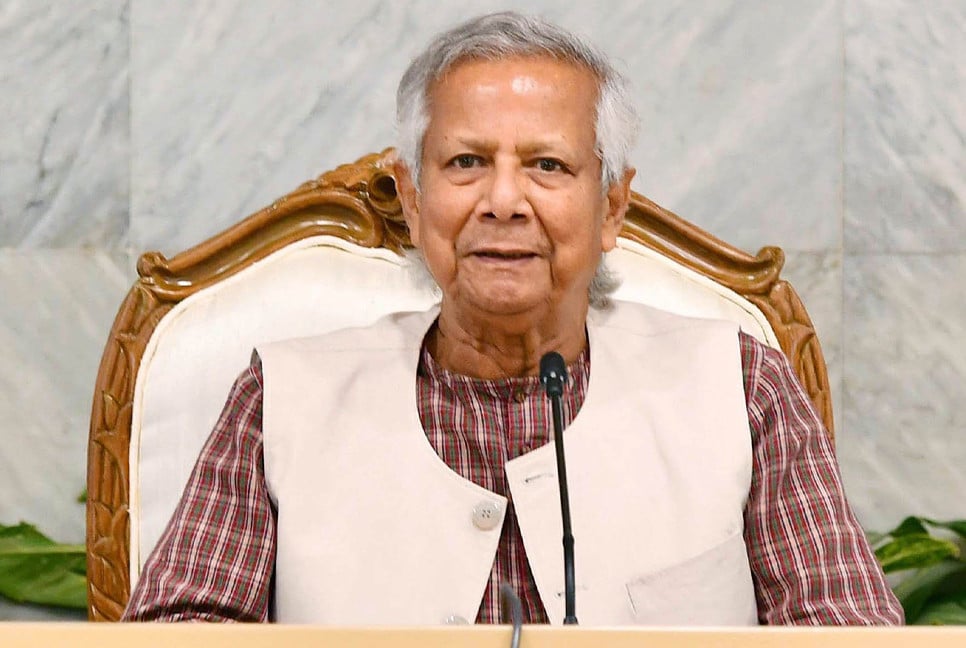
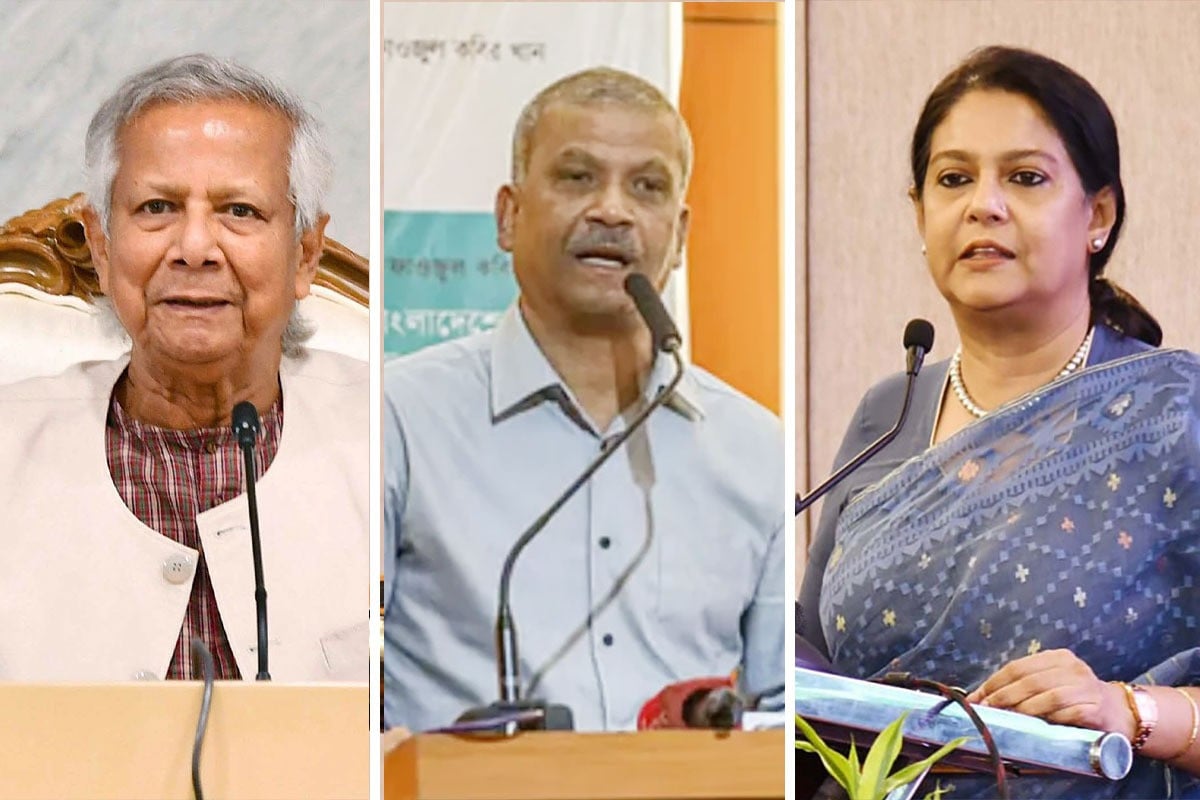
Meanwhile, political parties are concerned that the elections will be delayed if the reforms are delayed. This is because the five reform commissions have made several recommendations in their reports as urgent actions, which the commissions have opined need to be implemented before the next elections. Political parties are worried in such a situation. On Wednesday, BNP held a meeting with Chief Advisor Dr. Muhammad Yunus and demanded that the elections be held by December. After the meeting, the party's Secretary General Mirza Fakhrul Islam Alamgir told the reporters, "We are not satisfied at all (with the meeting). The Chief Advisor did not give us any specific deadline (for the elections). He (the chief advisor) has said that the elections will be held between this December and June next year. We have made it clear that if the elections are not held by December, the political, economic and social situation in the country will worsen.”
The interim government formed six reform commissions in October last year and five in November to reform the state structure. The commissions were given three months to submit their reports. But the commissions failed to submit their reports within the stipulated time. Four of the commissions formed in the first phase submitted their reports on January 15 and two on February 5. The commissions made about 2,000 recommendations for reforms. Among them, the National Consensus Commission started working on February 15 to form a political consensus on the important 166 recommendations of the reform commission on the constitution, public administration, electoral system, judiciary and anti-corruption commission. The recommendations were sent to the parties in the form of spreadsheets. Although two months have passed, there has been little progress.
On March 27, the Revolutionary Workers' Party submitted its party opinion on the reforms to the commission. Out of the 166 proposals, the party agreed with 122, partially agreed with 21 and could not agree with 23. In a letter to the commission, party general secretary Saiful Hoq mentioned that the way the answers were sought in the spreadsheet has created confusion. The way the opinions on important issues have been asked has made it difficult to express the real position of the political parties in many cases.
He told The Bangladesh Pratidin, “We expressed our opinions on March 27. We have got time for discussions on April 29. If we proceed at such a slow pace, it does not seem that the commission will be able to come to a final decision on the reforms within the term. As a result, there is enough reason to be concerned about the timing of the national elections.”
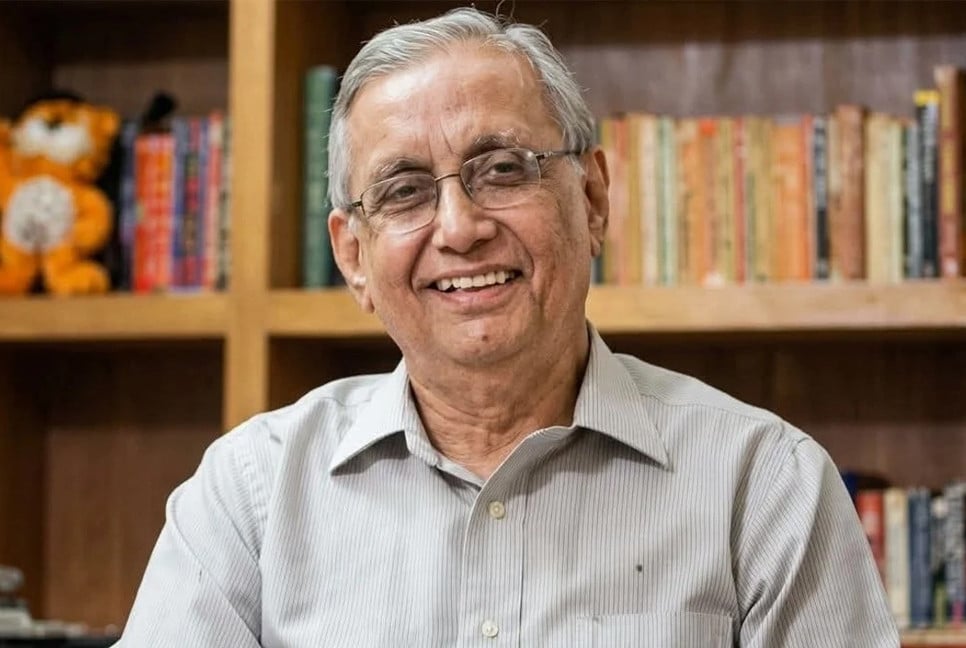
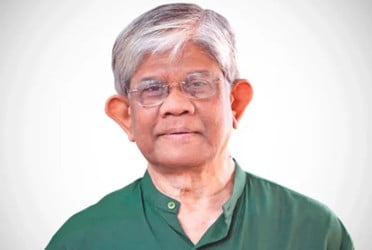
In this regard, National Consensus Commission vice president Professor Ali Riaz said, “The term of this commission is until mid-July. We hope to be able to complete the initial discussions by mid-May. After that, we will move on to the next stage. However, there is no need to bring reforms and elections face to face. I do not see any reason to postpone the elections in the name of reforms so far. The election process is different. There is no conflict between reforms and this process.”
(Translated by Lutful Hoque)