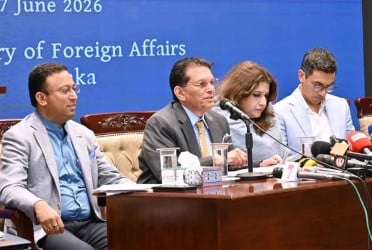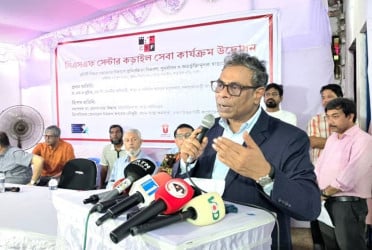
A delegation from several organizations, led by the Bangladesh Chamber of Industries (BCI), met with Bangladesh Bank Governor Dr Ahsan H Mansur on January 12. The delegation, headed by BCI President Anwar-Ul-Alam Chowdhury (Parvez), presented nine points to address the existing challenges faced by businessmen. On that day, Parvez said that instead of going to jail for doing business, they want to exit from business with dignity.
While local investors are expressing their desire to leave the business with honour, within just three months, a four-day investment summit was held in Dhaka. A total of 308 entrepreneurs and investors from 42 countries participated at the summit. World-famous companies like Alibaba and Samsung also participated in the event. The low-cost summit was organized to attract foreign investment in Bangladesh. All patriot citizens hope that foreign investment will create new employment opportunities and help to build a prosperous nation. However, while open invitations were extended to foreign investors, it remained unclear whether local investors were granted the same access. Hundreds of local investors have built industries and businesses in the country through their hard work, sweat, intellect, and money. Local businesspersons and industrialists have laid the foundation of the foreign investment environment. Yet, in the past eight months, the government hasn't even felt the need to invite local investors for a cup of tea. If Bangladesh Investment Development Authority (BIDA) Executive Chairman Chowdhury Ashik Mahmud Bin Harun-who is known for his modern and visionary approach sat down for tea with local investors before inviting foreigners, it could have paved the way for a more vibrant national economy. Local businessmen would not seek an honourable way out of business. They would have the courage to invest more. Businessmen would regain the morale to do business with respect. For this reason, it is crucial to urgently organize a ‘domestic investment summit’ to ensure the safety of local businessmen. If BIDA can create a harmonious relationship between local and foreign investors and ensure equal opportunity for all, only then it is possible to take the country to the vision of 2035. If not, the country's economy will not be dynamic and stable depending only on foreign investment.
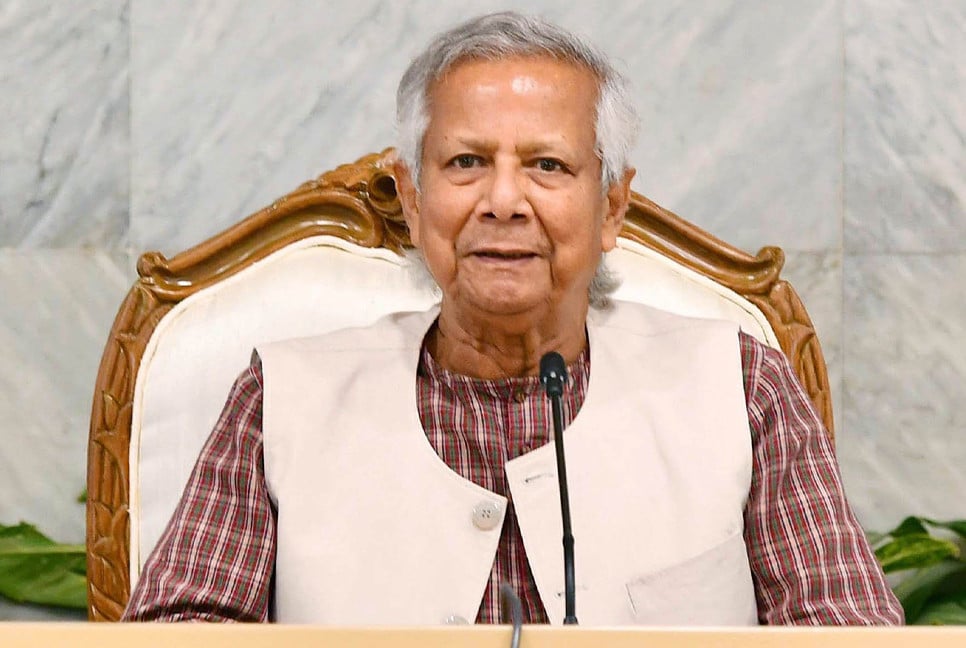
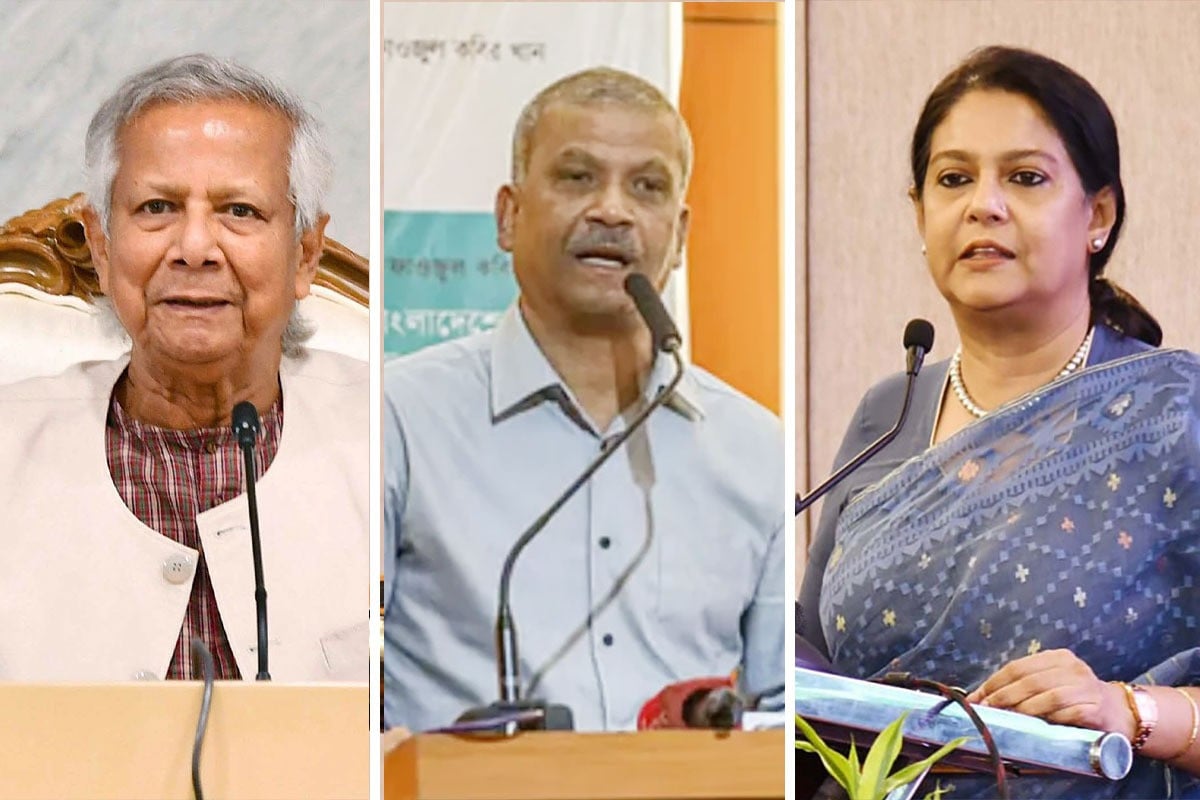
BIDA organised the four-day investment summit in Dhaka from April 7 to 10. It was described as the most impressive and appealing investment summit in the country's history. Interim government Chief Advisor Dr Muhammad Yunus charmed both local and foreign guests with his emotional speech, expressing heartfelt love for the country and its people. The audience responded to the Chief Advisor with enthusiastic applause. BIDA Executive Chairman Chowdhury Ashik Mahmud Bin Harun also mesmerized the audience with his presentation. He portrayed Bangladesh’s future on the global stage with awesome skill. Chowdhury Ashik outlined what Bangladesh could look like by 2035 by staying on the investment summit stage of 2025. Visionary Ashik Mahmud left the luxurious life and came to the country at the call of Muhammad Yunus. He is working hard to build the dream Bangladesh of the Chief Advisor.
Despite the success, several negative aspects of the investment environment in Bangladesh were highlighted at the summit. These include delays in obtaining investment certificates, non-cooperation from the NBR in import-export processes, bureaucratic complications, resource limitations, and corruption. Another major concern is the lack of policy continuity. The government at the summit has pledged to address these issues.
While the summit has been praised, it has also drawn criticism and disappointment. Amar Bangladesh Party (AB Party) thinks that if the summit fails to achieve its investment goals, it would be unfortunate. At a press conference on April 13, AB Party Chairman Mojibur Rahman Monju expressed concerns that relying on misleading data from the previous regime to graduate from the LDC list by November 2026 could cripple the economy. He also expressed fear that Bangladesh will not get the benefits of the investment summit, if it does not move away from the plan to become a middle-income country. Without addressing this, Bangladesh could lose its competitiveness and scope for investment in South Asia, he warned. Mojibur Rahman Monju further emphasized that for the sake of transparency in the economy and trade, relevant statistics must be published for local and foreign investors. These statistics include figures on total population (including expatriates and youth), GDP, per capita income, life expectancy, annual growth rate, people living under the poverty levels, education and skill rates, domestic market size based on purchase power, foreign reserves and debt, and global credit ratings. Investors would make the right and effective decisions after analyzing these statistics. He also emphasized the need for a practical roadmap to overcome challenges related to domestic market capacity, export opportunities, infrastructure facilities, tax and VAT competitiveness, energy security, protection of local investors’ interest, bank loans, and dollar reserves.
At the post-summit press conference, BIDA Executive Chairman Chowdhury Ashik Mahmud Bin Harun said that Bangladesh got investment proposals worth Tk 3,100 crore at the summit. The total cost of the four-day ‘Bangladesh Investment Summit’ was Tk 5 crore. The government spent around Tk1.5 crore, while partners contributed the remaining Tk 3.5 crore. It was also decided that eight government organisations involved in investment will now operate under a single umbrella.
According to the latest report by the International Finance Corporation (IFC), foreign investment in Bangladesh stood at only 0.4 percent of the country’s GDP in 2023. This rate of foreign investment falls far short of expectations based on Bangladesh’s economic potential. Bangladesh is not doing well at all as a destination for foreign investment. According to the World Bank’s latest report, Bangladesh got a foreign investment of less than 1.5 percent of GDP, while the Maldives got 12 percent and crisis-hit Sri Lanka got more than 20 percent of GDP. A Bangladesh Bank report showed a 16 percent decline in foreign investment from $3.48 billion in 2022 to $3.0 billion in 2023. The report of 2024 will be published in June next.
After the Liberation War, war-torn Bangladesh’s infrastructure was in ruins. The factories were all burnt down. The people of newly independent Bangladesh were suffering as the roads and bridges collapsed. There were no prominent businessmen or industrialists in East Pakistan. But in the past 54 years, thousands of industries have been built, and hundreds of business families have emerged in place of 22 families. Through the relentless efforts of private investors and businesspersons, jobs were created, and a skilled workforce was developed. Half of the small and large industries that exist at the private level across the country are not even listed in the government register. Many small and medium industries in areas like Old Dhaka’s Dholai Par, Keraniganj, and Jinjira, have grown independently and are not even on the government’s list. Almost every product is now produced in Bangladesh. During the summit, Dr Muhammad Yunus called upon foreign investors, saying, “Come not only to change your business or Bangladesh but to change the world.” The foundation of the investment environment on which he made that confident appeal was built by local businessmen and industrialists. The way to attract foreign investment will not be smooth leaving domestic investors in disappointment. That is why a ‘domestic investment summit’ is urgently needed. Listening to the problems of local businesses under one roof and resolving them is vital to vibrant the economy. Otherwise, only inviting foreign investors will deepen disappointment and Dr Yunus’ image will be questioned.
* Writer: Executive Editor, Bangladesh Pratidin. He can be reached at [email protected]