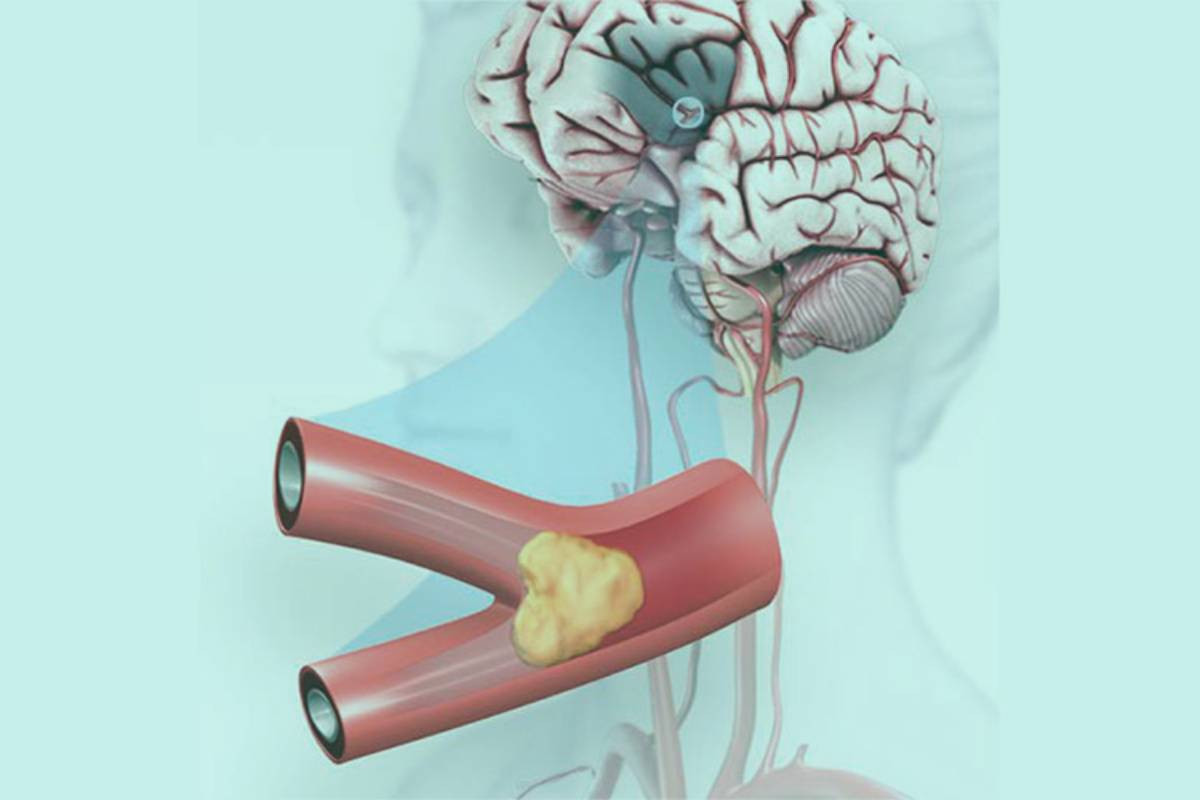
Nearly 80 percent of strokes are preventable through lifestyle modifications such as controlling blood pressure, quitting smoking, eating healthily, and staying physically active, experts said Sunday.
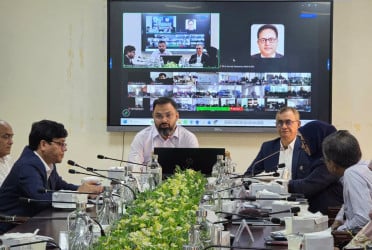
They made the remarks at the International Stroke Conference 2025 held at Bangladesh Medical University (BMU), which marked a milestone in promoting stroke awareness, prevention, and treatment.
Speakers urged for community-level interventions and called for integrating stroke education into schools, workplaces, and even urban planning. They said the conference, themed “Transformation of Acute Stroke Care and Development of Next Generation Neurointervention Services in BMU,” showcased cutting-edge innovations in emergency stroke care and neurointervention technologies.
Experts noted that stroke remains one of the leading causes of death and disability in Bangladesh, despite being largely preventable. Public knowledge about stroke symptoms, they said, remains dangerously low, causing delays in treatment and unnecessary deaths.
Recognising early warning signs—such as face drooping, arm weakness, and speech difficulties—can help save both life and brain, they emphasised.
Organised by BMU’s Department of Neurology, the event was held at Shaheed Dr. Milon Hall. BMU Vice-Chancellor Prof. Dr. Md. Shahinul Alam attended as chief guest, while Pro-Vice Chancellor (Administration) Prof. Dr. Md. Abul Kalam Azad presided over the session.
Prof. Shahinul Alam said the conference would open “a new horizon in stroke management” in Bangladesh. “With the support of foreign experts, BMU aims to establish state-of-the-art stroke treatment facilities nationwide,” he added.
Other speakers highlighted the importance of multidisciplinary collaboration, data sharing, and aligning national stroke management guidelines with international standards.
They concluded that sustainable progress in stroke prevention and care is only possible through global cooperation and public engagement.
Bd-pratidin English/ Jisan