Cholesterol has long been portrayed as the prime villain behind heart disease.
However, an Indian cardiologist, Dr. Alok Chopra, in a YouTube video, debunked the biggest myth about cholesterol being identified as the main cause behind heart disease.
Dr. Chopra, who has been Founder-Director and Consultant Cardiologist at Delhi’s prestigious Aashlok Hospital since 1985, unpacks the role of big pharmaceutical companies, as well as food and lifestyle choices that impact cholesterol levels and heart health.
Cholesterol wrongfully dubbed as a disease
Being asked, “What is the biggest myth about cholesterol, or bad fats that you want people that they should stop believing?” the cardiologist explained how cholesterol has been dubbed as a “disease” in modern healthcare, attributing the hoax to big pharmaceutical companies who want people to remain sick.
“Who created that disease? Big pharmas. They wanted you to remain sick," said Dr. Chopra and added, “If you remain sick, you'll get more medicines. More medicines means they'll make more money.”
He further explains that 85% of cholesterol is made in the body itself, and hence cannot be inherently bad. He mentioned that cholesterol performs 10 major jobs in the body, including creating the rigidness of arteries and reducing inflammation when a person gets sick. Far from being harmful, it acts as a protective mechanism.
The real culprit: Wrong food choices
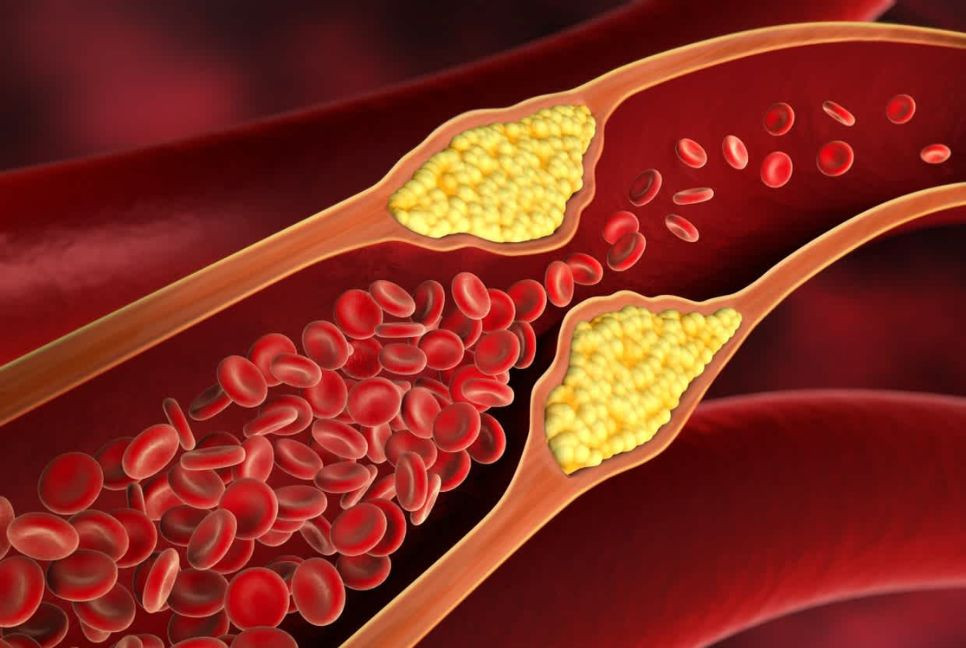
According to Dr. Chopra, the main reason behind heart problems is poor food and lifestyle choices. The doctor primarily links cholesterol issues to eating “the wrong foods” which cause bodily inflammation, leading to plaques in the arteries that the cholesterol tries to cover up like a band-aid. Repeatedly “eating nonsense” leads to more arterial plugs where the cholesterol begins to accumulate and ultimately the artery gets clogged. The end result is heart disease or even death.
Food recommendations
"Try and have two meals a day. The big meal in the morning, which is your brunch, and one meal in the evening,” said the cardiologist. He recommended including eggs and green leafy vegetables in the first meal of the day.
“During the day, if you feel hungry, have some nuts, have a salad, have some soup, nothing else,” he advised.
He warned against consuming anything super heavy in between meals. The first meal of the day should be the heaviest and the second meal should consist of similar items, but in a smaller quantity.
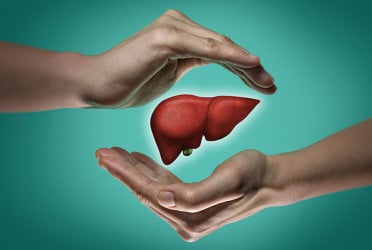
He also added that fruits should be consumed after meals since “fructose is not, as I said, metabolizable. It'll go to the liver. So taking fruit on an empty stomach is not a perfect idea.”
The key takeaways from the doctor’s interview can be summed up as: “Having two hours before sleeping and eating the right foods with more vegetables, more grains, much lesser non-veg foods and living by the body clock, that's good enough.”
Source: Hindustan Times
Bd-pratidin English/FNC