Hormone therapy can offer significant relief from menopause symptoms like hot flashes, night sweats, and sleep issues. But doctors urge women to weigh the benefits and risks before starting treatment, reports AP.
The issue gained renewed attention during a recent U.S. Food and Drug Administration (FDA) panel review, where experts debated whether black box warnings on hormone medications should be updated.
Hormone therapy was widely used until 2002, when a major federal study linked certain treatments to higher risks of breast cancer and blood clots. Since then, newer research suggests modern therapies are safer and may be appropriate for many women, depending on age, health status, and timing.
“There is still a lot of confusion and a lot of fear,” said Grayson Leverenz, 50, of North Carolina. Initially hesitant to try hormones, she said the treatment helped her sleep, eased chronic pain, and reduced anxiety.
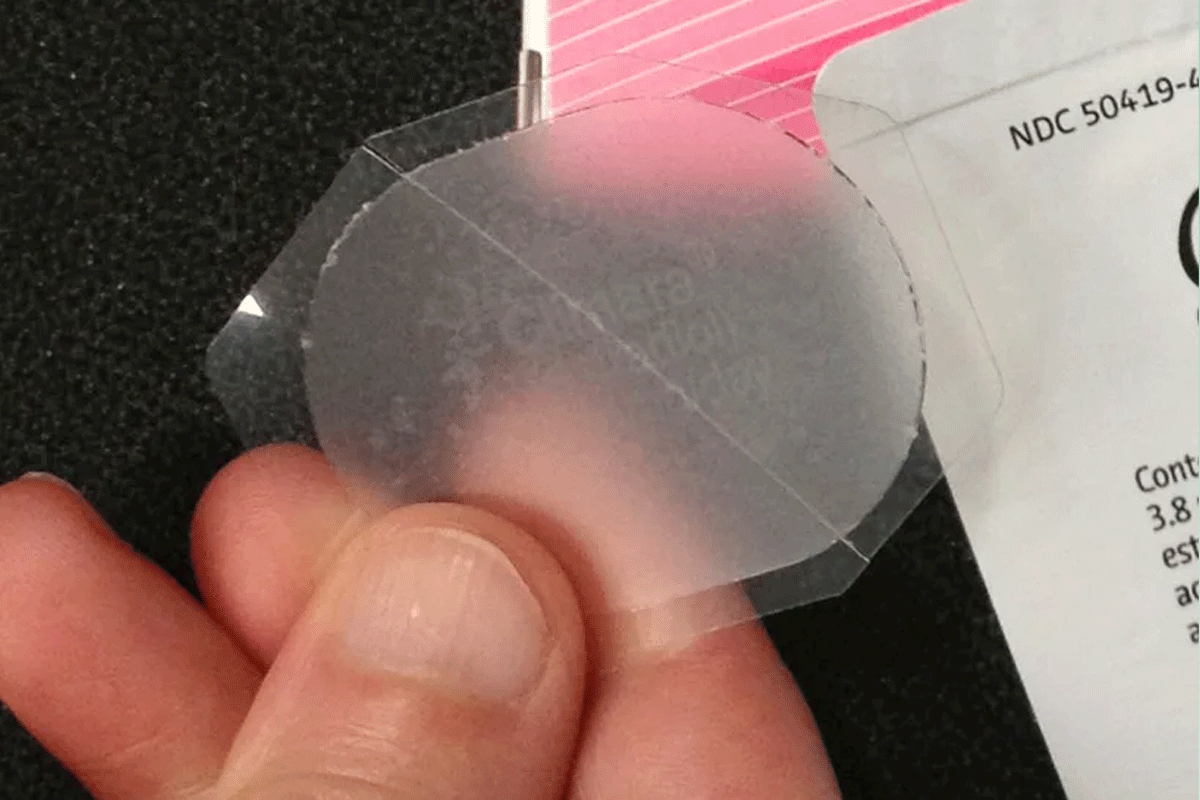
Systemic hormone therapy — available in pills, patches, gels, sprays, or vaginal rings — raises estrogen levels to ease widespread symptoms. Local, low-dose vaginal estrogen, used mainly for dryness, carries lower risks.
The Menopause Society notes that starting therapy within 10 years of menopause may also help protect heart health, preserve bone density, and lower diabetes risk.
Doctors stress that individual factors matter. Estrogen-only therapy can usually be used for up to seven years. Combined estrogen-progestogen therapy is often limited to three to five years due to increased breast cancer risk.
Both forms increase the risk of stroke, though this lessens after stopping treatment. Oral medications also raise the risk of blood clots, but transdermal options such as patches and gels may carry lower risk.
“A lot of these risks are small,” said Dr. Nanette Santoro of the University of Colorado. “They have to be weighed against the benefit of symptom relief.”
Currently, all estrogen drugs include black box warnings — the FDA’s strongest advisory — noting risks of stroke, blood clots, and cognitive effects. Some FDA panelists suggested loosening these warnings, but over 70 health experts have urged caution to avoid misleading patients.
Several alternatives are available. The newly approved drug fezolinetant (Veozah) treats hot flashes without hormones. Low-dose gabapentin, an anti-seizure drug, can also help. Vaginal moisturizers, exercise, and dietary changes may improve quality of life.
Doctors warn against over-the-counter supplements promoted as menopause cures. “If it looks too good to be true, it probably is,” said Santoro.
Hormone therapy can improve menopause symptoms for many women, but it’s important to make informed, individualized decisions with a healthcare provider.
Bd-pratidin English/ Jisan