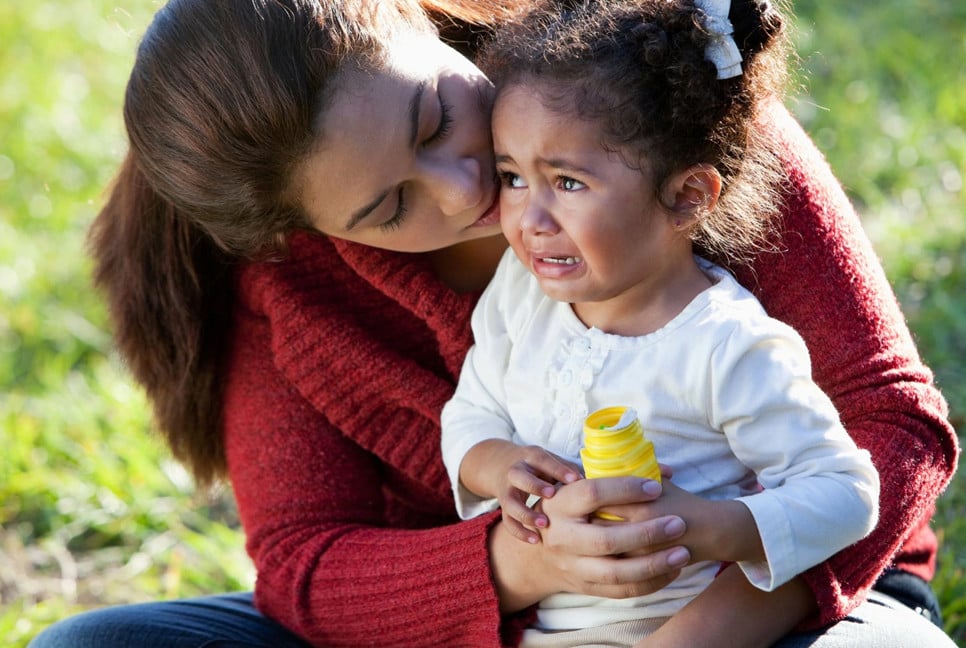
Anger is a natural emotion in children and an important part of their development. However, when it becomes difficult to handle, it can be stressful for both parents and children. Understanding the triggers behind a child’s anger and learning how to manage it effectively can make all the difference.
Here are five strategies that may help:
1. Don’t always give attention to tantrums
When your child gets angry, observe whether they are shouting or crying intentionally to get attention. If it’s a deliberate act, avoid reacting or indulging the behaviour. Often, without the attention they seek, they will calm down on their own.
2. Avoid places that trigger demands
Children are naturally inclined to make requests—whether for chocolates, toys, or other treats. As a parent, you know what your child is most likely to demand. Avoid taking them to places where they might be tempted and become stubborn if denied.
3. Don’t force them to stop crying
If your child is crying or shouting because they didn’t get what they wanted—especially in public or around relatives—don’t insist that they stop immediately. The more you pressure them, the more upset they may become. Instead, give them space. In most cases, they will settle down on their own after a while.
4. Set goals before fulfilling requests
When children get everything they want instantly, they may develop unrealistic expectations. To prevent this, set small, achievable goals before giving in to a request. Once they meet the conditions you’ve set, reward them accordingly. This not only teaches patience but also helps them understand the value of earning something.
5. Encourage interaction with others
Keeping children engaged in activities such as drawing, sports, or group play can help channel their energy positively. Many children today don’t get enough opportunities to socialise with peers. Allowing them to do so can boost their mental well-being and reduce frustration or anger.
By approaching a child’s anger with patience and consistent strategies, parents can help them build emotional control—an essential skill for their overall growth.
Courtesy: The Daily Sun
BP English/ARK