While Norway can be a tough country to adapt to, Norwegians are typically ranked among the happiest people in the world. Here are some local habits you should consider picking up right now.
Work-life balance
While many are drawn to the country for the wages (although a weak krone and stagnating salaries have eaten into this pull factor somewhat), what keeps many in Norway progressing their careers is the work-life balance.
The Norwegian working model can be best characterised by generous paid leave, flexible working hours and flat corporate structures where everyone is able to give input.
Managers, generally, are nearly as interested in the type of person they are employing and working with as the results they are expected to deliver.
Employers can’t force you to enjoy the work-life balance on offer, though, so you’ll need to make sure you do as the locals do and ensure you have sufficient downtime where you don’t think about work and make time for the things you enjoy outside of your job.
The reasoning behind the emphasis on work-life balance is the belief that a good balance ensures that workers remain productive and don’t “hit the wall”.
Staying active
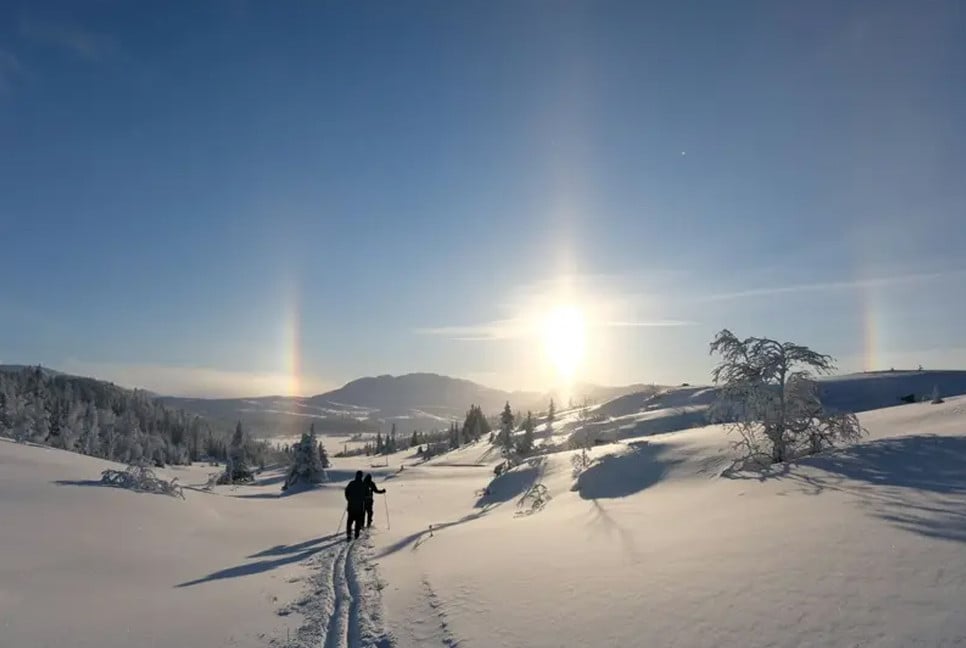
Norwegians keep themselves active through all weather and seasons, perhaps thanks to the work-life balance we mentioned.
There are plenty of benefits to staying active besides not having to worry about work emails for a few hours.
For starters, regular exercise can improve your mood, ease chronic conditions, improve brain function, increase sleep quality and boost your energy levels overall.
Therefore, you should definitely find something that works for you and try and stick to it. You also don’t need to start with tackling mammoth cross-country ski trips or scrambling up jagged peaks either; anything from a daily 30-minute walk to interval training will do the trick.
Function over fashion
Anyone whose spent the colder months of the year in Norway should already have picked this habit up, but for the majority of Norwegians, the materials used in a piece of clothing and whether it is wind and waterproof is more important than the branding.
If you live in certain parts of the country, like Bergen or Ålesund, trying to avoid bad weather will be futile, so you might as well stay warm and dry.
Learning how to dress all over again will also be important to this approach, the number one tip is to try and layer as much as possible.
Luckily for those who are more fashion-conscious, Scandinavian style and wearing more outsoory clothes in urban areas (a trend called gorpcore, apparently) are both in at the moment..
Social meals
Whether it’s grilling pølser round a fire on a cross-country trip or taco-fredag, meals with a social element are popular in Norway – despite the chilly reputation of locals.
Given that the winter months of the year can feel especially lonely, inviting people around for some food can be a great way to keep in contact with old friends or forge connections with new ones.
Hosting a dinner party is stressful, which is why Norwegians might be ahead of the curve with their love of simple tex-mex and hotdogs. These dishes require minimal skill and faffing about, and are guaranteed to be popular with most diners.
Sleeping with two duvets
Most people who travel to Scandinavia for the first time are shocked to find two duvets on beds.
This isn’t just for decoration, instead its called the “Scandinavian Sleep Method” by experts.
Essentially, two separate duvets mean less sleep disruption and better temperature regulation. This allows a better night’s sleep overall, which means a stronger immune system, improved heart health and metabolism, and reduced overall stress.
With such massive gains to be made, there’s little argument against making the switch to two duvets.
Source: thelocal.no
Bd-pratidin English/Lutful Hoque