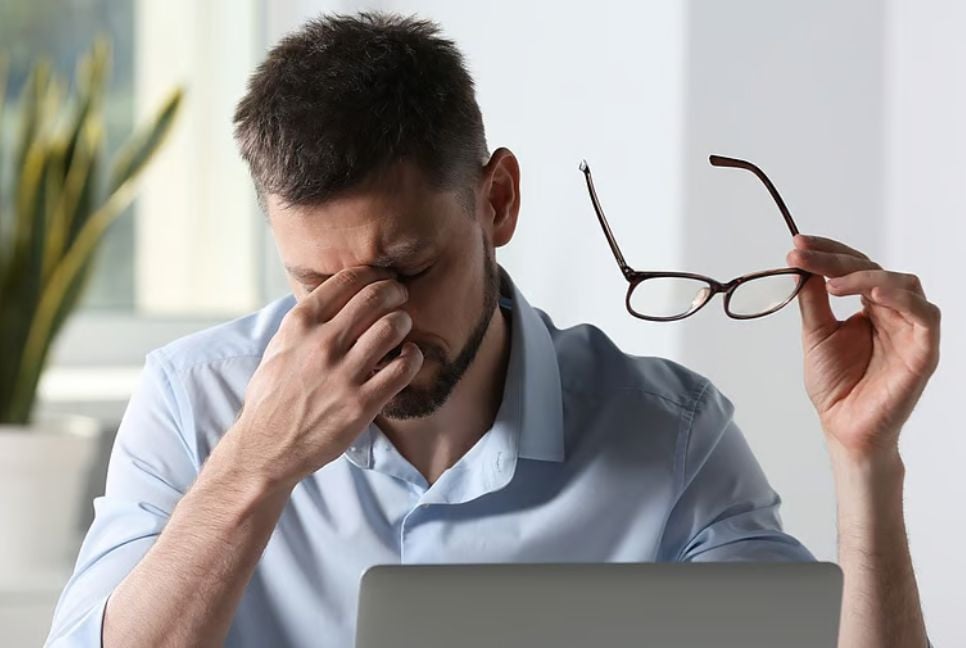
Your eyeglass prescription isn't fixed forever — it can change gradually, often without you noticing. Discomfort such as eye strain, headaches, or blurred vision may be dismissed as effects of screen fatigue, stress, or a long day, rather than signs of changing vision.
However, these symptoms can also indicate it's time for an updated prescription.
Highlighting this often-overlooked issue, Dr Mahesh Narayan Mathur, an Indian ophthalmologist, told Hindustan Times about key warning signs that suggest your glasses may no longer be meeting your current vision needs.
Dr Mahesh Narayan Mathur explained that changes in eye power often result from the progression of refractive errors. In cases of nearsightedness (myopia), this can occur when the eyeball becomes longer or the cornea curves too much, causing light to focus in front of the retina and leading to blurred vision. While such changes commonly develop during childhood and adolescence, adults are also at risk—especially those who spend long hours on screens or engage in other prolonged near-vision tasks.
It shows the importance of regular eye checkups, as if left unchecked, myopia can progress and cause even more frequent prescription changes.
Further, Dr Mahesh elaborated about farsightedness, adding, "For farsighted individuals (hyperopes, a condition where light rays focus behind the retina, causing blurred vision), the eye's lens stiffens with age (presbyopia), making near focus difficult, or the eye length might shorten. All these conditions require corrective lenses or contact lenses.”
Signs your eye power has increased
Vision changes can happen slowly and subtly. It is important to recognise the warning signs so that you can get your eyes checked up on time. Dr Mahesh Narayan Mathur shared six signs that indicate a change in eye power:
• Blurry vision at varying distances
• Frequent headaches
• General eye strain and fatigue, especially after activities like reading or using screens
• Squinting more to see clearly
• Experiencing difficulty with night driving, such as increased glare or halos around lights
• For those experiencing presbyopia, a classic sign is needing to hold reading material further away to see it clearly
Why are regular eye tests important?
Regular eye check-ups can reveal more than just changes in vision—they often provide early signs of serious health issues.
Dr Mathur noted that conditions like glaucoma, cataracts, and diabetic retinopathy often show no early symptoms but can be detected through routine exams. He emphasised that the eyes can also reflect broader health problems, including high blood pressure, diabetes, and neurological disorders.
For those with existing health conditions, regular eye exams are especially important to monitor progression and prevent complications.
Courtesy: Hindustan Times
Bd-pratidin English/FNC