From business deals to anniversary dinners, the UAE's fine dining sector is evolving beyond luxury — it's becoming a key cultural and economic force.
At Zenon, a restaurant inside Kempinski Central in Downtown Dubai, marble statues, LED art walls, and Mediterranean-Asian fusion cuisine set the stage for an immersive dining experience.
“The UAE, and Dubai in particular, drew me in because it sits at the crossroads of global culture,” said Lorenzo Buccarini, executive chef at Zenon. “It’s a city of ambition and experimentation.”
The restaurant takes its inspiration from Greek mythology and global cuisine, blending Mediterranean traditions with Asian influences. The menu is a blend of Olympus and Tokyo, featuring dishes such as toro carpaccio with truffle soy, fire-aged wagyu, and scallops glazed in yuzu pepper and garlic butter.
Zenon reflects a broader trend: restaurants that blend theatre, technique, and emotion are now strategic investments. The UAE’s fine dining market is valued at $1.5 billion and growing 15 percent annually, according to Aviaan Advisory. Culinary tourism is gaining policy support, aided by initiatives like the Dubai 2040 Master Plan.
“The UAE is now highly competitive,” said Vineeta Srivastava, director at Aviaan. “Labour costs are lower than London... while consumer spend per diner is comparable or higher in premium tiers.”
She adds that many ultra-wealthy investors from India, Russia, and the Gulf are directly involved in concept development, making restaurants part of broader lifestyle portfolios.
What makes a concept investment-ready? According to Srivastava: a credible chef, a strong narrative, and regional scalability. Locations like DIFC and Palm Jumeirah remain prime, but operational sustainability and sourcing practices now carry significant weight.
Buccarini emphasizes structure and storytelling: “Beyond operations, we’ve defined a strong brand narrative, something that can translate across cities and cultures.”
This investor appetite is visible in the rapid expansion of brands like 3Fils and Reif Japanese Kushiyaki. The UAE is expected to welcome 50–70 new fine dining restaurants by year-end, with 60 percent being international names. As Srivastava puts it: “The strongest concepts balance experience with volume and premium pricing.”
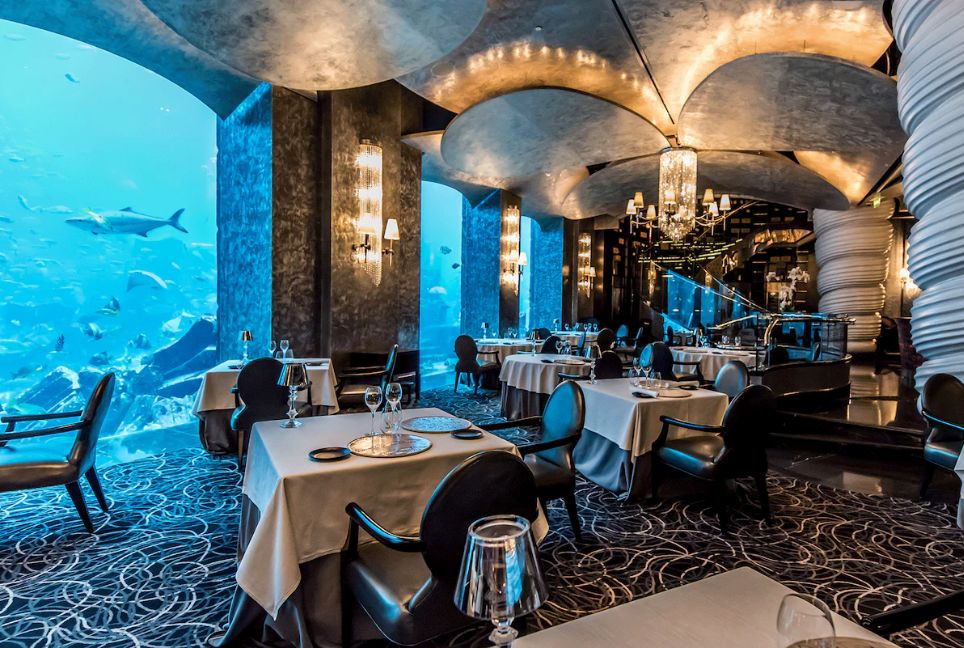
Swedish chef Björn Frantzén’s UAE debut at Atlantis The Palm brought this vision to life. His twin concepts — Studio Frantzén and the Michelin three-star FZN — reflect Nordic-Japanese precision and immersive storytelling.
“Dubai has evolved into one of the world’s most dynamic culinary destinations,” Frantzén told KT LUXE. “The region attracts a global, well-travelled audience that appreciates craftsmanship and innovation.”
WTFI, a global tourism think tank, describes fine dining as a “core driver of visitor engagement,” on par with shopping and events. Prestigious awards and food festivals have further cemented the UAE’s culinary status.
Restaurants also offer faster returns. Aviaan estimates a 15–25% internal rate of return over 4–5 years. Compared to retail or real estate, restaurants generate quicker cash flow and carry fewer inventory risks. Premium culinary tourists also spend 38% more than average visitors.
Local sourcing is catching up too. Dibba Bay Oysters, based in Fujairah, now supplies over half of the UAE’s oyster market — a sign of shifting supply chain priorities toward freshness and traceability.
Yet challenges remain: talent shortages, volatile import costs, and regulatory hurdles. “Logistics and sourcing are major challenges,” Buccarini admitted. “But, with the right partnerships and planning, these challenges become opportunities for innovation.”
Looking ahead, the sector is moving toward private dining, AI-powered bookings, and zero-waste kitchens. “Over the next five years, we’ll see a deeper culinary identity emerge in the UAE,” Buccarini predicted. “Less mimicry of European trends, more expression rooted in regional terroir, traditions, and storytelling.”
As Frantzén noted, growth must be strategic. “We won’t expand for the sake of it… If we find the right opportunity that aligns with our philosophy, we’re absolutely open to further development in the Middle East.”
Buccarini summed up the sector’s evolving vision: “Investment will continue to flow, but it will favour brands that offer depth, not just dazzle. Success is multi-dimensional… the real sign we’re doing something right is repeat guests — those who bring friends, celebrate anniversaries, or trust us with their milestones.”
Courtesy: Khaleej Times
Bd-pratidin English/FNC