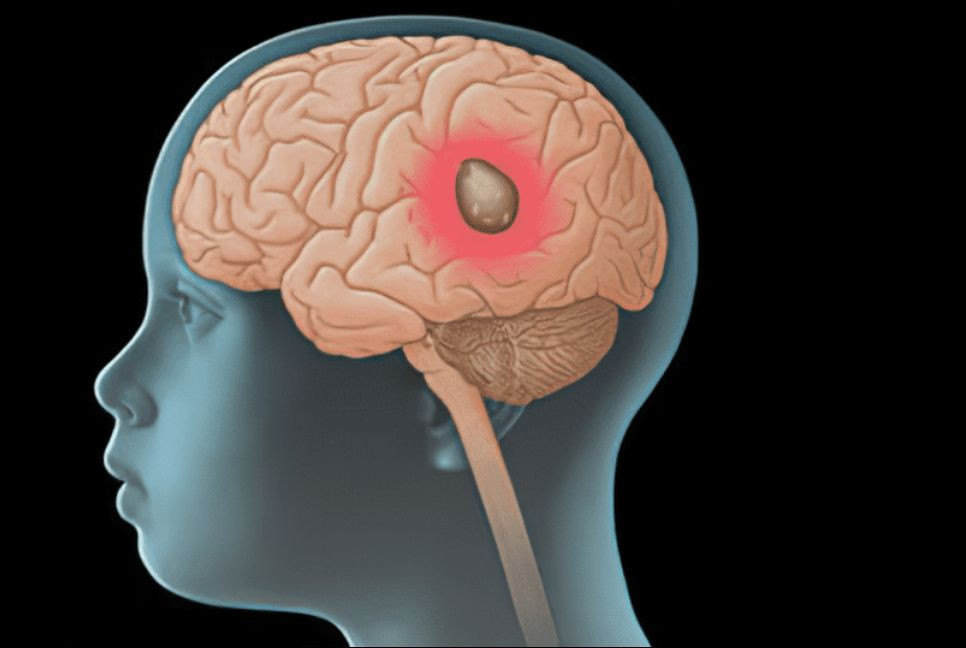
Children can develop brain tumours at any age, and early detection is critical to preventing severe complications or death, say experts.
While not all brain tumours are cancerous, they tend to be more dangerous in extreme age groups—particularly infants and young children—due to their higher likelihood of being malignant.
“Every human being can have a tumour at any stage of life, and children are not spared,” said Dr Rahul Gupta, Head of Neuro and Spine Surgery at Fortis Hospital, Noida. “In children, these tumours often occur within the brain tissue, increasing the risk of cancer.”
The early symptoms of brain tumours in children may include persistent headaches, vomiting, unusual head growth in infants, seizures, irritability, loss of appetite, and weight loss. In some cases, vision problems, double vision, and a downward fixed gaze—also known as the “sun setting sign”—can appear. Motor impairments like limb weakness or facial asymmetry may also develop.
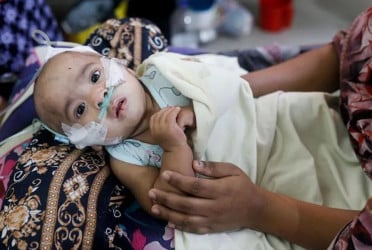
“Infants often show signs of hydrocephalus, a condition caused by fluid buildup in the brain, leading to rapid head enlargement,” Dr Gupta explained. “If left untreated, these signs can escalate to coma or even death.”
Diagnosis typically begins with ultrasound scans in infants, which can even detect abnormalities before birth. The most accurate tool is an MRI, but sedation is often required to keep young patients still during the scan. CT scans are used in emergencies to detect signs of intracranial pressure. Additional blood tests and imaging are conducted to check the child’s overall health.
Surgery remains the primary treatment for most paediatric brain tumours. It not only reduces pressure in the brain but also allows for a tissue diagnosis. Some children may require a ventriculoperitoneal (VP) shunt to drain excess fluid from the brain. In cases of malignant tumours, radiotherapy and chemotherapy may follow. In high-risk surgical cases, radiotherapy may be used as a standalone treatment.
“Paediatric brain surgery is extremely complex and demands expert anaesthesia and intensive post-operative care,” Dr Gupta said.
Although cancerous brain tumours can severely affect quality of life, children with benign tumours can live long, healthy lives if treated properly.
Dr Gupta advised parents to act at the earliest sign of symptoms. “MRI or CT scans should be done at the slightest suspicion. Timely intervention is crucial. Emotional strength and prompt medical attention can make all the difference,” he added.
Source: Hindustan Times
Bd-pratidin English/FNC