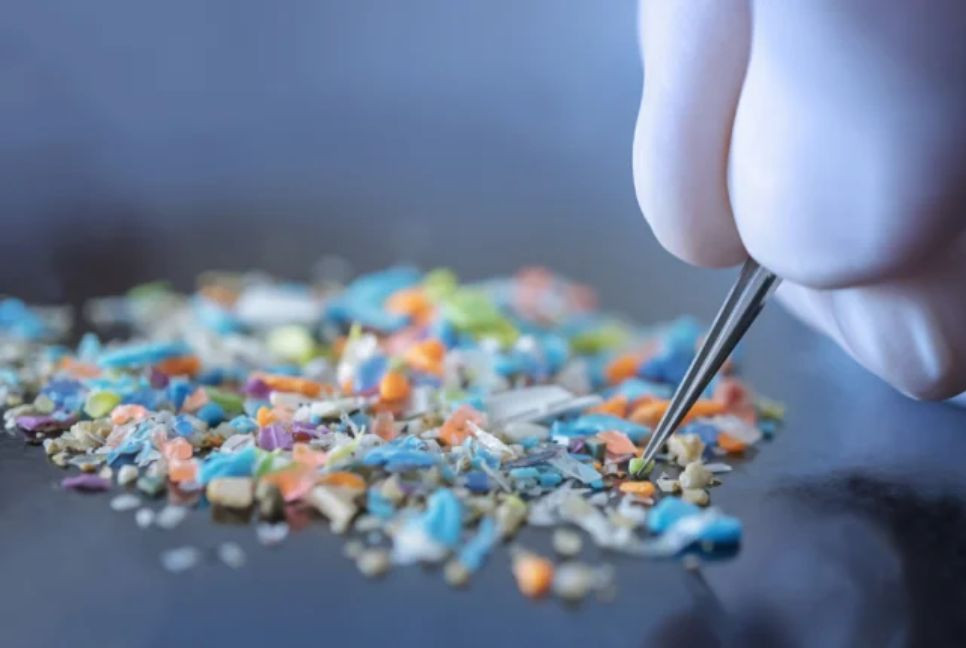
On World Environment Day 2025, the theme “Beat Plastic Pollution” draws attention to a growing threat — microplastics in our food. These tiny plastic particles, smaller than 5mm, have made their way into our diets and are now linked to serious health problems.
What are microplastics?
Microplastics form when larger plastics break down over time. They’re durable, which means they linger in the environment and eventually end up in our food.
Indian physician Dr. Sharad Malhotra explained that these particles result from decomposed plastics and are found everywhere in nature. He said microplastics harm both wildlife and humans. They’ve even been detected in many types of food and can be inhaled.
How do microplastics enter our food?
Microplastics get into the food chain through several sources:
Seafood: Fish and marine life eat plastic debris, which then ends up on our plates.
Salt: Especially sea salt, which is exposed to polluted oceans.
Drinking water: Found in both bottled and tap water.
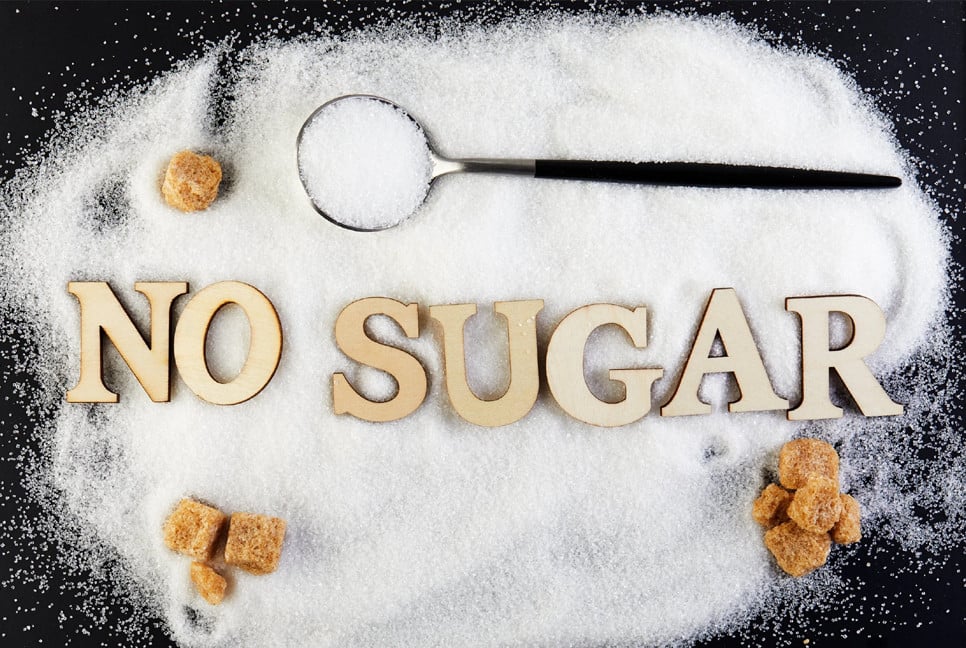
Honey & sugar: Studies show traces of plastics even in sweeteners.
Fruits & vegetables: Crops irrigated with contaminated water absorb microplastics.
Plastic packaging: Chemicals can leach into food during storage or heating.
Dr. Bir Singh Sehrawat from Marengo Asia Hospitals in India’s Faridabad said consuming microplastics through food, air, or water can cause them to accumulate in the digestive system. This can lead to gut inflammation, imbalance in gut bacteria (dysbiosis), and raise the chances of diseases like IBD and IBS.
He added that these particles can trigger inflammation throughout the body, possibly leading to chronic illnesses.
Health risks linked to microplastics
Hormonal disruption: Plastics contain chemicals like BPA and phthalates, which interfere with hormone production.
Immune system damage: Microplastics may cause oxidative stress and inflammation, weakening the immune system.
DNA damage: Long-term exposure may cause mutations, increasing the risk of cancer.
Dr. Mandeep Singh Malhotra, an Indian oncologist, warned that microplastics can damage DNA and disrupt the body’s hormone systems. He also said they create oxidative stress, which weakens immune function.
Indian Dietician Samiksha Kalra added that one study found microplastics in human blood; another discovered them in the placenta of unborn babies. People who frequently eat seafood or work in plastic-related industries are more at risk.
She said long-term exposure may lead to breathing problems, hormone imbalances, and even organ damage.
How to reduce exposure
To protect yourself from microplastics: Eat more fresh and unpackaged food. Use glass or stainless steel containers instead of plastic. Avoid microwaving food in plastic containers. Choose personal care items without microbeads.
Bd-pratidin English/FNC