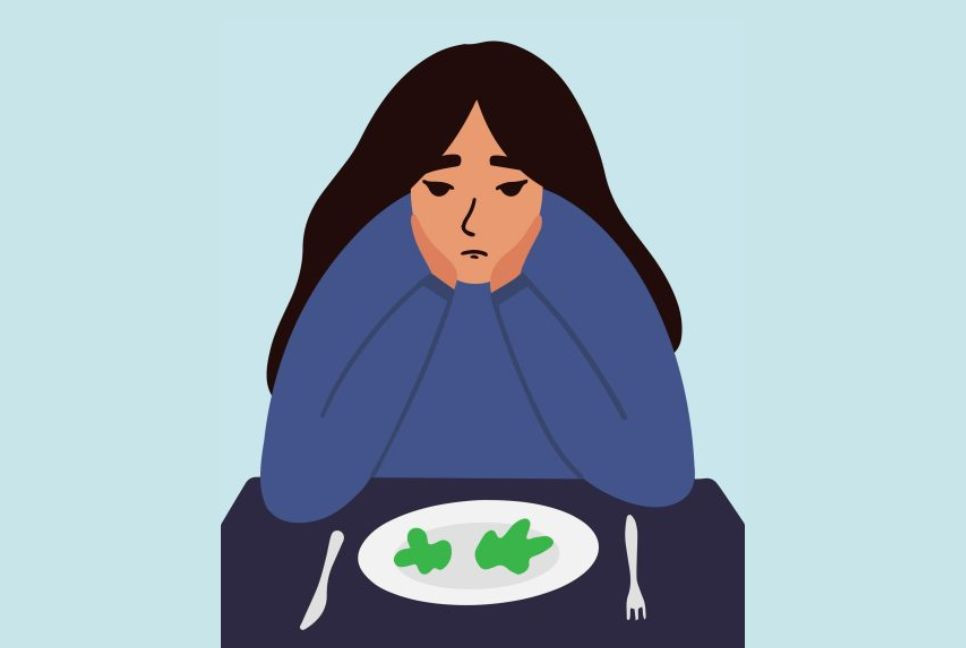
Social media can push vulnerable young people towards developing eating disorders by glorifying thinness and promoting fake, dangerous advice about diet and nutrition, experts warn.
Young women and girls are much more likely to suffer from illnesses such as anorexia, bulimia and binge eating disorder, though rates among men have been increasing, reports AFP.
The percentage of people worldwide who have experienced eating disorders nearly doubled from 3.5 percent in 2000 to 7.8 percent in 2018 — a period that overlaps with the rise of social media. Health professionals say platforms like TikTok and Instagram are now playing a major role in triggering, worsening, and prolonging these disorders.
"We no longer treat an eating disorder without also addressing social media use," said French dietitian and nutritionist Carole Copti. "It has become a trigger, definitely an accelerator and an obstacle to recovery."
Experts stress that eating disorders stem from a mix of psychological, genetic, environmental, and social factors. But social media is now seen as an added threat. "It is not the cause but the straw that may break the camel's back," said Nathalie Godart, a child and adolescent psychiatrist at France’s Student Health Foundation. By glamorizing thinness, extreme diets, and excessive exercise, social media weakens already vulnerable individuals and "amplifies the threat" to their health.
One alarming trend is #skinnytok on TikTok, which promotes harmful behaviors and guilt-inducing content that glorifies extreme calorie restriction. Nurse Charlyne Buigues, who specializes in eating disorders, warned that social media acts as a gateway where such disorders are "normalised." She condemned videos showing girls with anorexia displaying malnourished bodies or others demonstrating "purges."
"Taking laxatives or vomiting are presented as a perfectly legitimate way to lose weight, when actually they increase the risk of cardiac arrest," Buigues said.
Eating disorders can cause heart damage, infertility, and suicidal tendencies. Anorexia has the highest death rate among psychiatric illnesses. In France, such disorders are the second leading cause of premature death among 15- to 24-year-olds.
Social media also creates a "vicious cycle," Copti explained. "People suffering from eating disorders often have low self-esteem. But by exposing their thinness from having anorexia on social media, they gain followers, views, likes... and this will perpetuate their problems and prolong their denial."
Some influencers even profit from their illness. Buigues mentioned a young woman who livestreams herself vomiting on TikTok and said she uses the money earned to buy groceries.
Recovery becomes more difficult as patients trust influencers over professionals. "I have to constantly justify myself and fight to make them understand that no, it is not possible to have a healthy diet eating only 1,000 calories," Copti said. "The patients are completely indoctrinated — and my 45-minute weekly consultation is no match for spending hours every day on TikTok."
Godart warned of “pseudo-coaches” sharing “absurd” and often illegal advice. Buigues has even advised some patients to delete TikTok entirely. “It may seem radical but until young people are better informed, the app is too dangerous,” she said.
Bd-pratidin English/FNC