The White House has released a new report identifying key causes of chronic illness in children, with a strong focus on the health risks of ultraprocessed foods.
The report is aligned with the Make America Healthy Again (MAHA) movement, led by Health and Human Services Secretary Robert F. Kennedy Jr, reports AP.
The report highlights research showing that nearly 70 percent of children’s diets and 50 percent of pregnant and postpartum women’s diets in the U.S. consist of ultraprocessed foods, which are being linked to rising cases of obesity, type 2 diabetes, heart disease, and even cognitive decline in children.
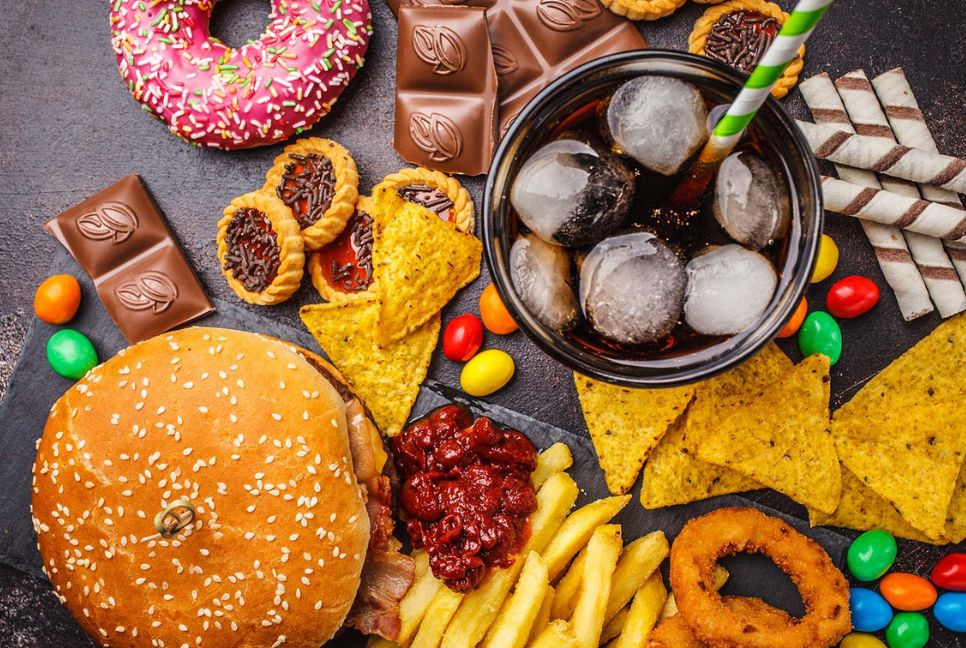
Ultraprocessed foods, according to the Nova Food Classification System, include items made with industrial ingredients rarely used in home kitchens—such as hydrogenated oils, artificial flavours, colour additives, and preservatives. Common examples are chips, sodas, candy bars, and frozen meals.
Paul Dawson, a food scientist at Clemson University, noted that concerns over processed foods began in the 1970s. “A growing body of research links ultraprocessed foods with many negative health outcomes,” he said, adding that their low nutritional value and presence of harmful compounds created during manufacturing make them risky.
Studies also suggest that these foods may contain harmful by-products like acrolein, a chemical formed when oils are overheated, which can damage DNA. Microparticles from packaging may also disrupt gut health. Despite limitations in nutrition studies, the consistent findings across populations strengthen concerns.
However, experts caution that not all ultraprocessed foods are harmful. Some, like sucromalt-based products for diabetes patients and hypoallergenic infant formula, serve essential roles.
While the MAHA report echoes the federal government’s 2020–2025 Dietary Guidelines in promoting nutrient-dense foods, it differs in explicitly addressing ultraprocessed foods—something the official guidelines omit, possibly due to food industry influence.
A follow-up strategy report is expected in August 2025. But with ultraprocessed foods playing a central role in U.S. agriculture and food policy, meaningful reform may face strong resistance from commercial interests.
Bd-pratidin English/FNC